
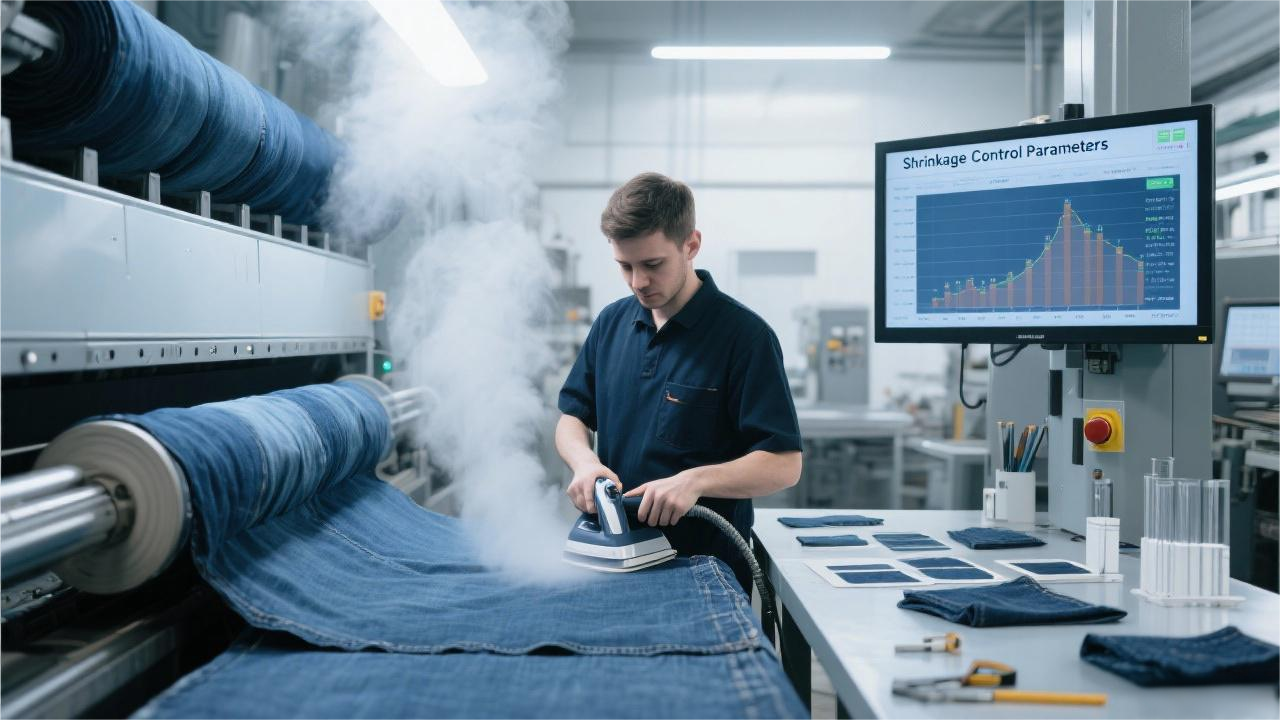
You control denim shrinkage during production by focusing on understanding denim and shrinkage and applying proven techniques. Manufacturers face real challenges when shrinkage affects product returns and customer satisfaction.
Shrinkage causes a loss of 1.82% in annual retail sales worldwide.
Increased product returns lower customer satisfaction rates.
You need to follow a Denim Shrinkage Control Guide and use actionable steps. Understanding denim and shrinkage helps you maintain product quality and protect your brand.
Key Takeaways
Understand the causes of denim shrinkage. Cotton fibers contract with heat and moisture, leading to shrinkage. Raw denim shrinks more than pre-shrunk denim.
Use sanforization and chemical treatments to stabilize denim. These techniques significantly reduce shrinkage, ensuring better fit and comfort for customers.
Always wash denim in cold water. Cold water preserves the original size and color of jeans, while hot water increases shrinkage and damages fabric integrity.
Air dry denim instead of using a machine. Air drying maintains the shape and prevents shrinkage, protecting the quality of your products.
Conduct shrinkage tests before production. Testing helps you predict shrinkage rates and adjust patterns accordingly, reducing returns and improving customer satisfaction.
Denim Shrinkage Control Guide
Causes of Shrinkage
You need to understand what causes denim to shrink before you can control it. The main reasons for shrinking jeans come from the properties of the fibers and the way denim is made. Cotton fibers play a big role in denim shrinkage. When you expose cotton to moisture, the fibers contract. Heat and moisture during washing and drying make cotton fibers lose their natural alignment, which leads to denim shrinkage. If you use unwashed or raw denim, you will notice more shrinkage compared to pre-shrunk denim. This happens because raw denim does not go through pre-shrinking treatments.
Heat and moisture during washing and drying cause cotton fibers to lose alignment.
Raw denim is more likely to shrink than pre-shrunk denim.
You must pay attention to these factors in your denim shrinkage control guide. If you ignore them, you will see more product returns and unhappy customers.
Production Factors
Production steps also affect denim shrinkage. You need to look at the construction of the fabric and the finishing processes. The way you weave denim can change how much it shrinks. Tighter weaves usually shrink less. The finishing stage is critical for denim shrinkage control guide. You can use different techniques to stabilize the fabric and prevent denim shrinking.
Technique | Description |
|---|---|
Sanforization | A process that stabilizes fabric dimensions, resulting in less than 1% shrinkage after washing. |
Chemical Treatments | Use of resins or chemicals to enhance shrinkage resistance, potentially affecting texture. |
Fabric Blends | Incorporating synthetic fibers like polyester to reduce shrinkage due to their lower contraction. |
Sanforization stands out as a reliable method. You use it to stabilize denim before cutting. This process reduces shrinkage to only 1-3%, while untreated denim can shrink up to 10%. When you use pre-shrinking treatments, you improve the long-term stability of your denim products. Your customers will notice better fit and comfort over time.
Prevent Shrinkage Strategies
You can prevent shrinkage by following proven strategies in your denim shrinkage control guide. Start by choosing the right fiber blends. If you add synthetic fibers like polyester, you reduce the risk of shrinkage. Use finishing techniques such as sanforization and chemical treatments to stabilize the fabric. Always test your denim before production to measure shrinkage rates.
Tip: You should always include a shrinkage allowance in your patterns. This step helps you maintain the correct fit after washing.
You need to monitor every stage of production. If you control moisture and heat during washing and drying, you can prevent denim shrinking. You should train your team to follow best practices and use the right equipment. When you focus on these strategies, you protect your brand and deliver high-quality products.
Controlling denim shrinkage is critical for manufacturers. You avoid costly returns and keep your customers satisfied. If you follow a denim shrinkage control guide, you maintain product quality and consistency. You also build trust with your buyers and stand out in the market.
Best Washing Techniques for Denim
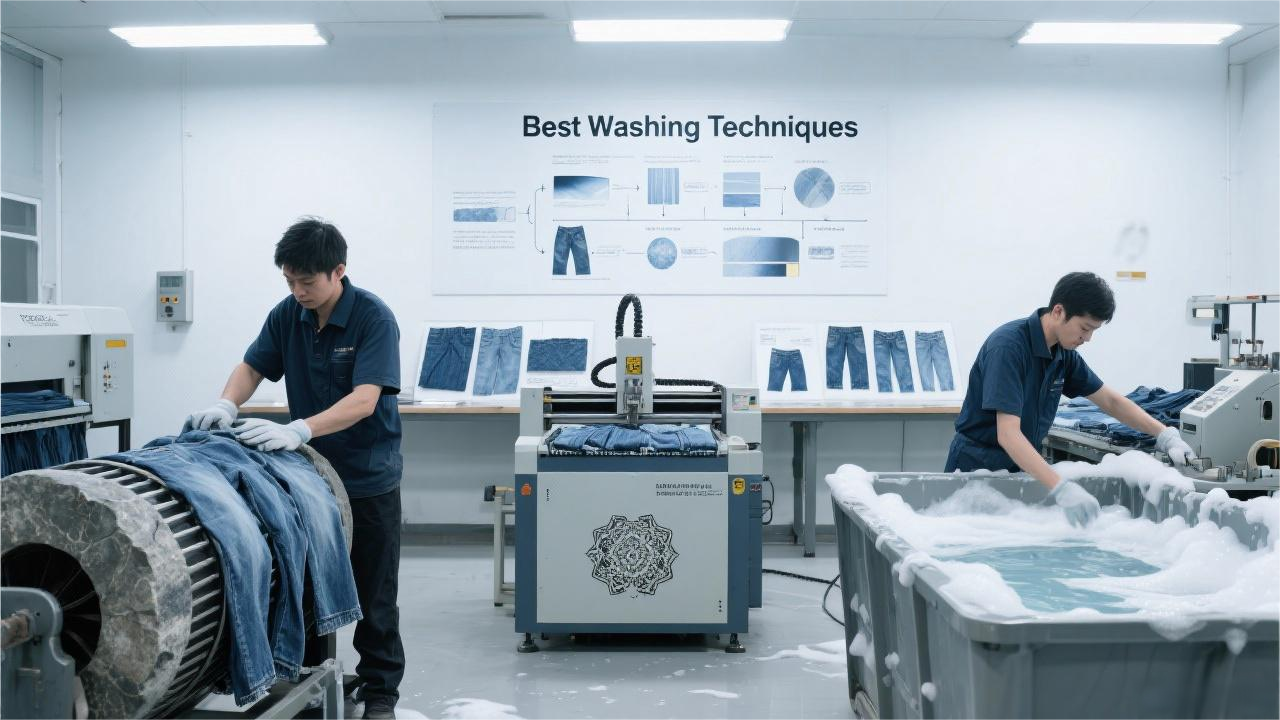
You need to understand the best washing techniques for denim to control shrinkage and maintain product quality. The washing and drying process plays a major role in how denim behaves after production. You can use specific wash and dry method steps to keep denim looking and fitting its best.
Cold Water vs. Hot Water
You should always choose cold water when washing denim. Cold water helps you preserve the original size and shape of your jeans. Hot water causes cotton fibers to contract, which leads to unwanted shrinkage. You also protect the color and strength of the fabric by using cold water.
Here is a comparison of cold water and hot water washing:
Factor | Cold Water Wash (Recommended) | Hot Water Wash (Not Recommended) |
|---|---|---|
Shrinkage Risk | Low; helps maintain original size. | High; causes cotton fibers to contract significantly. |
Color Retention | Excellent; prevents dye from bleeding and fading. | Poor; strips color and can lead to a dull look. |
Fabric Integrity | Gentle; preserves the strength of the denim fibers. | Harsh; weakens fibers over time, leading to wear. |
Washing denim at high temperatures, usually between 60°-90°C, can damage the fiber structure. You lose fabric integrity and see more shrinkage. Cold water is gentle and keeps the denim strong. Enzyme washing uses cellulase to create a soft texture and natural fading without harsh damage. You get a better result when you avoid hot water.
Air Drying vs. Machine Drying
You need to dry denim properly to prevent shrinkage. Air drying is the most effective way to keep denim in its original shape. You avoid heat, which causes fibers to contract and shrink. Machine drying, especially at high temperatures, leads to significant shrinkage and can damage the fabric.
Air drying keeps the fabric’s shape and prevents shrinkage.
Machine drying uses heat, which makes denim shrink and weakens the fibers.
You should hang jeans by the belt loops during air drying to maintain their shape and avoid creases.
Air drying from the hemline helps preserve the original length of your jeans.
You should always dry denim properly by choosing air drying over machine drying. This technique helps you maintain the fit and look of your products. You protect your brand reputation when you use the right wash and dry method.
Tip: If you want to dry denim properly, use air drying and avoid high-heat dryers. You will see less shrinkage and better fabric quality.
Industrial Equipment & Techniques
Large-scale denim manufacturers use advanced equipment and strict protocols to control shrinkage. You need to follow these steps to get consistent results.
You should conduct shrinkage tests and use the results during marker plotting.
You must manage wash recipes carefully from sampling to bulk production.
You need to control washing machines to ensure chemicals are spread evenly.
Industrial equipment like relaxation dryers and compactors help you stabilize denim after washing. Relaxation dryers use gentle heat and movement to release tension in the fibers. Compactors press the fabric to set its final dimensions. These techniques help you dry denim properly and keep shrinkage low.
You can improve your washing and drying process by using these industrial protocols. You get reliable results and maintain high product quality. The best washing techniques for denim combine careful washing, air drying, and the right equipment. You protect your products and satisfy your customers when you follow these steps.
Shrinkage Testing & Pattern Adjustments
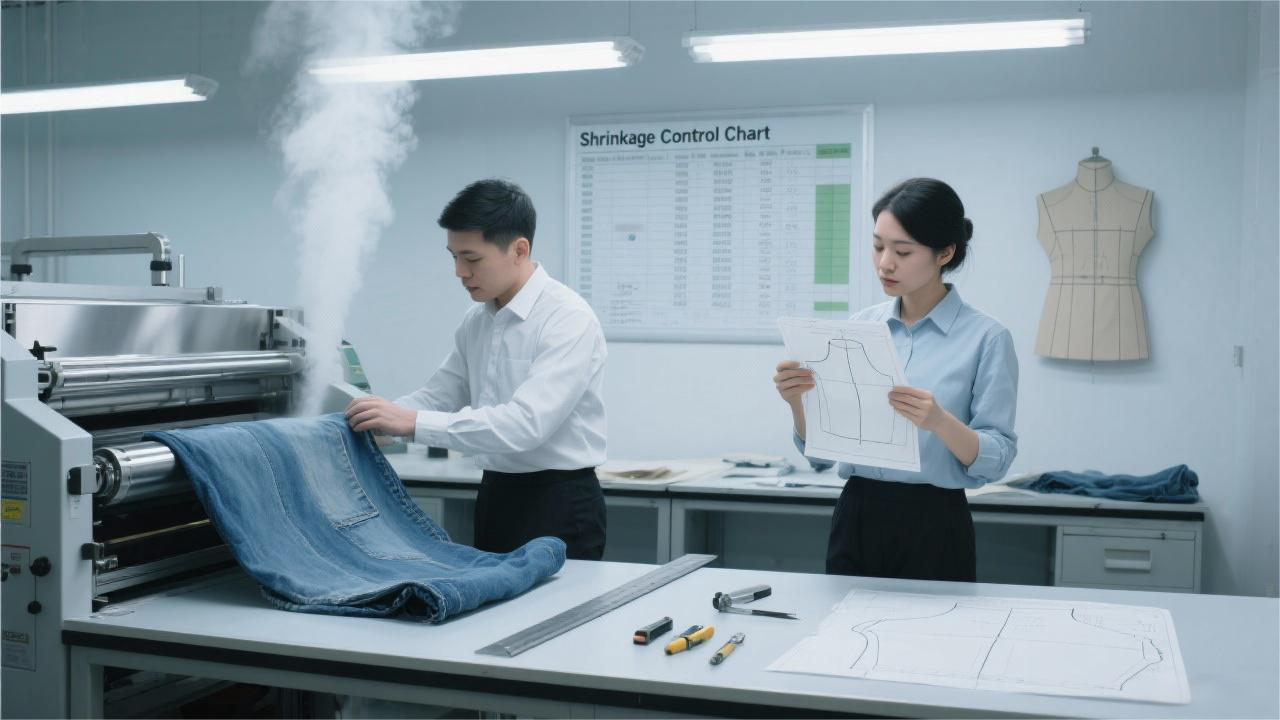
Shrinkage Testing Methods
You need to use reliable shrinkage testing methods to predict how denim will behave after washing. Standard tests like AATCC 135 and ISO 5077 help you measure how much denim shrinks during home or domestic laundering. These tests use a set process:
Prepare five 10×10 cm fabric swatches and mark them for measurement.
Wash the samples for five cycles at 40°C with standard detergent and mild agitation.
Air-dry the samples at room temperature.
Measure the fabric before and after washing to calculate the percentage of shrinkage.
You will find that sanforized denim usually shrinks about 1%, while raw denim can shrink between 5% and 7%. Factors such as fiber type, yarn twist, and fabric tightness also affect the results. Shrinkage testing gives you the data you need to make smart production decisions.
Real‐World Factor | Field Shrinkage Observed | |
|---|---|---|
Washer Temp Variance (±10°C) | Cotton: 3.8% | Cotton: 4.5–5.0% |
Overloading (50% extra load) | Polyester: 0.3% | Polyester: 0.5% |
Tumble Dry on High Heat | Cotton: 3.8% | Cotton: 5.0–5.5% |
Pattern Adjustment Techniques
You can prevent fit issues by adjusting your patterns to account for shrinkage. Start by testing your fabric for shrinkage in both length and width before production. Calculate the average percentage shrinkage from several samples. Add this percentage to your fabric requirement formula. This step ensures your finished garments meet size specifications after washing.
When you develop patterns, always include a shrinkage factor. This adjustment allows your jeans to fit correctly after laundering. You will see more consistent results and fewer returns when you use these techniques.
Tip: Always confirm your pattern allowances with actual shrinkage data from your tests.
Quality Assurance
You need strong quality assurance to monitor denim shrinkage throughout production. Use tests like AATCC TM135 to check dimensional changes after washing. AATCC 16 and ISO 105-E04 help you ensure colorfastness under light and perspiration. Pre-shrinking methods, such as sanforization, reduce shrinkage for rigid and heavy denim. Set practical quality control targets by comparing your pattern allowances with shrinkage test results for each fabric and finish.
Testing Method | Description |
|---|---|
AATCC TM135 | Measures changes after home laundering, simulating real-life conditions. |
AATCC 16 | Checks colorfastness to light. |
ISO 105-E04 | Evaluates colorfastness to perspiration. |
Pre-shrinking | Reduces shrinkage, especially for rigid denim. |
Practical QC targets | Confirms pattern allowances match shrinkage test data. |
By following these steps, you maintain high product quality and deliver denim that fits and lasts.
Denim Types & How to Shrink Jeans
Raw vs. Pre-Shrunk Denim
You face different shrinkage risks depending on the type of denim you choose. Raw denim, especially selvedge jeans, shrinks about 10-15% after the first wash. This initial shrinkage happens because the fabric has not gone through any pre-shrinking process. After the first wash, raw denim maintains its size with minimal further shrinkage. Pre-shrunk denim, also called pre-washed denim, experiences only 1-3% shrinkage. You get more predictable results with pre-shrunk fabric, which helps you avoid major fit changes.
Raw denim shrinks about 10-15% after the first wash.
Pre-shrunk denim shrinks only 1-3%.
If you want to shrink denim jeans intentionally, you need to know the type of denim you have. The methods about how to shrink jeans work best on raw denim because it reacts more to heat and moisture.
Stretch & Specialty Denims
Stretch denim contains synthetic fibers like elastane. Manufacturers use pre-shrinking, heat setting, and chemical finishes to stabilize stretch denim and reduce shrinkage risk.
Method | Purpose |
|---|---|
Pre-shrinking | Reduces shrinkage risk |
Heat setting | Stabilizes the fabric |
Chemical finishes | Stabilizes the fabric |
Specialty denims, such as performance or coated fabrics, require extra care. You should incorporate shrinkage percentage into your garment pattern to keep the fit correct after washing. You can also use pre-shrunk fabric or ask the factory to pre-wash the fabric before production. These steps help you control shrinkage and maintain quality.
Tip: Always check the care label before you try any methods about how to shrink jeans. Specialty denims may react differently to heat and moisture.
How to Shrink Jeans Safely
You may want to shrink denim jeans for a better fit. You can follow safe methods about how to shrink jeans without damaging the fabric. Here are the steps you should use:
Wash your jeans in the washing machine using a hot water cycle.
Dry the jeans on high heat for up to 60 minutes. Check every five minutes to monitor shrinkage.
Remove the jeans when you think they have shrunk enough.
If the jeans are still damp, hang them in a well-ventilated space to air-dry.
Once dry, try them on to check the fit.
If you want to shrink denim jeans more, repeat steps 1 to 5.
When you reach the right size, use only low heat for future washes to avoid further shrinkage.
You can also use the soak and stretch method if you want to adjust the fit in specific areas. Soak your jeans in warm water, then stretch the fabric gently by hand. The soak and stretch method works well for small adjustments and helps you avoid damaging the fibers. You can repeat the soak and stretch method as needed.
Tips for how to shrink jeans: Always test on a small area first and avoid excessive heat to protect the fabric.
You now know how to shrink jeans safely and which methods about how to shrink jeans work best for each denim type. You can use the soak and stretch method for targeted adjustments and follow these tips for how to shrink jeans to keep your denim looking and fitting great.
You can control denim shrinkage by pre-testing fabrics, running wash trials, and keeping clear communication with your team. Use new methods like E-Flow and AQUARIA® to reduce shrinkage and save resources. Stay transparent with your customers about any changes. When you act early and use the right tools, you build trust and keep your brand strong.
Take action now to ensure your denim fits well, lasts longer, and keeps your customers coming back.
FAQ
What is the main cause of denim shrinkage?
Cotton fibers in denim contract when exposed to heat and moisture. You see the most shrinkage during the first wash. Raw denim shrinks more than pre-shrunk denim.
How can you prevent denim from shrinking too much?
You should use cold water for washing and air drying. Choose pre-shrunk or blended fabrics. Always test your fabric for shrinkage before production. Add a shrinkage allowance to your patterns.
Does machine drying always shrink denim?
Yes, machine drying with high heat causes denim to shrink. You should air dry your jeans to keep their original size and shape.
Can you reverse denim shrinkage?
You cannot fully reverse denim shrinkage. You can try soaking and stretching your jeans while damp. This method helps recover some length and width, but results vary.
How do you test denim for shrinkage in production?
Step | Action |
|---|---|
1 | Cut and mark fabric samples |
2 | Wash and dry as specified |
3 | Measure before and after |
4 | Calculate shrinkage percentage |