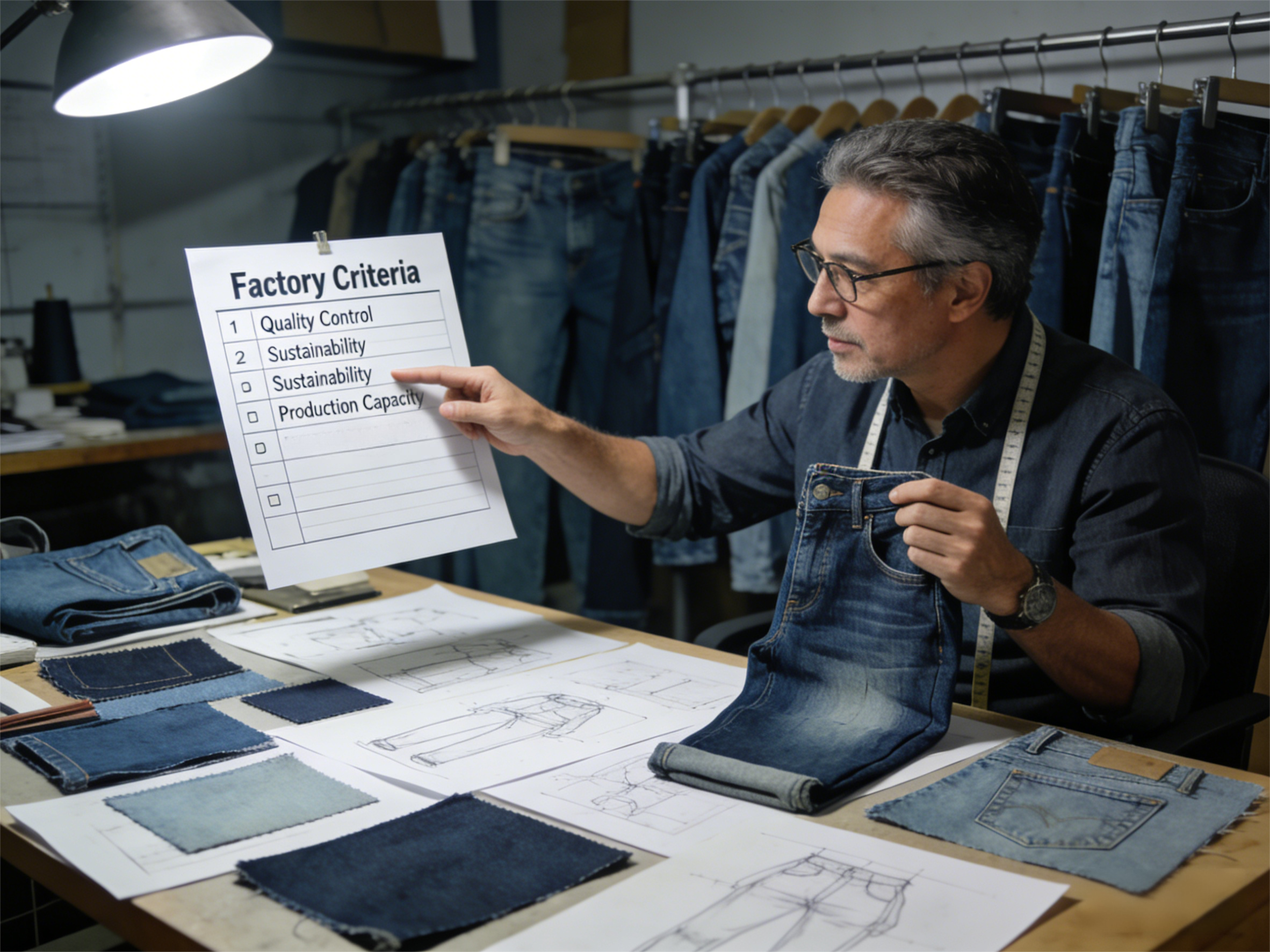
Imagine facing the challenge of choosing your path for the right site to support your business. You want your business to grow, but every site you visit offers different options for your project. Choosing your path means you must match each site with your business goals. Your project needs a reliable site for your product. You think about your project scale, the control you want, and how each site can help your business. Choosing your path for the best site gives your business the confidence to move forward, knowing your project and product will succeed.
Tip: When choosing your path, always review how each site fits your business and project needs before making a decision.
Key Takeaways
Choosing the right factory impacts your product’s quality and your brand’s reputation. Make informed decisions to build customer trust.
Evaluate potential suppliers based on their production efficiency and quality metrics. Use tools like Overall Equipment Effectiveness (OEE) for better comparisons.
Consider the pros and cons of in-house production versus outsourcing. Each option has unique benefits that align with different business goals.
Request samples from multiple batches to assess quality consistency. This step helps you avoid costly mistakes before full production.
Establish clear communication with your supplier. Strong partnerships lead to better problem-solving and support for your business growth.
Why Choosing Your Path Matters
Impact on Product Success
You shape your product’s future when you choose the right factory. Your decision affects quality, customer trust, and your brand’s reputation. Studies show that 86% of consumers buy from brands because of product quality. You build repeat business when you deliver high standards. Understanding what your market wants helps you define and maintain quality. You must focus on manufacturer selection to ensure your product meets expectations.
Note: High product quality leads to loyal customers and strong market performance.
When you evaluate potential product suppliers, you should look at how they manage production. Metrics like Overall Equipment Effectiveness (OEE) and Modified Overall Equipment Effectiveness (MOEE) help you measure efficiency and quality. These metrics include factors such as cycle time, downtime, and customer demand. You use these tools to compare suppliers and make informed choices.
Key Factors | Description |
|---|---|
Overall Equipment Effectiveness | Measures production efficiency and links directly to product quality. |
Modified OEE | Adds real-time factors for a clearer view of manufacturing efficiency. |
Operational Variables | Includes cycle time, downtime, and demand, all affecting market performance. |
Risks of Poor Factory Selection
You face serious risks if you do not pay attention during manufacturer selection. Poor choices can lead to overproduction, underproduction, and capacity problems. You may see higher costs and supply chain disruptions. Regulatory issues can damage your reputation and cause legal trouble. When you evaluate potential product suppliers, you must check for these risks.
Consequence | Explanation |
|---|---|
Overproduction | Excess inventory increases costs and slows your business. |
Underproduction | Stockouts frustrate customers and reduce sales. |
Capacity Constraints | Bottlenecks cause missed deadlines and lost opportunities. |
Increased Costs | Poor management wastes resources and slows operations. |
Supply Chain Disruptions | Shipments slow down, quality drops, and costs rise due to outside factors. |
Regulatory Noncompliance | Legal and financial penalties hurt your company’s reputation. |
Tip: Always review supplier reliability and compliance before making your final choice.
Evaluating Your Needs
When you start evaluating your needs, you must look at your business goals, product requirements, and the scale of your operation. Planning helps you decide if you should invest in new infrastructure, focus on expanding an existing facility, or consider outsourcing. Each option has unique benefits and challenges.
In-House vs. Outsourcing
You face a major decision between managing production in-house or outsourcing. If you choose in-house, you control infrastructure, quality, and processes. This path often requires expanding an existing facility or building on a greenfield site. Outsourcing lets you access advanced infrastructure and talent, but you may lose some control. The table below shows the main advantages and disadvantages:
Advantages of Outsourcing | Disadvantages of Outsourcing |
|---|---|
Lack of Transparency and Oversight | |
24-Hour Production | Loss of Quality Standards |
Increased Efficiency | Potential for Miscommunication |
Access to Advanced Equipment and Talent | Limits Innovation and Iteration |
Faster Time to Market | Supply Chain Complexities |
Reputation Risks | |
Security and IP Risks |
When planning, think about how much infrastructure you already have and whether expanding an existing facility will meet your needs. Expansion can be costly, but it gives you more control. Outsourcing may save money, but you must trust another company’s infrastructure.
Manufacturing Methods (CMT, FPP)
Choosing the right manufacturing method is key. Cut, Make, Trim (CMT) gives you control over materials and design, but you must manage sourcing and coordination. Full Package Production (FPP) shifts responsibility to the manufacturer, saving you time but reducing your control. The table below compares these methods:
Aspect | CMT | FPP |
|---|---|---|
More budget-friendly for labor, but you fund materials. | Higher upfront costs, but long-term savings possible. | |
Control | Tight grip on materials and design. | Less control, more reliance on manufacturer. |
Time Management | More time needed for coordination. | Streamlined production, saves your time. |
If you plan on expanding an existing facility, CMT may fit your infrastructure. FPP works well if you want to use outside infrastructure and focus on scaling quickly.
Prototype Validation & DFM
Prototype validation and Design for Manufacturability (DFM) help you avoid costly mistakes. DFM brings manufacturing needs into the design process early, which reduces errors and improves efficiency. Prototype validation tests your design with real infrastructure, making sure it matches your needs.
DFM reduces costs and speeds up production.
It lowers the risk of product complaints or returns.
DFM improves safety and makes future expansion easier.
When you focus on infrastructure, you make sure your product can scale as your business grows. Expansion becomes smoother, and you avoid problems that slow down production.
Tip: Use the table below to check the main factors when evaluating your needs for factory selection.
Factor Type | Description |
|---|---|
Customization | Tailoring criteria based on specific business needs. |
Quality and Compliance Standards | Ensuring products meet required quality and regulatory standards. |
Financial and Commercial Criteria | Evaluating the financial stability and commercial viability of potential factories. |
Operational Capability Standards | Assessing the operational efficiency and capacity of the factory. |
Technical Competency Criteria | Determining the technical skills and expertise available at the factory. |
Risk and Security Standards | Evaluating potential risks and security measures in place at the factory. |
Service and Relationship Criteria | Considering the level of service and relationship management offered by the factory. |
You must match your infrastructure and expansion plans with your business needs. Expanding an existing facility, building on a greenfield site, or outsourcing all depend on your goals and available infrastructure.
Finding a Manufacturer
Research & Sourcing Strategies
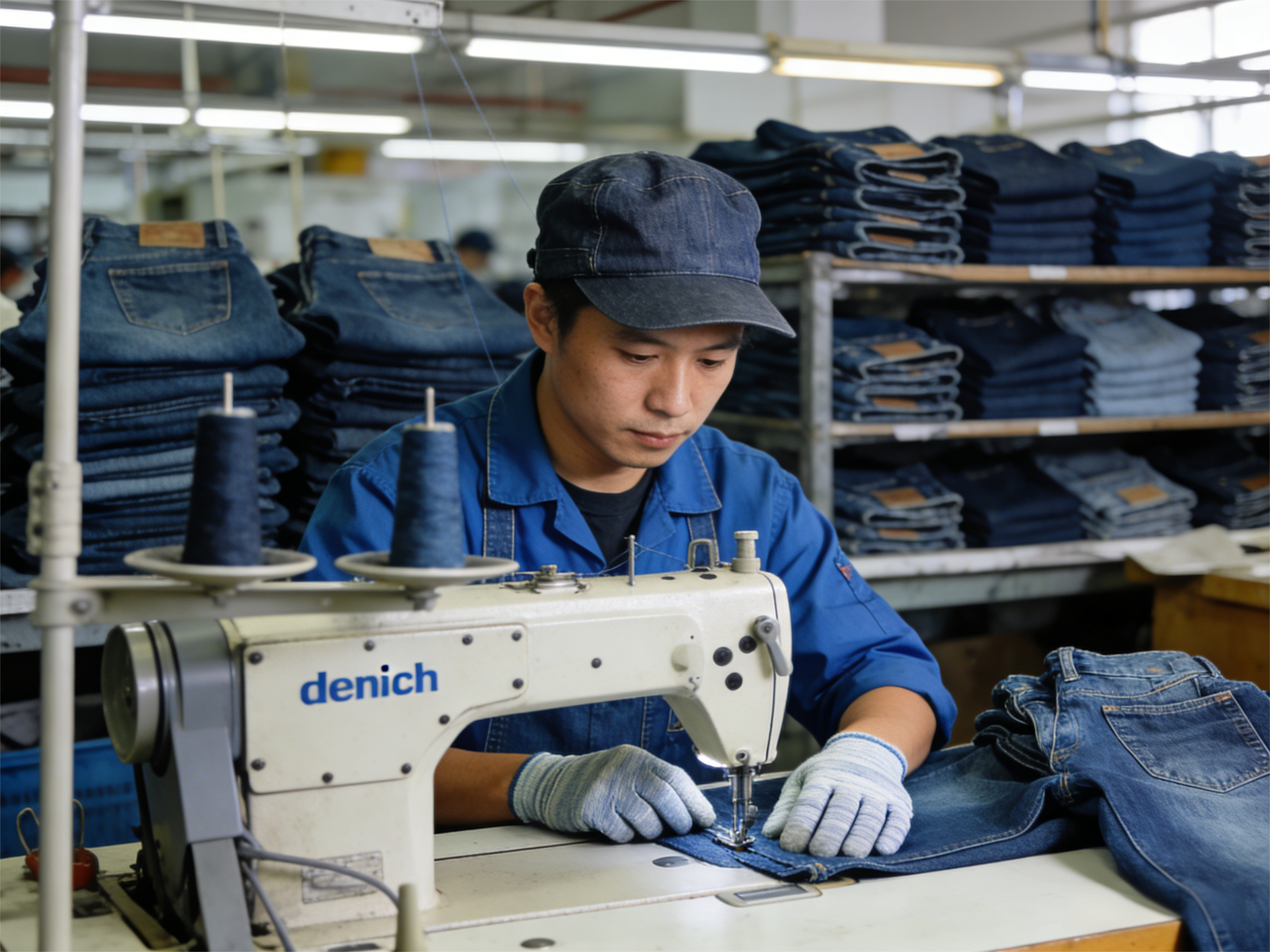
You begin the product sourcing process by planning your approach. Start by understanding your manufacturing needs and outlining your product specifications. This step helps you target the right manufacturer for your business. Use these strategies to guide your search:
Check that each manufacturer meets industry standards and holds the right certifications.
Look for experience in your product category.
Review lead times and make sure the cost fits your budget.
Research the reputation of each manufacturer and ask for references.
Assess their technology and production capabilities.
Shortlist manufacturers who specialize in your product.
Request detailed quotes and compare them.
Manage responses, paying attention to minimum order quantities and communication.
Ask for samples to check quality.
Discuss packaging and material options early.
Review offers and contracts for any concerns.
Consider starting with a pilot run to test the process.
Tip: Careful planning at this stage saves time and money later.
Initial Screening Criteria
You need clear criteria to screen potential manufacturers. Use the table below to compare your options:
Criterion | Description |
|---|---|
Certification and Standards | Check for certifications like ISO 9001 and adherence to industry standards. |
Quality Control Processes | Review testing, inspection, and traceability measures. |
Cost and Pricing | Analyze pricing, discounts, payment terms, and hidden costs. |
Delivery Performance | Look at on-time delivery records. |
Financial Stability | Ensure the manufacturer can deliver consistently. |
Customer Service and Support | Good support helps solve problems quickly. |
Contract Manufacturing vs. Licensing
You must decide between contract manufacturing and licensing. Each option affects your control and cost differently. The table below highlights the main differences:
Aspect | Contract Manufacturing | Licensing |
|---|---|---|
Control | Less control over intellectual property | |
Cost | Higher upfront investment | Generates revenue without production investment |
Quality Risks | Risks in quality and supply chain | Brand image risk if standards are not met |
Revenue Potential | Limited to direct sales | Ongoing revenue from royalties or fees |
Planning your approach to finding a manufacturer helps you balance control, cost, and quality. You set your business up for long-term success by following a systematic process.
Evaluating the Right Product Supplier
Choosing the right product supplier shapes your business success. You need to look beyond price and delivery dates. You must evaluate quality, capacity, cost structure, and communication. These factors help you find a reliable manufacturer and build a strong partnership.
Quality Standards & Certifications
You want your product to meet high standards. International buyers expect suppliers to follow strict quality guidelines. You should check for certifications that prove a supplier’s commitment to ensuring quality and success. The most common certifications include:
ISO 14001: Environmental Management
ISO 22000: Food Safety Management
ISO/IEC 27001: Information Security
These certifications show that a supplier values quality and safety. You should ask for proof of certification before you choose a supplier. You can also request details about their quality control processes. This step helps you avoid problems with your product and keeps your customers happy.
Tip: Always verify certifications and quality standards before signing any contract.
Capacity & Logistics
You need a supplier who can deliver your product on time and in the right quantity. You should analyze how well a supplier’s actual output matches their maximum potential output. Look for signs of production inefficiency or bottlenecks. You can ask for production reports and visit the factory to see operations firsthand.
You should also measure logistics capabilities. A good supplier meets demand and controls cost. You can review their shipping records and ask about their logistics systems. This analysis helps you spot constraints that could slow down your product delivery.
Capacity Factor | What to Check |
|---|---|
Output vs. Potential | Compare actual production to maximum capacity. |
Bottlenecks | Identify delays or resource shortages. |
Logistics Systems | Review shipping, warehousing, and tracking. |
Demand Management | Ask how they handle large orders. |
You want a supplier who can grow with your business and support your product needs.
Cost Structure & Transparency
You must understand the cost structure before you choose the right product supplier. A transparent cost structure helps you avoid hidden fees and surprises. You should ask for a detailed breakdown of costs in every contract. Key components include:
Production costs, including labor and machine costs
Overheads and administrative expenses
Profit margin and risk premiums
You should compare cost structures from different suppliers. This step helps you find the best value for your product. You can use a table to organize cost details and spot differences.
Cost Component | Description |
|---|---|
Material Costs | Price of raw materials |
Production Costs | Labor and machine expenses |
Overheads | Administrative and facility costs |
Profit Margin | Supplier’s earnings |
Risk Premiums | Extra charges for uncertainties |
Note: Transparent cost structures build trust and help you plan your budget.
Communication & Responsiveness
You need clear and frequent communication with your supplier. Good communication helps you solve problems quickly and keeps your product on track. You should set up regular check-ins, such as weekly calls or email updates. You must be open about your needs and expectations. Encourage your supplier to share their goals too.
Strong communication channels turn suppliers into partners. You should establish key performance indicators (KPIs) and discuss results often. This approach helps you maintain accountability and responsiveness. Open dialogue uncovers issues early and prevents delays with your product.
Frequent communication ensures alignment and anticipation of needs.
Clear channels, like scheduled meetings, improve operational efficiency.
Transparency builds trust and encourages collaboration.
Regular dialogue helps you spot problems before they grow.
Shared innovation creates mutual value for both sides.
You want a supplier who listens and responds quickly. This quality supports long-term business relationships and helps you achieve your product goals.
Tip: Treat your supplier as a partner, not just an order taker. This mindset leads to better results for your product and your business.
Sample Assessment & Reliability
Requesting Samples
You need to request and evaluate samples before you choose a factory. Samples show you how a factory handles your product and help you judge their quality. Ask for samples from different production batches. This step lets you see if the factory can keep quality consistent. You should also ask for inspection reports with each sample. These reports include details like the report ID, date, location, and inspector’s name. You can check the product name, batch number, and the inspection checklist. Look for findings, non-conformance details, and recommended actions. Photos or diagrams help you see the actual product. Signatures confirm the inspection is complete.
Inspection Details: Report ID, date, location, inspector’s name
Product/Process Details: Item name, batch number
Inspection Checklist: Objective criteria for quality
Findings: Notes on compliance and deviations
Non-Conformance: Description and severity
Visual Evidence: Photos or diagrams
Recommended Actions: Suggestions for improvement
Signatures: Confirmation of completion
Tip: Always request samples from multiple batches to check for consistent quality.
Assessing Quality
You must use objective criteria to assess the quality of factory samples. Look at both leading and lagging indicators. Leading indicators help you spot problems early. Lagging indicators show results after production. Defect rates tell you how many products do not meet quality standards. The number of tests shows how much effort the factory puts into quality control. Performance measures give you a clear view of how well the process works.
Metric Type | Description |
|---|---|
Leading Indicators | Metrics that allow early intervention to prevent issues. |
Lagging Indicators | Metrics that reflect the results achieved after processes are completed. |
Defect Rates | The percentage of products that do not meet quality standards. |
Number of Tests | The total number of quality tests conducted on samples. |
Performance Measures | Quantitative assessments of how well the manufacturing process is performing. |
You should compare these metrics across different factories. This approach helps you find the best quality for your product. Always check if the factory follows your inspection checklist and meets your standards.
Factory Reputation & Audits
You need to check the reputation of each factory before you make a decision. Third-party inspection agencies help you verify audit results. These agencies provide independent audits that protect your business reputation and ensure product safety. They check product specifications, safety standards, and labeling accuracy. Independent agencies also increase the credibility of audit results. Regulatory bodies often recognize their assessments.
Audit Aspect | Benefit |
|---|---|
Third-Party Inspections | Independent review of compliance and product safety |
Specification Verification | Checks product specs and labeling accuracy |
Impartial Evaluation | Increases credibility and trust with regulatory bodies |
You should always review audit reports and ask for references from previous clients. Reliable factories welcome audits and share results openly. This step helps you avoid risks and ensures high quality for your business.
Note: Regular audits and strong reputation checks help you maintain quality and protect your brand.
Long-Term Partnership Potential

Flexibility & Support
You need a factory that adapts to your changing business needs. Flexibility means the factory can adjust quickly when you launch new products or face market shifts. Support from your manufacturer helps you solve problems and grow your business. When you look for the right business model, you should check how well the factory handles change and supports your goals.
Here are important indicators that show a factory’s flexibility and support:
Indicator | Description |
|---|---|
Changeover Efficiency | Measures setup time reduction |
Capacity Utilization | Tracks resource optimization |
Configuration Adaptability | Assesses process modification capability |
Cost Impact | Evaluates financial implications of flexibility |
Customer Response | Measures market adaptation speed |
You can also look at three types of flexibility:
Time-based flexibility: How fast can the factory adapt to new demands?
Range flexibility: What variety of products or changes can the factory handle?
Cost flexibility: What are the costs when you make changes?
A strong partnership with your manufacturer means you get quick responses, technical support, and help with product development. You build trust and reliability when you choose factories that offer these qualities.
Alignment with Business Values
You want your factory to share your company’s values. This alignment helps you build a lasting relationship and maintain your brand’s reputation. When you focus on aligning with brand vision, you create a culture that supports your goals and keeps your customers loyal.
You can measure alignment in several ways:
Define clear company goals and match them with factory practices.
Use workplace culture surveys and behavioral observation scales.
Monitor employee engagement and satisfaction through regular feedback.
Include culture analytics in decision-making to improve performance.
Tie culture metrics to performance reviews for better results.
You should also gather feedback from customers and employees. The Organizational Alignment Survey (OAS) helps you check if your factory fits your business needs. Customer and employee surveys show if your values match across all levels.
When you choose a factory, look for production capability, strict quality control, a wide product range, and technical support. Factories with strong reputations and export experience often make better long-term partners. You also need to consider language barriers and cultural compatibility. These factors help you succeed when partnering with manufacturers for the future.
Tip: Long-term partnerships grow when you share values, adapt to change, and support each other’s goals.
Decision Checklist & Tips
Before you choose a factory, you need a clear checklist. This helps you avoid mistakes and make smart decisions. You should review the physical layout of the facility and check if the equipment matches your needs. Look at the full range of hoists, cranes, and stackers. Make operator safety and ergonomic design a priority. International compliance standards matter for global business. Calculate the total cost of ownership, including maintenance and downtime. Reliable suppliers offer strong after-sales support and spare parts. You should also check these areas:
Factory premises and equipment
Labor and human rights compliance
Environmental compliance
Management and documentation
Product quality and safety
Negotiation Strategies
You can improve your results by using smart negotiation strategies. Clear communication helps you understand what the supplier needs. You should work toward agreements that benefit both sides. Flexibility and creative solutions often lead to better deals. You can use these strategies:
Strategy Type | Description |
|---|---|
Competitive Bidding | Get quotes from several suppliers to lower prices. |
Negotiating Terms | Secure better payment terms, order sizes, and quality control clauses. |
Building Relationships | Treat negotiations as a partnership, not just a transaction. |
You can also negotiate for lower upfront deposits, better payment schedules, trial orders at smaller quantities, and clauses for rework costs.
Red Flags
Watch for warning signs during factory evaluation. Some common red flags include:
Unexpected soil conditions that need costly foundation work
Environmental assessments showing contamination or old storage tanks
Land constraints from floodplains, wetlands, or cultural sites
Unverified cleaning records
No traceability in batch records
Improper material segregation
No pest control log
Lack of personnel hygiene control
If you spot these issues, you should investigate further before making a decision.
Comparison Matrix
A comparison matrix helps you make objective choices. You can use tools like the Pugh Matrix or a Decision Matrix. These tools let you score each factory against key criteria. They highlight strengths and weaknesses and support data-driven decisions.
Tool | Description | Key Features |
|---|---|---|
Pugh Matrix | Compares options against a baseline solution | Criteria weighting, scoring, strengths and weaknesses |
Decision Matrix | Evaluates options based on weighted criteria | Reduces bias, simplifies choices, data-driven |
A decision matrix assigns scores to each option. This method reduces bias and makes complex decisions easier.
You can choose the right factory by following a clear process. Start by evaluating your needs, then find a manufacturer and assess suppliers. Use a decision checklist to boost your confidence and outcomes:
Principle | Benefit |
|---|---|
Shared measurement standards | Prevents disputes and ensures clarity in specifications. |
Management systems | Provides consistency and repeatable performance. |
Sustainability claims | Requires verified traceability and valid certificates. |
Sampling rules | Offers a transparent and fair decision framework. |
Ready to launch your new product? Try these steps to begin your journey:
Find your ideal solution
Explore our products
FAQ
What should you look for when choosing a factory?
You should check quality standards, production capacity, cost structure, and communication. Visit the site if possible. Review certifications and audit reports. Ask for samples to confirm product quality.
How do you compare different manufacturers?
Create a comparison matrix. Score each manufacturer on quality, cost, capacity, and reliability. Use clear criteria. This method helps you make objective decisions and reduces bias.
Why is sample assessment important?
Sample assessment lets you see product quality before full production. You can spot defects early. Request samples from multiple batches. Review inspection reports for consistency and reliability.
What is the difference between contract manufacturing and licensing?
Contract manufacturing gives you more control over production and quality. Licensing lets you earn revenue from royalties. You may lose some control over intellectual property with licensing.
How does factory selection affect clothing manufacturing?
Factory selection shapes your product quality, delivery speed, and brand reputation. You need a reliable partner for clothing manufacturing to meet market demands and maintain customer trust.