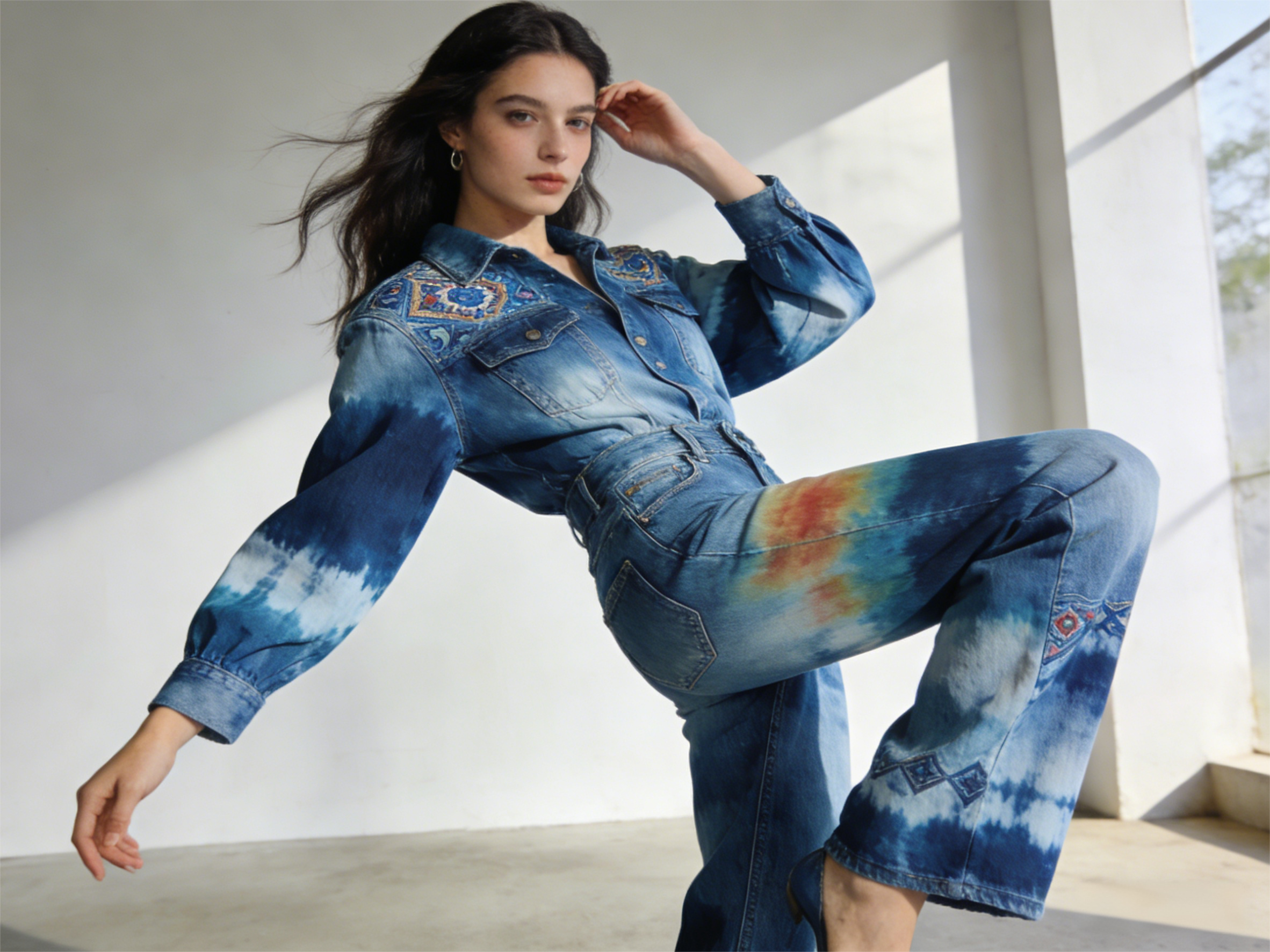
You now see AI-Powered Color Science changing how you work with indigo. Imagine factories using AI to achieve 98% color accuracy in indigo dyeing. You gain better color consistency and less waste. This technology lets you explore new creative directions with indigo. You can trust each batch to match your vision, making your dyeing process more efficient and inspired.
Key Takeaways
AI enhances color accuracy in indigo dyeing, achieving up to 98% consistency. This leads to better results and less waste.
Choosing natural indigo over synthetic options supports environmental sustainability. Natural dyes reduce pollution and promote eco-friendly practices.
AI-powered tools streamline the dyeing process, allowing for faster product launches and reduced manual labor. This boosts efficiency and creativity.
You can experiment with new shades and techniques using AI, which helps you visualize results before dyeing. This minimizes waste and maximizes creativity.
Integrating AI in dyeing equipment improves quality control and reduces resource consumption. This makes your dyeing process smarter and more sustainable.
Indigo Dyeing: Traditional Challenges
Color Consistency Issues
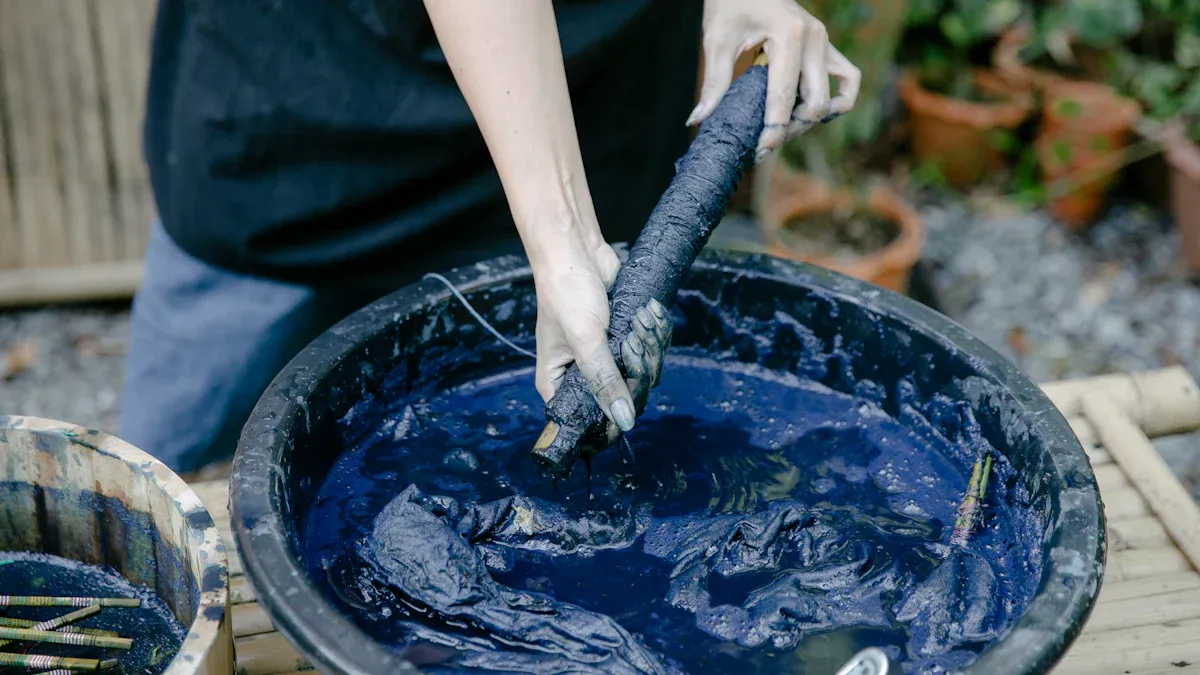
You often face challenges when you try to achieve consistent color results with indigo. The process depends on many factors, including the amount of indican in the vat and the fermentation stage. You need to monitor the organic material closely. If you do not have enough indican, the bacteria cannot ferment properly. This affects the reduction of indigo in the vat and leads to uneven shades.
The fermented vat does not work using that same logic, as was mentioned in Post #6. In order for the vat to work properly, there needs to be a certain amount of organic material to create adequate bacteria useful for fermentation. The fermentation seems to be very efficient at reducing the indigo present in the vat.
You must adjust the process each time to maintain the right balance. You may notice that even small changes in temperature or indican levels can cause big differences in the final color. This makes traditional indigo dyeing unpredictable and time-consuming.
Environmental Impact of Synthetic Dyes
You should consider the environmental impact when you choose between natural indigo dye and synthetic indigo dye. Natural dyeing uses renewable resources and biodegradable materials. You use fewer toxic chemicals, which helps reduce water pollution, energy use, and carbon emissions.
Synthetic indigo dye poses a risk to water quality because it releases toxic substances into rivers and lakes if you do not treat wastewater.
Natural dyes break down naturally, so they have less impact when you dispose of them properly.
If you use too much natural dye without control, you may cause organic runoff, which can affect water quality.
You help protect the environment when you choose natural indigo dye over synthetic indigo dye. You also support sustainable practices in the textile industry.
Cultural Significance and Revival
You see a revival of traditional indigo dyeing techniques in many regions. Artisans in Gujarat create textiles with motifs inspired by nature and folklore. Deep blue sarees in Bihar show a strong connection to local history and labor. In Dali Village, you find Chinese dyeing methods that reflect the region’s heritage. Guizhou offers workshops where you learn sustainable indigo dyeing practices. The Hmong and Dao tribes in Vietnam use indigo to make textiles with intricate designs. Kibibi Ajanku’s Indigo Dye Village in Africa blends West African tradition with creativity. Southern India uses organic methods to produce indigo textiles, showing a commitment to sustainability. Assam revives ancient dyeing practices, mixing history with innovation. Designers like Rajesh Pratap Singh and Anita Dongre reinvent indigo in modern fashion. Sustainable fashion movements now embrace indigo as an eco-friendly alternative to synthetic indigo dye.
You play a role in keeping these traditions alive. You help preserve cultural heritage and promote sustainable practices when you choose natural indigo dye and support artisan communities.
AI-Powered Color Science in Dyeing
Machine Learning for Color Matching
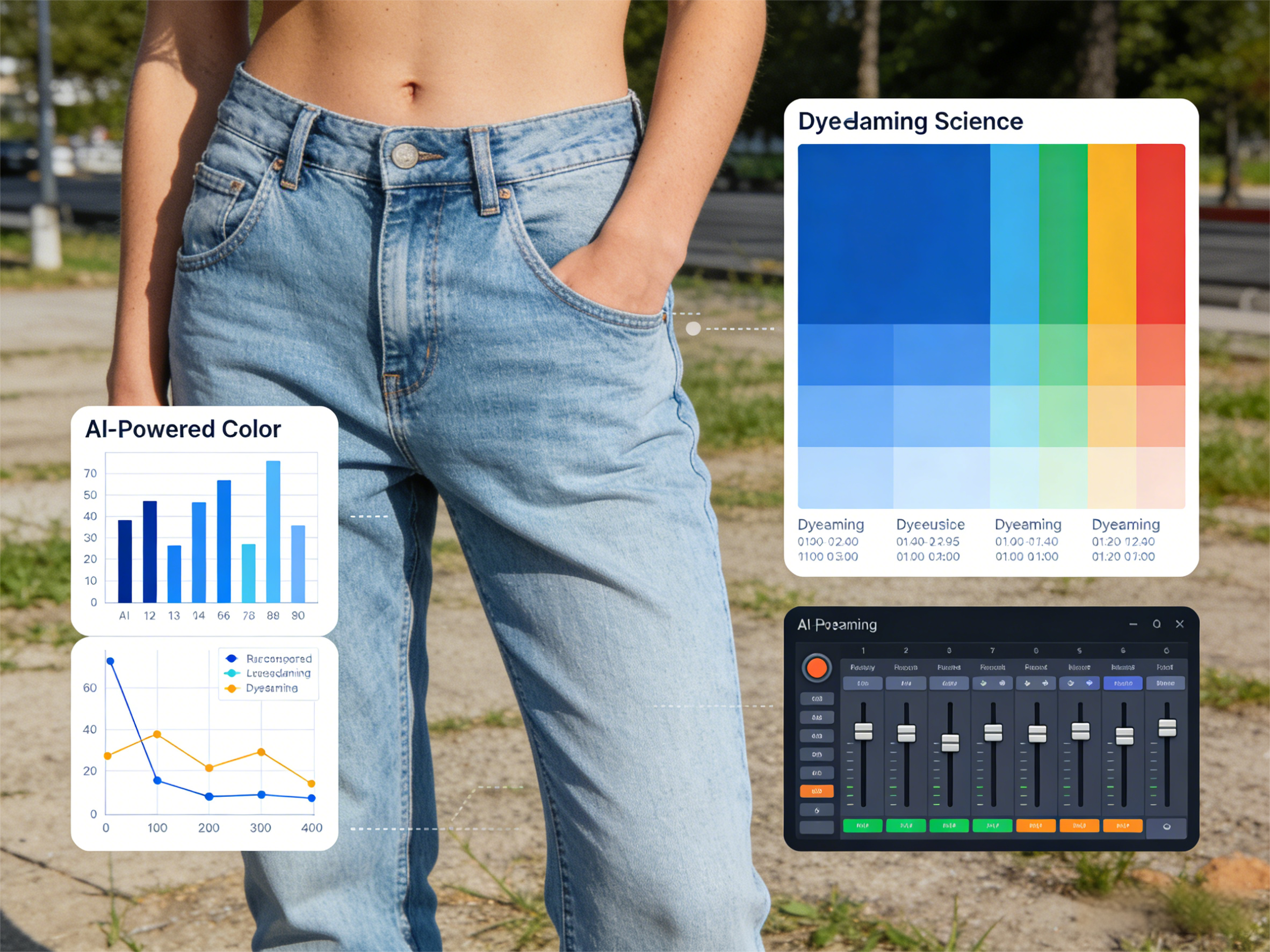
You can now achieve precise color matching in dyeing with ai-powered color science. Machine learning algorithms help you predict and validate fabric colors before you even start the dye process. This means you do not need to rely on trial and error or the experience of a skilled colorist. You can trust the system to give you objective and repeatable results every time.
Here is a comparison of manual and machine learning methods in color matching:
Aspect | Manual Methods | Machine Learning Methods |
|---|---|---|
Color Prediction | Time-consuming, relies on trial and error | Uses algorithms for precise formulations |
Dependence on Expertise | Heavily relies on skilled colorists | Reduces need for high expertise |
Efficiency | Often inefficient, leading to waste | Improves efficiency and reduces waste |
You benefit from faster and more accurate color prediction. The system can analyze large datasets and optimize dye recipes for natural indigo and other natural dyes. You can identify potential issues before they happen, which helps you maintain high quality in your dyeing projects.
AI can predict and validate fabric colors digitally before production, reducing the need for multiple dye trials.
Advanced algorithms analyze large datasets to optimize dye recipes and predict color behavior.
Machine learning provides objective and repeatable results in color detection.
It helps in identifying potential issues before they arise, enhancing overall accuracy.
Data-Driven Shade Development
You can use ai-powered color science to create new shades of indigo and other natural dyes quickly. AI tools automate color analysis and correction, so you do not need to spend hours on manual quality checks. You can test and retest shades in less time, which helps you launch new products faster.
AI tools automate color analysis and correction, which minimizes the time required for manual quality checks.
This automation allows for quicker re-testing, leading to faster product launches.
The result is a significant reduction in production cycles, giving manufacturers a competitive edge in responding to market trends.
You can expand your palette with confidence. The system helps you develop unique shades using the enzyme method or other natural dyeing techniques. You can respond to fashion trends and customer requests without delay. You also gain the ability to experiment with new combinations, knowing that ai-powered color science will guide you toward the best results.
Here is a table showing a real-world example of AI in textile manufacturing:
Feature | Description |
|---|---|
Model | AI-assisted dyeing optimization of polyimide fibers via neural networks |
Key Aspects | Accounts for nonlinear dye-fiber interactions and charge transfer effects |
Correction | Enhances dye recipe prediction and real-time optimization |
Validation | Experimental validation confirms minimal color deviation (RMSE < 1.63) |
Advancement | AI-driven approach advances intelligent color matching for high-performance textiles |
You can see how ai-powered color science supports both traditional and modern dyeing methods, including the enzyme method for natural indigo.
Reducing Waste and Errors
You can reduce waste and errors in your dyeing process with ai-powered color science. The system optimizes dye formulations, so you use only what you need. You do not have to re-dye fabrics as often, which saves you time, water, and energy. This approach also lowers your environmental impact, especially when you use natural dyes.
AI-powered color science has led to a significant reduction in dye waste by optimizing dye formulations and minimizing the need for re-dyeing processes. This optimization not only decreases the amount of dye used but also reduces the overall environmental impact by lowering water and energy consumption.
You can use the enzyme method to further improve your results. This method works well with natural indigo and other natural dyes. You get consistent shades and less waste, which supports your commitment to sustainability.
Tip: When you combine ai-powered color science with the enzyme method, you achieve the best balance of efficiency, quality, and environmental responsibility in your dyeing projects.
You can now focus on creativity and innovation, knowing that your dyeing process is smarter, cleaner, and more reliable.
Creating New Indigo Shades with AI
Predictive Shade Modeling
You can use AI to predict new shades for denim dyeing with greater accuracy than ever before. Traditional methods rely on Pantone standards and physical samples, which often slow down your creative process. AI-powered shade modeling uses large datasets from web images and design portfolios. You get suggestions for color harmony based on statistical patterns, not just empirical ratings. This approach helps you develop mood boards and spot trends quickly.
Here is a comparison of AI-powered and traditional shade prediction methods:
Aspect | AI-Powered Methods | Traditional Methods (Pantone) |
|---|---|---|
Causal Understanding | Lacks causal understanding of textile chemistry | Embeds empirical constraints based on ISO standards |
Data Sources | Trains on web images and design portfolios | Uses spectral reflectance data from dyed fabric samples |
Predictive Capability | Suggests color harmony based on statistical patterns | Provides empirical ratings for lightfastness, washfastness, etc. |
Application in Ideation | Accelerates mood board development and suggests trends | Offers established color matching and compatibility |
You see how AI can accelerate your ideation process. You do not need to wait for lab tests or physical swatches. You can visualize new indigo shades for denim and other textiles in minutes. This technology helps you experiment with natural dye recipes and predict how they will look on different fabrics.
Tip: Use AI-powered shade modeling to preview your denim dyeing results before you start the actual dye process. This saves you time and resources.
Expanding the Indigo Palette
You can expand your indigo palette beyond traditional blue tones. AI analyzes thousands of denim samples and natural dye combinations. You get access to a wider range of shades, from deep midnight blues to soft pastel washes. This technology helps you create unique denim looks that stand out in the market.
AI lets you blend natural indigo with other plant-based dyes to produce new colors.
You can adjust the concentration of natural dye and the timing of the denim dyeing process to achieve subtle variations.
The system suggests combinations that work well together, so you avoid clashing colors or uneven results.
You can use AI to track how different shades perform in real-world denim dyeing. The system collects feedback from designers and customers. You learn which indigo shades are most popular and which natural dye blends hold up best over time. This data helps you refine your palette and stay ahead of fashion trends.
Note: Expanding your indigo palette with AI supports sustainable fashion. You use more natural dyes and reduce your reliance on synthetic chemicals.
Custom Over-dye Formulas
You can create custom over-dye formulas for denim using AI. The technology analyzes the properties of natural indigo and other dyes. You get recommendations for layering colors to achieve complex effects. AI helps you control the denim dyeing process so you avoid common problems like uneven coverage or color bleeding.
You select your base shade of indigo and choose natural dyes for over-dyeing.
AI calculates the best ratios and timing for each step in the denim dyeing process.
You preview the final look digitally before you apply the dye to your denim fabric.
You can experiment with new techniques, such as gradient washes or multi-tone finishes. AI guides you through each stage, so you get consistent results every time. You reduce waste because you use only the amount of natural dye you need. This approach supports your commitment to eco-friendly denim production.
Callout: Custom over-dye formulas powered by AI help you create signature denim styles while protecting the environment.
You now have the tools to innovate with indigo and natural dyes. AI makes denim dyeing more creative, efficient, and sustainable.
Technology and Process Integration
AI in Dyeing Equipment
You see new technology transforming dyeing equipment in textile factories. AI-powered dyeing systems use sensors and machine learning to monitor every step of the dyeing process. These systems check fabric type, dye concentration, and temperature. You get real-time adjustments that keep dye quality consistent. This technology helps you reduce waste and improve efficiency. You no longer need to rely on manual checks or guesswork.
You notice that technology in dyeing equipment supports sustainable practices. The system uses less water and energy. You can track how much dye you use and adjust recipes for each batch. This technology makes your dyeing process smarter and cleaner. You also protect the environment by using natural dye and reducing chemical runoff.
Tip: You can set up alerts for equipment maintenance. AI technology predicts when machines need repairs, so you avoid downtime and keep your dyeing line running smoothly.
You benefit from technology that learns from each dyeing cycle. The system remembers which dye recipes work best for different fabrics. You get better results with less effort. This technology helps you meet high standards for color and quality in every dyeing project.
User Interfaces for Professionals
You interact with user interfaces designed for AI-powered dyeing systems every day. These interfaces make your workflow easier and more efficient. You see clear dashboards that show dyeing progress, machine status, and recipe suggestions. You can adjust dyeing parameters with simple controls.
Here is a table showing how technology improves your workflow:
Technology | Benefit |
|---|---|
Predicts optimal dye recipes and flow schedules, reducing waste and improving productivity. | |
Predictive Maintenance | Uses IoT sensors and AI to anticipate equipment failures, enhancing production planning resilience. |
Cobots & Robotic Assistants | Automates heavy tasks, reducing human exposure to chemicals and improving operational efficiency. |
You use technology to automate heavy dyeing tasks. Cobots and robotic assistants handle large dye vats and move fabrics safely. You spend less time on manual labor and more time on creative dyeing work. Technology also keeps you safe by limiting your exposure to chemicals.
You rely on user interfaces to plan dyeing schedules and track dye usage. The system gives you feedback on each dyeing batch. You learn which dye recipes produce the best results. This technology helps you improve your skills and deliver high-quality dyeing products.
Note: You can customize user interfaces to match your workflow. Technology adapts to your needs, making dyeing more flexible and productive.
You see how technology and process integration make dyeing smarter, safer, and more sustainable.
Real-World Applications and Industry Impact
Case Studies in Fashion and Textiles
You see AI-powered dyeing techniques making a big difference in the fashion world. Leading brands use AI to create new shades for denim collections. Designers can now experiment with natural indigo dye to produce unique effects on blue jeans. You notice that some companies use AI to predict which shades of denim will become popular next season. This helps you stay ahead of trends and meet customer demand.
In one case, a denim manufacturer used AI to control the dyeing process for a limited-edition line of blue jeans. The system adjusted the dye recipe in real time, so every pair had the same deep indigo shade. You can also find small artisan studios using AI to test new dye combinations. They create custom denim jackets with layered dye effects that stand out in the market.
Tip: You can use AI to test how different dyeing methods affect the look and feel of denim. This helps you create products that match your creative vision.
Benefits for Artisans and Manufacturers
You benefit from AI-powered dyeing in many ways. The technology gives you more control over the dyeing process, so you waste less dye and fabric. You can reduce costs and improve your profit margins. AI helps you forecast demand for denim products, so you do not overproduce or keep too much inventory.
Here is a table showing how AI-powered dyeing supports your business:
Description | |
|---|---|
Enhanced Precision | AI analytics improve market segmentation and product innovation. |
Reduced Waste and Inventory Costs | AI-driven demand forecasting minimizes waste and lowers inventory expenses. |
Improved Strategic Agility | Real-time analysis of competitors and regulations enhances strategic decision-making. |
Development of Eco-friendly Solutions | AI integration supports the creation of sustainable dye options. |
Accelerated Innovation Cycles | AI speeds up the innovation process, strengthening market positioning. |
Tailored Product Offerings | AI insights allow for the development of products that align with consumer preferences. |
Enhanced Brand Loyalty | AI-driven sentiment analysis helps brands adjust marketing strategies to foster consumer engagement. |
You can use AI to develop eco-friendly dye solutions for denim and other textiles. This supports your commitment to sustainability. You also gain the ability to create tailored dyeing recipes that match what your customers want. When you use AI, you build stronger brand loyalty because you deliver high-quality blue jeans and denim products every time.
Note: You can use AI to speed up your innovation cycle. This means you can launch new dyeing techniques and denim styles faster than your competitors.
Sustainability and Future of Indigo Dyeing
Eco-Friendly Dyeing Solutions
You play a key role in shaping the future of dyeing by choosing sustainable ways to work with indigo. Natural indigo offers clear environmental benefits. It comes from renewable plants and breaks down safely in nature. When you use natural indigo, you help reduce pollution and protect water sources.
AI-powered systems make your dye process even more eco-friendly. These tools analyze data on water and energy use during each dye cycle. You can spot where you use too much water or energy. AI helps you adjust dyeing parameters to save resources. Automation in your workflow also cuts down on waste and lowers your environmental impact.
AI tracks water and energy use in real time.
It suggests changes to your dye process for better efficiency.
Automation reduces the need for extra water and energy.
You see how AI supports sustainability in the textile industry. You can produce sustainable jeans and other garments with less harm to the planet. Many brands now use a light-driven process to further lower energy use in dyeing. This approach helps you meet the growing demand for sustainable fashion.
Tip: When you combine natural indigo with AI-driven processes, you create products that are both beautiful and kind to the environment.
Creative and Artistic Opportunities
You unlock new creative options when you use AI in your dye projects. AI lets you experiment with color, pattern, and layering in ways that were not possible before. You can test new dye recipes and see digital previews before you start. This saves you time and materials.
Designers use AI to create unique effects with indigo. You can blend shades, try gradient washes, or layer colors for bold looks. AI helps you predict how each dye will react with different fabrics. You get more control over the final result.
Creative Technique | How AI Helps You |
|---|---|
Gradient Washes | Suggests timing and ratios |
Multi-tone Over-dyeing | Recommends color combinations |
Patterned Dyeing | Simulates digital previews |
You become part of a movement that values both creativity and sustainability. By using AI and natural indigo, you help shape the future of dyeing. You inspire others to find new, sustainable ways to express their art.
You now see how AI-powered color science transforms indigo dyeing and over-dye techniques. You gain better color accuracy, less waste, and more creative control. You help protect the environment by using smarter, eco-friendly processes.
AI will keep driving new ideas in textile dyeing. You can look forward to even more sustainable and creative solutions in the future.
FAQ
What is AI-powered color science in indigo dyeing?
AI-powered color science uses computer algorithms to help you match and create colors more accurately. You get better results with less guesswork. This technology helps you save time and reduce waste in your dyeing projects.
How does AI help reduce waste in the dyeing process?
AI analyzes your dye recipes and suggests the best amounts to use. You avoid using too much dye or water. This helps you protect the environment and save money.
Can you use AI with traditional indigo dyeing methods?
Yes, you can combine AI with traditional methods. AI helps you control the process and get more consistent results. You keep the art of indigo dyeing alive while using modern tools.
What creative options do you get with AI in over-dye techniques?
You can try new color blends, patterns, and effects. AI lets you preview results before you start. You experiment more and waste less fabric or dye.
Is AI-powered dyeing equipment hard to use?
Most AI-powered systems have simple dashboards and controls. You can learn to use them quickly. The technology guides you through each step and helps you avoid mistakes.