
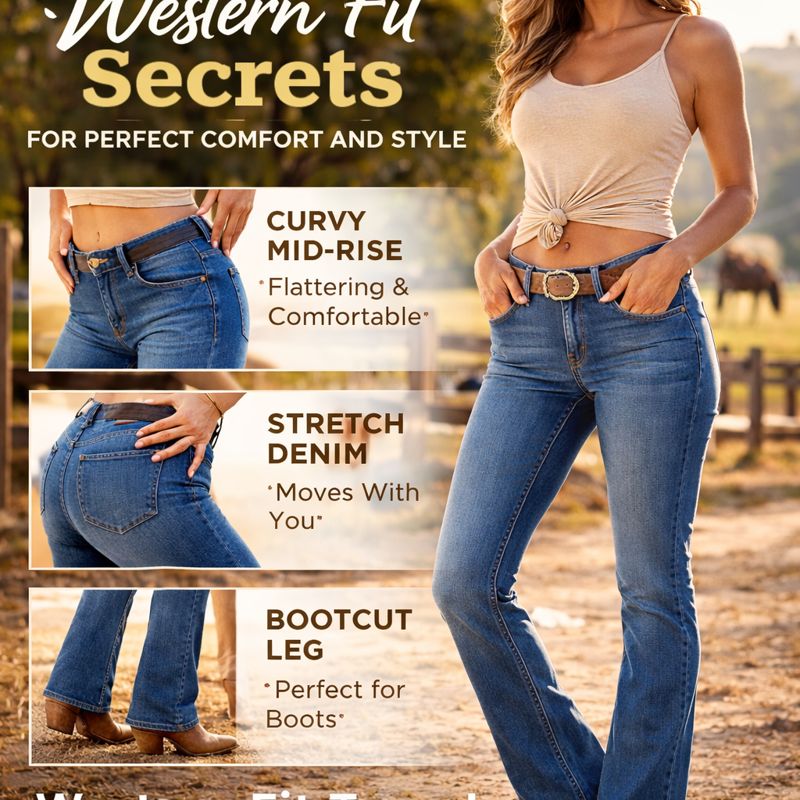
You want western fit that feels natural and stylish every day. Advanced pattern technology uses real eu and us body measurements to create clothes that match your shape. Eu and us customers have unique needs, so real eu and us data drives every design. Digital tools help you get a better fit by analyzing eu and us proportions. Pattern engineering gives you comfort and style based on real eu and us feedback. You can trust these methods to deliver the best fit for you.
Key Takeaways
Western fit uses real EU and US body measurements to create clothes that fit your unique shape.
Advanced digital tools, like 3D scanning, help brands design patterns that ensure comfort and style.
Pattern engineering addresses common fit issues, allowing for targeted adjustments in areas like shoulders and hips.
Customer feedback drives continuous improvement, helping brands adapt their sizing and designs to meet your needs.
Choosing brands that prioritize accurate fit can reduce returns and enhance your shopping experience.
What Sets Western Fit Apart
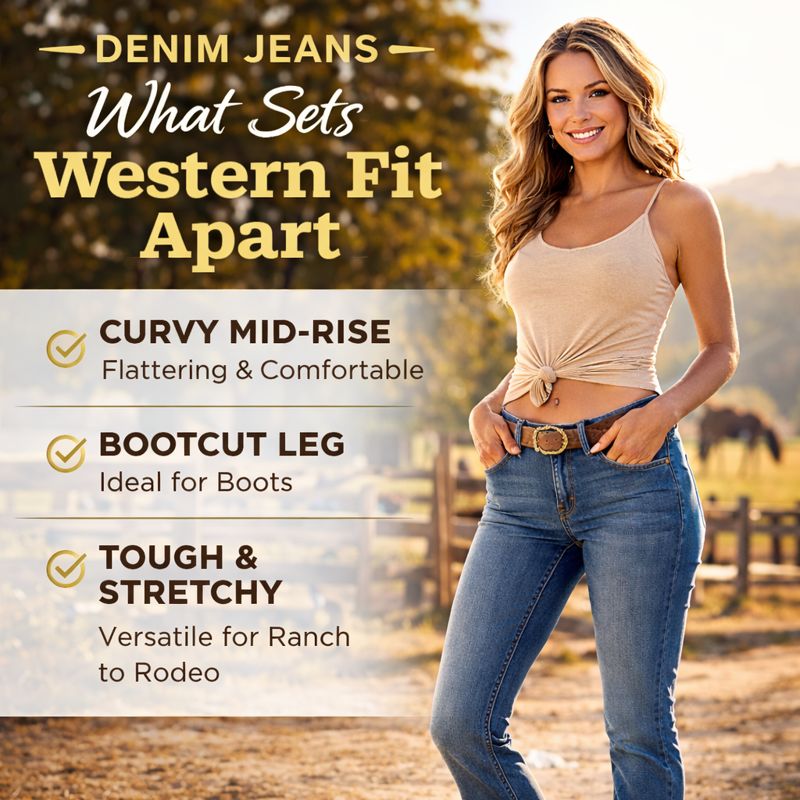
EU and US Body Shape Differences
You notice that your body shape does not always match what standard clothing offers. The eu and us markets show clear differences in body proportions. In the us, the average woman wears a size 16–18. This means you need designs that fit a wider range of shapes. You see many variations in ribcage and shoulder width, bust-waist-hip ratios, and torso lengths. The eu market also has its own unique body shapes. When you shop for clothes, you want something that fits your real measurements, not just a generic size.
You might wonder why these differences matter. If you use only one measurement, you miss out on a good fit for many people. Two people with the same bust can have very different waists and hips. Two people with the same hip can have totally different rises. You need clothing that considers all these factors. That is why brands use real eu and us data to create patterns that fit you better.
Why Standard Patterns Miss the Mark
Standard patterns often fail to give you the comfort and style you want. They do not always use real eu and us data. Instead, they rely on outdated models that do not reflect today’s body shapes. You may find that a shirt fits your shoulders but feels tight at the waist, or pants fit your hips but are too short in the rise.
The fix isn’t a token ‘plus’ rack; it’s designing for the full spread of bodies and proportions. Two people with the same bust can have very different waists and hips; two with the same hip can have totally different rises.
You can see the difference in sizing approaches between the us and eu in the table below:
Aspect | US Sizing Approach | EU Sizing Approach |
|---|---|---|
Measurement Basis | Body measurements with ease | Garment measurements with tailored fit |
Fit Philosophy | More relaxed fit | More fitted fit |
Customer Impact | Can lead to poor fit for EU consumers | Can lead to poor fit for US consumers |
You want western fit because it uses advanced pattern technology and real data from both eu and us customers. This approach helps you avoid the frustration of returns and ensures your clothes feel right every time.
Body Data and Digital Tools for EU/US Fit
Collecting EU/US Measurements
You want clothes that fit your body, not just a generic size. Brands collect accurate measurements from both eu and us customers to make sure you get the best fit. They focus on key areas like chest, waist, hips, and arm length. These measurements come directly from real people, not just from old charts. You see the difference when you try on a shirt or pair of jeans that feels like it was made for you.
You need to understand the difference between body measurements and garment measurements. Body measurements come from your actual shape. Garment measurements include extra space for comfort and movement. If brands mix these up, you end up with clothes that do not fit well. You want brands to use the right method so you do not feel squeezed or lost in your clothes.
Brands use several methods to gather this information:
They build size charts based on actual body measurements from eu and us populations.
They invest in proprietary sizing data or buy standard size sets from organizations like Alvanon or ASTM.
They use large datasets to cover a wide range of body types and ages.
You might wonder how big these datasets are. Here is a table showing some of the main sources:
Dataset | # Subjects | Application | Labels | Demographic Coverage |
|---|---|---|---|---|
CAESAR | 2,400 | Ergonomics, apparel, healthcare | Yes | North American and European |
ANSUR | 13,000 | Military, ergonomics, apparel | Yes | US Military, mostly white |
Human3.6M | 11 | Pose estimation, 3D modeling | No | Limited |
NHANES | Unknown | Public health, nutrition, growth studies | Yes | Diverse U.S. population |
You see that brands use thousands of real eu and us subjects to make sure their clothes fit you. They also use advanced scanning tools to collect measurements quickly and accurately. For example, platforms like FIT:match use 3D digital twin technology to scan your body in real time. This technology gives you privacy and accuracy, so you can trust the process. Local security keeps your information safe and makes the process faster.
Using CAD and Pattern Technology
You benefit from digital tools that turn your measurements into patterns for western fit. Computer-Aided Design (CAD) software, like Gerber AccuMark and Lectra Modaris, helps brands create patterns with millimeter accuracy. These tools prevent mistakes that happen with manual methods. You get clothes that match your body, not just a standard template.
You see the impact of 3D scanning and pattern technology in the design process. Tools like CLO 3D let designers simulate how clothes will fit on different eu and us body shapes before making any physical samples. This saves time and reduces waste. You get new styles faster, and brands avoid costly errors.
Traditional design workflows are often plagued by repetitive manual tasks, siloed tools, and inefficient communication between designers and manufacturers. These issues result in extended timelines, costly errors, and wasted resources, particularly during sampling and production.
You want brands to use digital pattern grading. This process uses CAD software to adjust patterns for every size, making sure each one fits as intended. The 3D Scan-to-Pattern workflow, with tools like Peel 3D and ExactFlat, captures your shape and turns it into a 2D pattern. This method considers fabric stretch and tension, so your clothes feel comfortable and look great.
You also benefit from faster and more efficient design. Real eu and us body data, combined with digital tools, allow brands to create virtual 3D fit models. These models help brands test and adjust patterns for different body types. You get better fit accuracy, and brands can offer more sizes without slowing down production. For example, companies using Browzwear technology have reduced the need for physical prototypes by 25% and cut development time by nearly a month.
You may face challenges when brands use new digital tools. Sometimes, sensor accuracy depends on the environment. Connectivity problems can slow down data flow. Designers need training to use these tools well. Even with these challenges, the benefits for you are clear. You get clothes that fit better, arrive faster, and waste less material.
Pattern Engineering for Western Fit

Adapting Patterns for Western Proportions
You want clothes that match your real shape. Brands use advanced pattern engineering to give you a better fit. They start with real measurements from both eu and us customers. This approach helps designers see how your body differs from standard models. You notice that your shoulders, waist, hips, and length often do not match what off-the-rack clothes offer. Pattern engineers use digital tools to solve this problem.
You see that pattern makers use special software to adjust every detail. They use us and eu data to create patterns that fit your body, not just a mannequin. For example, they might widen the shoulders for us customers or adjust the waist for eu shapes. These changes make sure your clothes feel comfortable and look great. You get a shirt that fits your shoulders and a pair of jeans that hugs your hips just right.
Designers use digital pattern grading to create sizes for every body type. They do not just scale up or down. Instead, they use real us and eu measurements to make sure each size fits as intended. This process helps you avoid the frustration of clothes that fit in one area but not another.
Pattern engineering uses real-world data and digital tools to give you a fit that feels custom-made.
Addressing Common Fit Issues
You often find that standard clothes do not fit your shoulders, waist, hips, or length. Brands use advanced techniques to fix these problems. One of the most effective methods is the slash and spread technique. This method lets pattern makers add volume to specific areas, such as the shoulders or hips, without changing the whole pattern. You get a targeted solution for your unique shape.
You might notice that your shoulders are broader than what most shirts allow. Pattern engineers use the slash and spread method to add width only where you need it. If your waist is smaller or larger than average, they adjust the pattern at that point. For hips, they can add or remove space so your jeans fit smoothly. When you need extra length in the torso or legs, they use digital tools to extend the pattern without affecting the rest of the garment.
Here is a quick look at how pattern adjustments address common fit issues for us and eu customers:
Fit Issue | Pattern Adjustment Technique | Benefit for You |
|---|---|---|
Shoulders | Slash and spread | More room, better movement |
Waist | Targeted grading | No pinching or gaping |
Hips | Volume adjustment | Smooth fit, no pulling |
Length | Digital extension | Proper coverage, no riding up |
You benefit from these digital solutions because they use real us and eu data. Designers test patterns on virtual models that match your body. They see how the garment fits before making a sample. This process saves time and reduces waste. You get clothes that fit better and last longer.
You want western fit because it solves the problems you face with standard sizing. Brands listen to feedback from both us and eu customers. They use this information to update their patterns and improve fit with every new collection. You see the results in clothes that feel right the first time you try them on.
Results and Continuous Improvement
Real Fit Success Stories
You see the difference when brands use real eu and us measurements. Many customers share stories about how their clothes finally fit right. One shopper from the us said, “I used to order three sizes and return two. Now, I get the right fit the first time.” Another customer in the eu noticed that her jeans hugged her hips and did not gap at the waist. These stories show how western fit changes your shopping experience.
Sizing issues cause about 34% of all ecommerce returns. Gen Z shoppers in the us often buy several sizes at once, a practice called bracketing. Over 51% of them do this, which leads to high return rates. Brands that use size prediction technology and virtual fitting rooms have reduced size-related returns by up to 64%. You benefit from fewer returns and more confidence in your purchases. Consistent shipping and easy returns also help you trust the brand and shop again.
“I finally found jeans that fit my us proportions. I did not have to return anything for the first time in years!” — US customer
Listening and Innovating
You want brands to keep improving. They do this by listening to feedback from both eu and us customers. Brands collect your opinions through surveys, social media, and focus groups. They also track how you interact with products and review return data. This process helps brands spot trends and fix problems quickly.
You help shape new collections when you join beta programs or share your thoughts online. Brands update their eu and us body data at least once a year. If they see a lot of feedback or new trends, they may update it twice a year. Major changes happen faster if new products launch or if many us customers report fit issues.
Brands analyze customer feedback and return data every year.
They update sizing more often if they see a lot of feedback or new trends.
They use surveys, focus groups, and social media to gather your opinions.
They track how you use products to find ways to improve.
Customer feedback loops let brands adapt quickly. Even a small change in fit can lower returns and make you more loyal. You see better fit, less waste, and more styles that match your real eu and us shape. Western fit keeps evolving because you help drive the process.
You now know how real EU and US body data, digital tools, and advanced pattern engineering work together to give you the best Western fit. You get comfort and style that match your shape. Try these new fits and see the difference for yourself.
Have questions or feedback about your fit? Drop a comment or reach out—your input helps us keep improving! 👖
FAQ
How do you know if a garment uses real EU/US body data?
You can check the brand’s website or product tags. Brands often highlight their use of real body data. Look for mentions of 3D scanning, digital fitting, or advanced pattern technology.
Why do some clothes still not fit even with advanced sizing?
You may have unique proportions that fall outside standard ranges. Brands improve fit for most people, but some bodies need custom tailoring. Always check the size guide and reviews before buying.
What is digital pattern grading?
Digital pattern grading uses software to adjust patterns for each size. You get a better fit because the process considers real body measurements, not just simple scaling.
Can you trust virtual fitting rooms?
You can trust most virtual fitting rooms. They use your measurements and 3D models to suggest sizes. Always enter accurate data for the best results.