
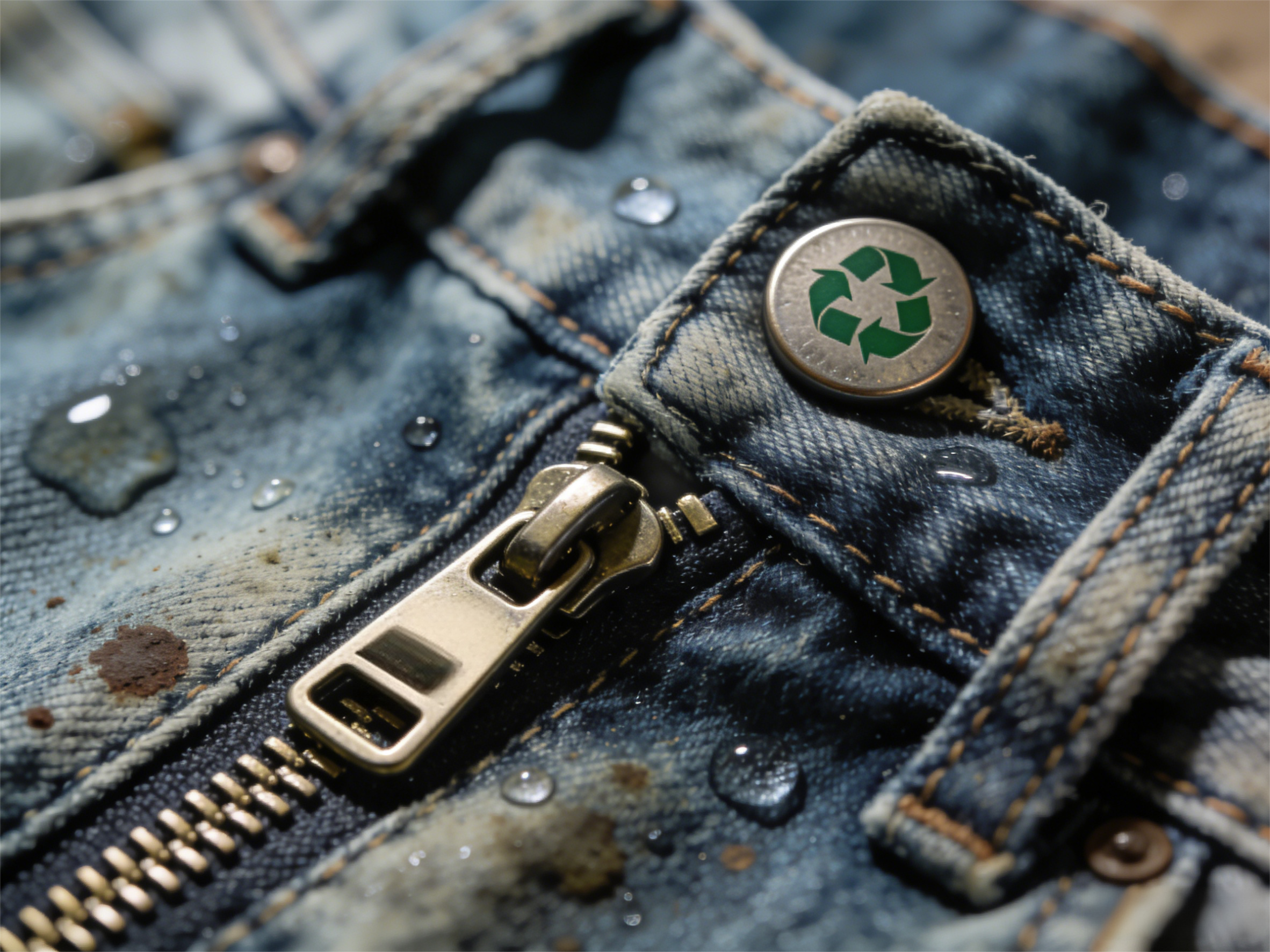
You face more than just a fashion choice when you buy a pair of jeans. The Hidden Costs of Denim Production: From Water to Logistics affect you and the world in ways that often go unseen. For every pair of jeans, manufacturers use up to 3,800 liters of water and contribute to 1.5% of global carbon emissions.
Denim production brings urgent challenges:
Textile waste piles up, harming the environment.
High costs slow down recycling efforts.
Cheaper new fibers threaten recycled denim markets.
Financially, denim requires heavy investments in machinery and ongoing expenses for materials and maintenance. These costs keep rising, making denim production a growing concern for both your wallet and the planet.
Statistic | Value |
|---|---|
Global Denim Market Value | $113.66 billion by 2025 |
Annual Jeans Sold | 1.24 billion pairs |
Water Consumption per Pair | Up to 3,800 liters |
Contribution to Carbon Emissions | Approximately 1.5% of global emissions |
Key Takeaways
Denim production uses up to 3,800 liters of water per pair, stressing water resources and contributing to pollution.
Fast fashion leads to overproduction, with 40% of clothing going unsold, creating massive textile waste and environmental harm.
Choose brands that prioritize sustainability, using eco-friendly materials and transparent practices to support responsible production.
Look for certifications like GOTS and Fair Trade to ensure your denim choices promote fair labor and environmental protection.
Extend the life of your jeans by buying second-hand, recycling, and supporting brands that focus on reducing waste.
The Hidden Costs of Denim Production: From Water to Logistics
Excessive Water Consumption
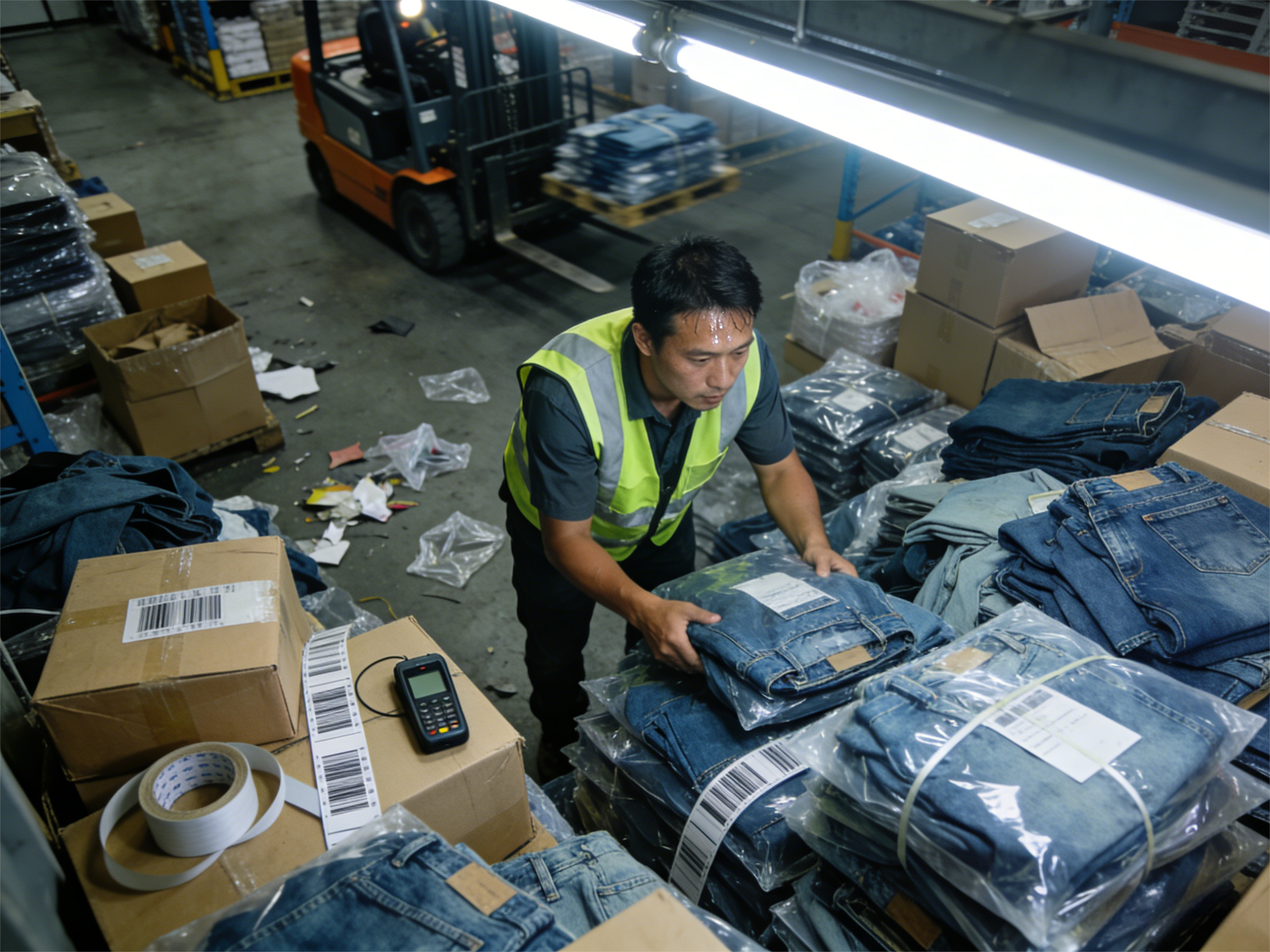
You might not realize how much water goes into making your jeans. The hidden costs of denim production: from water to logistics start with the fields where cotton grows. Farmers use thousands of liters of water to grow enough cotton for just one pair of jeans. Most of this water never returns to the environment in a clean state.
A typical pair of jeans uses about 3,781 liters of water during its lifecycle.
Some estimates show that producing a single new pair can require as much as 7,000 to 10,000 liters.
Levi’s found that their classic 501 Jeans use up to 3,781 liters of water from cotton field to finished product.
This excessive water consumption puts stress on rivers, lakes, and underground aquifers. You see the effects in places where water scarcity is already a problem. When factories use so much water, they often release it back as polluted wastewater. This leads to water pollution, which harms plants, animals, and people who depend on these water sources.
Hazardous Chemicals in Dyeing and Finishing
The hidden costs of denim production: from water to logistics do not stop with water use. Factories use many chemicals to dye and finish denim. Synthetic indigo dye gives jeans their classic blue color, but it comes with a price. You find chemicals like chlorine bleach, formaldehyde, and heavy metals in the dyeing process. These chemicals can end up in rivers and soil if factories do not treat their wastewater.
In some countries, especially in the Global South, communities face serious health risks from textile industry pollutants. In Cambodia, textile production caused about 60% of national water pollution in 2008.
When unsellable jeans or secondhand clothing get burned, they release toxic chemicals into the air. Dioxins, which are known to cause cancer, can spread through the environment. Discarded denim often contains chemicals that do not break down easily. This adds to the problem of water pollution and harms local ecosystems.
Resource-Intensive Supply Chains
The hidden costs of denim production: from water to logistics also include the journey your jeans take before reaching you. Denim supply chains use many resources at every step. Factories need energy to run machines, transport raw materials, and finish products. The carbon footprint of a single pair of jeans is about 33.4 kg of CO₂. This number shows how much greenhouse gas enters the atmosphere during production.
Transport makes up only a small part of the total carbon footprint—about 2%. Most emissions come from growing cotton, using chemicals, and running factories. Still, every step in the supply chain uses resources and adds to the environmental impact. When you buy jeans, you support a system that relies on resource-intensive supply chains and uses large amounts of water, energy, and chemicals.
The hidden costs of denim production: from water to logistics affect you, the environment, and future generations. You can help by learning about these impacts and choosing products made with fewer resources and safer chemicals.
Overproduction and Environmental Impact
Fast Fashion and Textile Waste
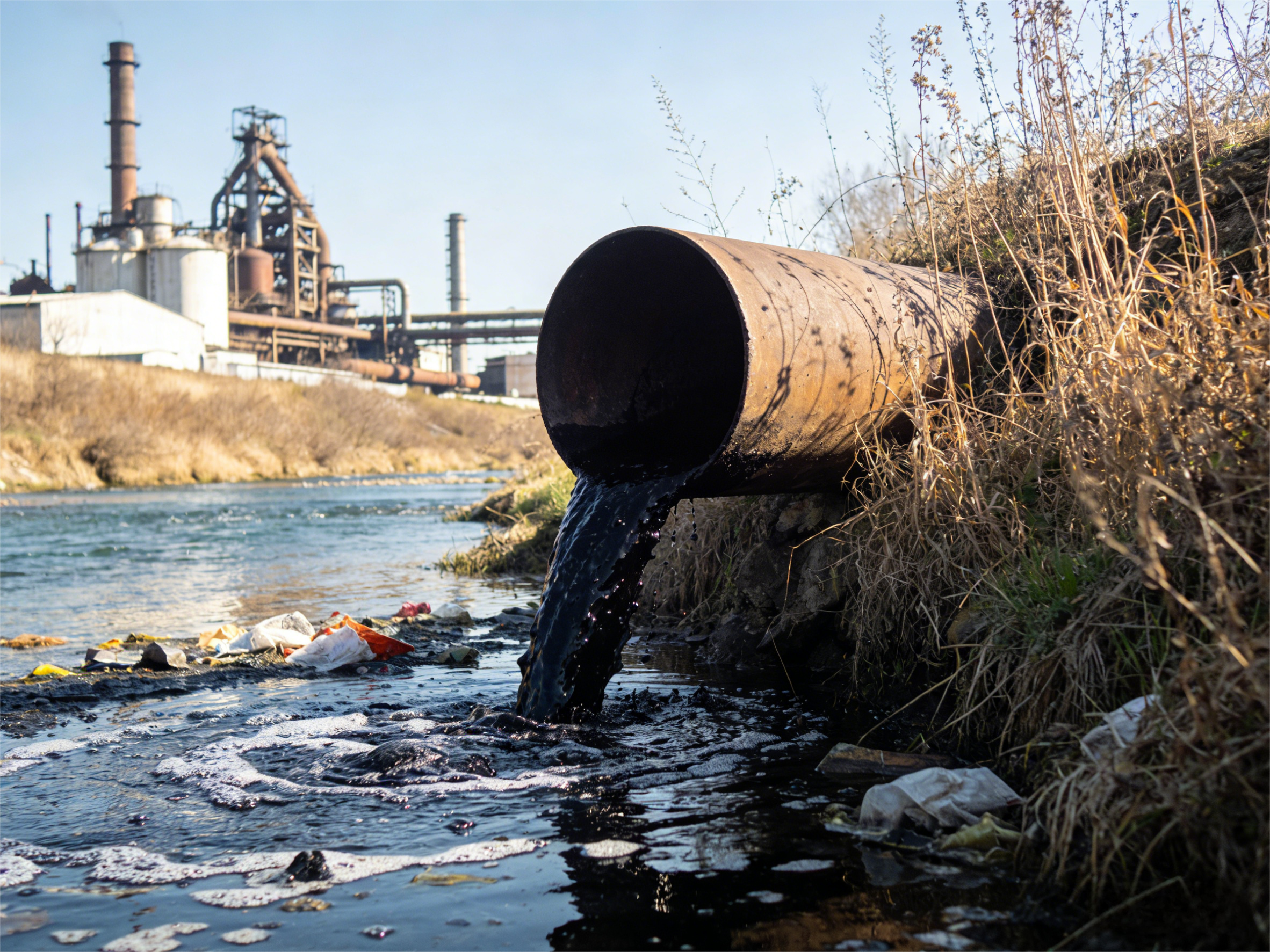
You see fast fashion everywhere. Stores push new styles every week, making you want more jeans and denim jackets. This cycle leads to overproduction. Factories make more clothes than people buy. Up to 40% of clothing produced each year becomes oversupply. That means around 60 billion garments remain unsold. Most of these end up as massive textile waste in landfills or get burned. Fast fashion encourages you to buy more, but it also creates huge waste problems. You support a system that drives overproduction and increases environmental degradation. When you throw away jeans, you add to the growing piles of waste. Fast fashion makes the environment suffer because it creates massive textile waste and pollution.
Fast fashion leads to overproduction and massive textile waste.
Unsold denim often goes to landfills or incinerators, causing environmental problems.
You contribute to waste when you buy more than you need.
Pesticides and Fertilizers in Cotton Farming
Cotton farming for denim uses large amounts of pesticides and fertilizers. These chemicals help grow cotton quickly, but they harm the environment. Cotton uses 16% of global pesticides and 4% of global fertilizer. Other crops do not use as much. Chemicals from cotton fields run into rivers and lakes, causing pollution and waste. You support this process when you buy fast fashion denim.
Crop Type | Percentage of Global Pesticide Use | Percentage of Global Fertilizer Use |
|---|---|---|
Cotton | 16% | 4% |
Other Crops | N/A | N/A |
Pollution and Biodiversity Loss
Denim production causes pollution at every stage. Factories use toxic chemicals to fix dyes and finish jeans. These chemicals pollute water and soil. Textile dyeing and finishing create about 20% of all industrial water pollution worldwide. Factories generate 2 million tonnes of dyeing and finishing wastewater each year. Indigo dyes do not break down easily, leading to soil acidification and more environmental waste. In cotton-growing regions like India and the United States, pesticide use has caused a 40% drop in pollinator populations. This loss hurts food production and damages the environment. You can help reduce pollution and protect biodiversity by choosing denim made with fewer chemicals and supporting brands that care about the environment and carbon footprint.
Pollution from denim production harms the environment and causes waste.
Overproduction and fast fashion increase environmental problems and carbon footprint.
Biodiversity loss happens when chemicals from cotton farming damage local ecosystems.
Financial Costs and Long-Term Sustainability
Supply Chain Expenses
You pay more for denim than you might think. The price tag on your jeans does not show the hidden supply chain expenses that add up before you buy them. These costs include environmental damage and social impacts that brands often leave out of their calculations. For each pair of jeans, environmental externalities like water scarcity and pollution add about €12.73. Social impacts, such as bonded and child labor, add another €25.69. This creates a true price gap of €38.42 per pair. These hidden costs inflate the value of denim and make it harder for you to see the real impact of your purchase.
Environmental externalities: €12.73 per pair (water scarcity, pollution)
Social impacts: €25.69 per pair (bonded and child labor)
True price gap: €38.42 per pair
Resource-intensive finishing techniques also degrade fabric strength and durability. This leads to more textile waste and higher recycling costs. When denim does not last, you buy new jeans more often. This cycle increases hidden emissions and puts more pressure on the environment. You support a system that values fast production over long-term sustainability.
Regulatory and Compliance Risks
You face more than just price increases when denim brands do not follow the rules. Denim producers must meet strict labor safety standards, especially in the United States. OSHA enforces regulations for machinery operation, chemical handling, and personal protective equipment. These rules protect workers and ensure safe workplaces. Brands must also comply with environmental regulations for water, wastewater, and chemical use.
Social compliance risks: fair wages, safe workplaces, protection from forced labor
Environmental regulations: water management, chemical usage, wastewater treatment
Labor safety standards: enforced by local laws and organizations
You see brands investing in new technology to meet these standards. They must comply with the Clean Water Act for wastewater treatment and control synthetic dyes and VOCs to reduce air pollution. Failure to meet these requirements can lead to financial penalties and damage to brand reputation. Some brands try to avoid these costs through greenwashing, making false claims about their sustainability efforts. You need to look for real certifications and transparent practices to avoid supporting greenwashing.
Economic Impact on Communities
Denim production affects local communities in many ways. You help create jobs and support skill development when you choose brands that invest in community-driven recycling centers. These centers train local workers and provide technical education in textile recycling. Micro-entrepreneurship grows when small-scale collection centers and cooperatives form. This helps reduce poverty and supports fair labor practices.
Economic Impact | Description |
|---|---|
Job Creation | Establishing community-driven denim recycling centers and training local workers. |
Skill Development | Providing technical education and training in textile recycling to empower the workforce. |
Micro-entrepreneurship | Opportunities for small-scale collection centers and community-driven recycling cooperatives. |
Poverty Alleviation | Creating stable income sources and supporting fair labor practices in developing regions. |
Case Study: Urban Renewal | A project in Brazil reduced local unemployment by 40% through a community-driven initiative. |
Case Study: Women’s Empowerment | An Indian startup trained women in textile recycling, promoting financial independence. |
You can see the positive effects when brands focus on real sustainability instead of greenwashing. Community projects can reduce unemployment and empower women. These efforts help build a stronger, more resilient local economy.
Long-Term Sustainability Strategies
You play a key role in shaping the future of denim. Brands that invest in sustainability strategies can reduce both financial and environmental costs. Energy consumption reduction, water management innovations, and eco-friendly materials all help lower the impact of denim production.
Strategy | Evidence |
|---|---|
Energy Consumption Reduction | Brands have reduced energy consumption per unit to 1.393 kWh, well below the industry average. |
Water Management Innovations | Foam-dyeing and recycled water systems help reduce the water footprint of denim production. |
Eco-friendly Materials | Low-impact dyes, organic cotton, and biodegradable materials are shaping future denim offerings. |
Sustainability certifications make a difference. Outland Denim reduces water usage by up to 86% and energy by 57%. MUD Jeans uses up to 40% recycled denim and closed-loop washing systems. ABLE publishes wage transparency reports and uses organic cotton. Triarchy employs ozone laundry technology and biodegradable fibers. Ética reduces water use by 90% and energy by 63%. These brands show that real sustainability is possible and profitable.
You benefit from these strategies. Sustainable denim practices minimize pollution and resource depletion. They improve resource efficiency and enhance brand reputation. Brands that focus on long-term sustainability attract eco-conscious buyers and increase market share. If brands do not adapt, they risk falling behind due to regulatory pressures and changing consumer values.
Tip: Watch out for greenwashing. Some brands make big claims about sustainability but do not back them up with real action. Look for certifications and transparent reporting to make sure your choices support true long-term sustainability.
Social and Ethical Implications
Labor Practices and Worker Health
You support the fashion industry every time you buy denim, but you may not see the real cost paid by workers. Many factories still rely on exploitative labour practices. Less than 2% of workers in denim production earn a living wage. Most brands do not guarantee fair pay. In fact, 93% of top brands fail to ensure fair wages for their workers. Unsafe working conditions remain common. Workers often face exposure to toxic chemicals and poor ventilation. These risks can lead to serious health problems, including respiratory issues and skin diseases.
You can help by choosing brands that follow fair labour standards and provide safe workplaces. The sustainable denim movement pushes for ethical supply chains and responsible production. However, sustainable denim often costs more, making it less accessible than fast fashion. You need to look for brands that prove their claims and avoid greenwashing.
The fashion industry faces major labour practice issues.
Fair labour standards and safe working environments are essential for worker health.
Many eco-friendly claims lack proof, so you should check for transparency.
Community Effects
You may not realize how denim production affects communities near manufacturing plants. Toxic water exposure from factory effluents harms people living in textile hubs like Dhaka, Bangladesh. The fashion industry contributes to ecosystem loss in these areas. Pollution from denim factories leads to environmental and social harm. Water sources become unsafe, and local biodiversity suffers.
Communities near denim factories experience health risks from polluted water.
The fashion industry can cause ecosystem loss and damage local economies.
Sustainable practices help reduce environmental and social harm, but they require commitment from brands and consumers.
You play a role in supporting better labour conditions and healthier communities. When you choose denim from responsible brands, you help protect workers and the environment.
Solutions and Consumer Choices
Sustainable Production Methods
You can see how denim manufacturers respond to the growing demand for sustainability by adopting new methods. Many companies now use circular production, which transforms old jeans into new ones. Resource reuse helps reduce waste at every step. Factories also invest in renewable energy and advanced water recycling systems. For example, Saitex recycles 98% of its water and turns waste into building materials. Waterless finishing, like ozone fading and laser abrasion, cuts water and chemical use. These innovations show how sustainable practices can lower the environmental impact of denim.
Method | Description |
|---|---|
Circular Production | Turns old jeans into new ones, closing the loop in the supply chain. |
Resource Reuse | Reduces waste by reusing materials throughout production. |
Renewable Energy Usage | Powers factories with clean energy sources. |
Water Recycling | Recovers and reuses water and indigo dye in the dyeing process. |
Waterless/Low-impact Finishing | Uses ozone, lasers, and foam to reduce water and chemicals. |
Responsible Brands and Alternatives
You have many choices when you look for responsible denim brands. Some companies lead the way with sustainable practices and innovative technologies. Orta Anadolu uses eco-friendly materials and Indigo Flow technology. Tejidos Royo developed Dry Indigo® to save water and energy. Kuroki focuses on traditional weaving for high-quality denim. Brands like Advance Denim, Arvind Limited, and Candiani Denim also commit to responsible production. These companies show that the growing demand for sustainability can drive real change in the industry.
Brand | Country | Sustainable Practices |
|---|---|---|
Orta Anadolu | Turkey | Eco-friendly materials, Indigo Flow technology |
Tejidos Royo | Spain | Dry Indigo® technology for water and energy savings |
Kuroki | Japan | Traditional weaving, high-quality selvedge denim |
Bossa | Turkey | Sustainable denim solutions |
Advance Denim | China | Eco-friendly practices and materials |
Arvind Limited | India | Eco-friendly denim solutions |
Crescent Bahuman | Pakistan | Responsible production focus |
ISKO | Turkey | Responsible supply chain practices |
Candiani Denim | Italy | Minimal environmental impact, innovative technologies |
How Consumers Can Make a Difference
You can support sustainable practices by making smart choices. Choose brands that use eco-friendly materials and energy-efficient production. Look for companies that follow circular fashion models to reduce waste. You can extend the life of your jeans by buying second-hand or supporting clothing reuse and recycling. Certifications like GOTS, Fair Trade, and OEKO-TEX® help you find products that meet high standards.
Certification | Description |
|---|---|
GOTS | Ensures organic fabric and strict social and environmental standards |
Fair Trade Certified | Promotes safe working conditions, fair pay, and environmental protection |
OEKO-TEX® | Certifies textiles for safety and sustainability |
Tip: Check if brands share their manufacturing processes and publish annual sustainability reports. Transparency helps you make informed decisions and supports the growing demand for sustainability.
Extend the use of your clothing by choosing second-hand options.
Support brands that focus on recycling and reusing denim.
Look for certifications and transparent reporting.
You see denim production’s hidden costs in water use, chemical pollution, and extra fees. The table below shows how these costs add up for every pair of jeans:
Hidden Costs | Additional Fees |
|---|---|
Rush Surcharges | +10–20% on top of CMT |
Below-MOQ Fees | +15–30% for small runs |
Re-sampling | $100–$150 each round |
Packaging, labels, trims | +$1–$2 per pair |
You can help reduce these impacts. Choose jeans made with waterless finishing, recycled fibers, and support brands that join recycling programs. Your choices encourage responsible denim production and protect the environment for future generations.
FAQ
What makes denim production harmful to the environment?
You see denim production use large amounts of water and chemicals. Factories often release polluted water into rivers. Cotton farming for denim uses pesticides that harm soil and wildlife. These actions damage ecosystems and reduce biodiversity.
How can you tell if a denim brand is truly sustainable?
You can check for certifications like GOTS, Fair Trade, or OEKO-TEX®. Look for brands that share their production methods and publish sustainability reports. Brands that use recycled materials and water-saving techniques often show real commitment to sustainability.
Why does sustainable denim cost more?
You pay more for sustainable denim because brands invest in better materials, fair wages, and safer factories. These costs support workers and protect the environment. Fast fashion often skips these steps to keep prices low.
What are some easy ways to reduce your denim footprint?
You can buy fewer jeans, choose second-hand options, and support brands that recycle denim. Wash your jeans less often to save water. Donate or recycle old jeans instead of throwing them away.
Does recycled denim feel different from regular denim?
You may notice recycled denim feels softer or lighter. Brands blend recycled fibers with new cotton to keep quality high. Most people cannot tell the difference when wearing recycled denim.