You play a key role in shaping the future of denim by choosing eco-friendly options. The journey from cotton to jeans has started to shift, focusing on sustainability and responsible actions. Traditional jeans production uses 3,781 liters of water and releases 33.4 kg of CO₂ per pair, affecting the environment. Today, eco-friendly innovations help save water and energy. You see more brands adopting sustainable practices. When you select a Sustainable Pair of Jeans, you support the focus on sustainability and better working conditions.
Nearly 58% of European shoppers now prefer eco-friendly denim, making sustainability a driving force in fashion.
Key Takeaways
Choosing sustainable jeans helps save water and energy, reducing the environmental impact of denim production.
Look for certifications like GOTS and Bluesign to ensure your jeans are made with eco-friendly materials and ethical practices.
Support brands that use innovative techniques, such as waterless dyeing and laser finishing, to minimize waste and pollution.
Participate in recycling programs to give old jeans a new life and reduce textile waste in landfills.
Every choice you make in denim shopping can inspire others and contribute to a more sustainable future for fashion.
How a Pair of Jeans Is Made
You might wonder how a pair of jeans is made before it lands in your closet. The production process involves several key steps, each with its own impact on the environment. Understanding these steps helps you see why sustainable denim matters.
From Cotton to Yarn
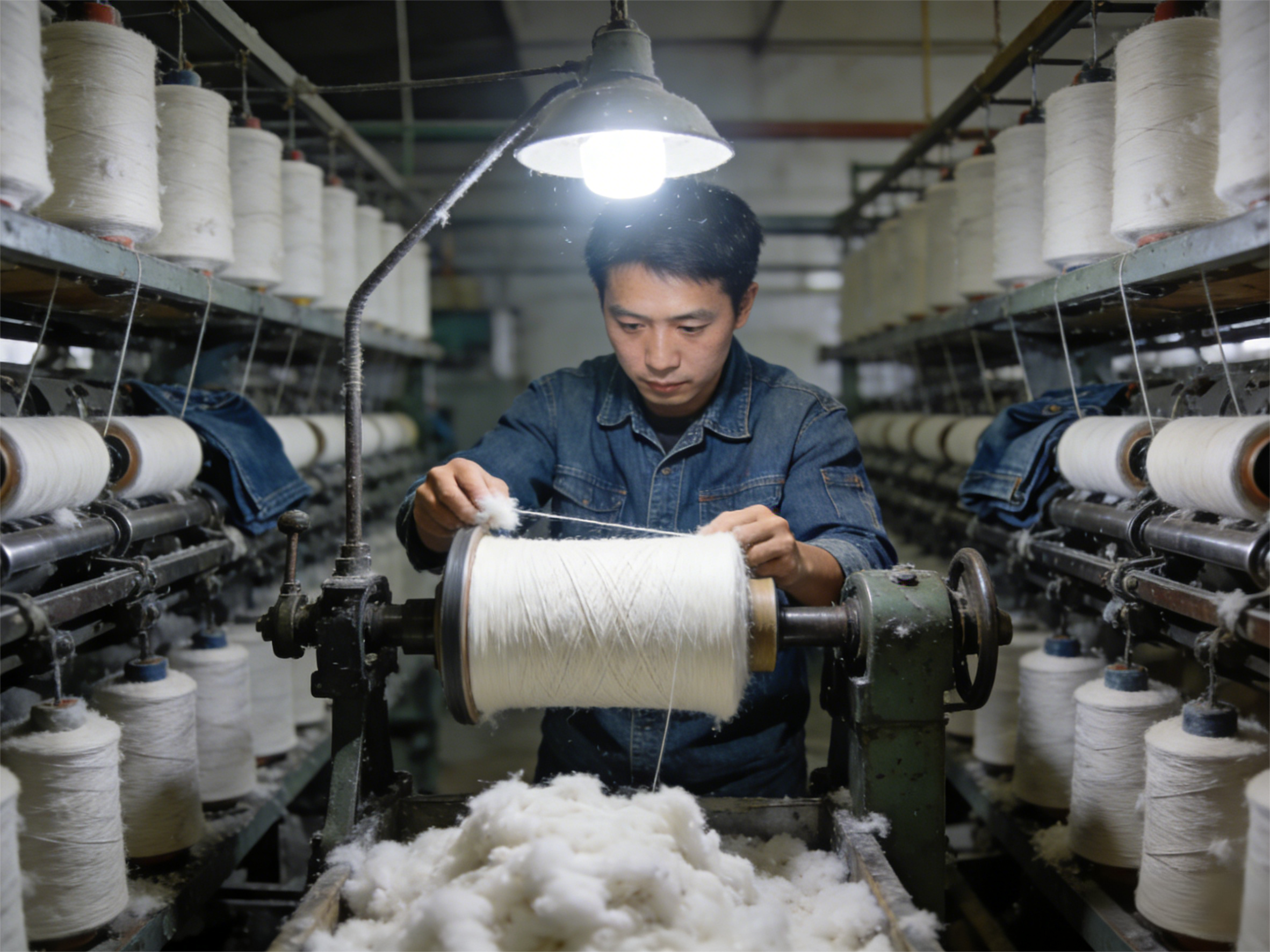
The journey starts with cotton farming. Farmers grow cotton, which is the main raw material for denim. After harvesting, the cotton goes through ginning to remove seeds and impurities. Next, spinning turns the clean fibers into yarn. This step shapes the texture and strength of your jeans. Many companies now use low-impact fibers and innovative blends to make the spinning process more eco-friendly. When you choose sustainable denim, you support these improvements.
Conventional cotton farming uses large amounts of water and chemicals. Each kilogram of cotton can need up to 10,000 liters of water. Pesticides and fertilizers can harm soil, water, and wildlife.
Weaving and Dyeing Denim
Once you have yarn, the next step in the production process is weaving. Factories use twill weaving to create the classic diagonal pattern of denim. After weaving, the fabric is dyed, usually with indigo. Traditional dyeing methods use a lot of water and chemicals, which can pollute rivers and harm workers.
“The traditional denim dyeing process uses synthetic dyes and high water volumes, creating waste and pollution. Newer methods, like air dyeing and bio-based dyes, can cut water use by up to 95% and reduce chemical waste.”
Finishing and Assembly
The final steps in how a pair of jeans is made include cutting, sewing, and finishing. Factories cut the dyed fabric into patterns and sew them together. Finishing often involves distressing, washing, or adding details. These steps can use even more water and chemicals, especially when creating faded or worn looks.
The finishing stage can release toxic substances into local water sources.
New technologies, such as laser finishing and waterless dyeing, help reduce pollution and save resources.
When you pick sustainable denim, you support a cleaner production process and healthier communities.
Sustainable Cotton and Eco-Friendly Fibers
You can make a big difference in denim production by choosing jeans made from sustainable cotton and eco-friendly fibers. These materials help reduce the environmental impact of your clothing. When you look for jeans made with better fibers, you support cleaner water, healthier soil, and safer working conditions.
Organic and Regenerative Cotton
Organic cotton stands out as a key solution for sustainable denim production. You support farming methods that avoid synthetic fertilizers and pesticides. Farmers use natural pest control and rain-fed irrigation, which saves water and protects the environment. Regenerative cotton goes even further by improving soil health and increasing biodiversity.
Only about 3% of global cotton production is certified organic. Some experts believe the real number is less than 1% because of fraud. This small scale makes it hard to achieve large sustainability goals, but every choice you make helps push the industry forward.
You can compare organic cotton and conventional cotton using the table below:
Attribute | Organic Cotton | Conventional Cotton |
|---|---|---|
Water Usage | 14% less water utilized, mostly rainfed | Over 52 trillion liters of irrigation water annually |
Chemical Usage | No synthetic fertilizers or GMOs, natural pest control | 122,481 tons of pesticide and 58,910 tons of insecticide are used annually |
Soil and Energy | 26% less soil erosion, 62% less energy used | Higher soil erosion, higher energy consumption |
Pest Control | Natural methods, no chemicals | Chemical pest control is common |
Certification and Regulation | Strict certification processes like GOTS and OCS | No requirement for organic certification |
Cost | Higher cost due to certification and sustainable practices | Generally lower cost |
Genetic Modification | No GMOs allowed | 75% of all cotton planted is genetically modified |
Market Value | Higher market growth and value | Lower market value for cottonseed |
Feel and Quality | Soft and durable, often perceived as higher quality | Varies, but can be rougher due to chemicals used |
Health and Safety | Reduced pesticide exposure for farmers | Risk of pesticide poisoning (500 deaths per day globally) |
Yield and Production | Lower yield but sustainable methods | Higher yield due to GMOs and chemical inputs |
Carbon Impact | Higher soil carbon retention | Less carbon retention in soil |
Ecological Impact | Lower impact, promotes biodiversity | Higher ecological footprint, impacts biodiversity |
You help protect farmers and the planet when you choose organic cotton. You also support water-saving techniques and healthier ecosystems.
Recycled Cotton and Alternatives
You can also choose jeans made from recycled cotton or other alternative fibers. Some denim is made from 100% recycled cotton, while other blends use 80% organic cotton and 20% recycled cotton. These options help reduce waste and lower the demand for new resources.
Other alternatives to virgin cotton include:
LENZING fibers
Recycled polyester
Linen
Hemp
Recycled nylon
Recycled wool
Natural fibers like cotton biodegrade after use, so you help prevent microplastic pollution in rivers and oceans. Cotton cultivation also helps sequester carbon, which benefits the environment. When you support recycled cotton, you help reduce textile waste and encourage circular economy practices in denim production.
Organic cotton is often rain-fed, which lowers water consumption. Hemp and linen need less water and fewer pesticides than conventional cotton. You can help the planet by choosing these alternatives.
Reducing Water and Chemicals
You can support denim production that uses less water and fewer chemicals. Many brands now use water-saving techniques and innovative processes to make jeans more sustainable.
Here are some new methods that help save water and reduce chemical use:
Innovation Type | Description | Water Reduction Impact |
|---|---|---|
Laser Finishing | Uses lasers to create fades and rips without water. | Up to 90% less water used |
Foam Dyeing | Applies dye with minimal water usage compared to traditional methods. | Significant reduction in water |
Ozone Washing | Uses ozone in a dry tumbler to bleach denim, replacing traditional methods. | Reduces water and chemical use |
Enzyme Washes | Gentle technique that minimizes both water and chemical usage. | Lower water and chemical use |
Closed-loop Dyeing | Recycles water and dyes in a continuous cycle. | Drastically reduces fresh water use |
You can find brands like Saitex that recycle 98% of the water used in production. They even repurpose waste into bricks for housing. Their facilities use renewable energy and meet LEED certification standards.
Other water-saving techniques include:
Ozone fading
Laser abrasion
Nanobubble washing
Smart foam dyeing
Farmers in the U.S. have decreased water application rates by 38% since 1980 by switching to efficient irrigation systems. You support these improvements when you choose jeans made with sustainable cotton. Efficient irrigation and optimized fertilization also help reduce chemical use. Organic and Bt cotton further lower the environmental impact.
You help fight the culture of disposability in fashion when you choose recycled fibers and support circular economy principles. Your choices encourage brands to adopt renewable energy and recycling strategies.
You can make a real impact by choosing jeans made with organic cotton, recycled fibers, and water-saving techniques. Every step you take supports a cleaner, safer, and more sustainable denim production process.
Sustainable Denim Manufacturing
Energy and Water Savings
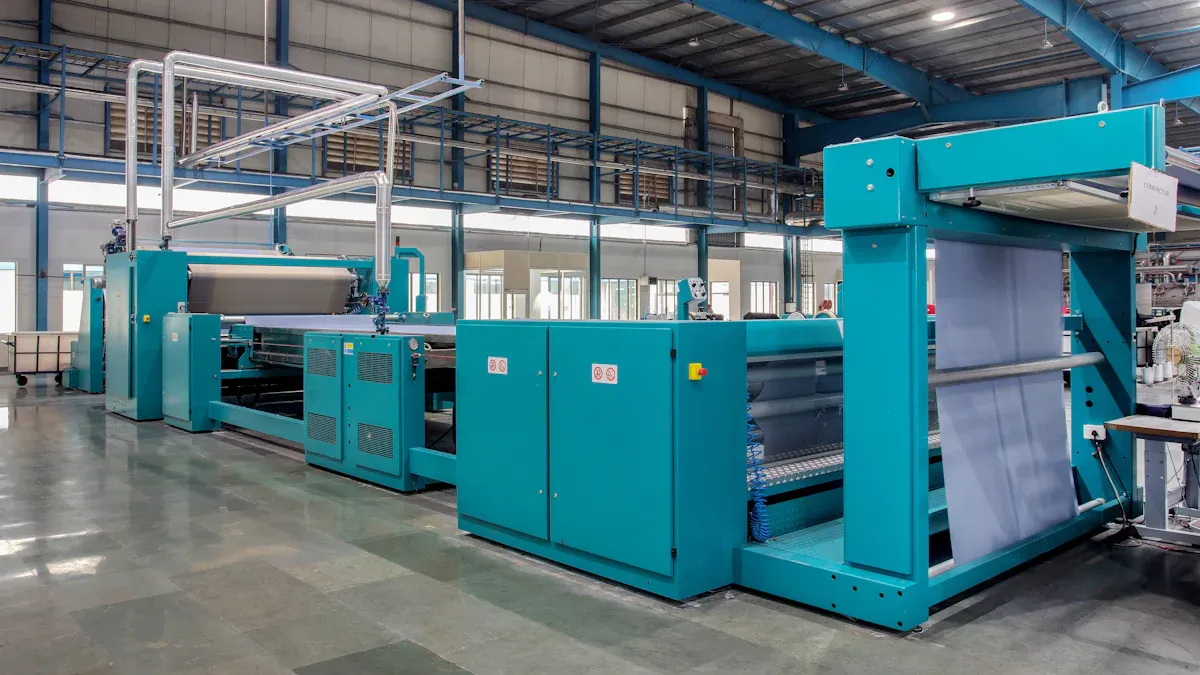
You can help reduce the environmental impact of denim manufacturing by supporting brands that use advanced energy and water-saving strategies. Factories now use closed-loop recycling systems, waterless dyeing methods, and efficient laundry processes. These changes save resources and improve denim quality. Nano-bubble treatments and laser finishing also play a big role in cutting water use by up to 60%. Many mills now run on renewable energy, making denim production cleaner.
Strategy | Description |
|---|---|
Closed-loop recycling systems | Recycle water within the manufacturing process to minimize waste. |
Waterless dyeing methods | Use foam or air dyeing to reduce water usage during dyeing. |
Efficient laundry processes | Advanced machinery and enzyme treatments optimize water and energy use in washing. |
Nano-bubble treatments | Tiny gas spheres with ozone bleach and finish denim, reducing water by 50%-60%. |
Laser finishing | Computer-controlled lasers create designs without water, ensuring precision and repeatability. |
You see measurable outcomes from these technologies, such as lower water and energy consumption, less chemical use, and improved denim performance. Foam dyeing alone can cut water use by 90% and eliminate wastewater.
Safer Dyes and Chemicals
You can choose denim made with safer dyes and chemicals to protect workers and the environment. Factories now use enzymes, ozone, and laccases instead of harsh chemicals. Ozone acts as a bleaching agent and turns back into oxygen and water after use. Laser technology can mimic traditional effects without toxic substances. These methods reduce exposure to harmful chemicals and lower pollution.
Safer dyes and chemicals improve worker health and safety.
Natural and low-impact synthetic dyes help prevent water pollution.
Traditional dyeing causes 20% of global industrial water pollution, so switching to safer options makes a big difference.
You support better denim manufacturing practices when you look for jeans made with these innovations.
Waste Reduction and Upcycling
You can help fight textile waste by choosing denim brands that focus on waste reduction and upcycling. Many companies now collect old jeans and transform them into new products or insulation materials. Programs like Blue Jeans Go Green™ recycle denim into building insulation, keeping tons of textile waste out of landfills. Brands such as Camel Active and Patagonia encourage you to trade in used denim for store credit or vouchers, promoting recycling and reuse.
Upcycled denim becomes stylish clothing, accessories, or insulation.
Some companies use up to 85% recycled denim in their products.
These efforts support the circular economy and reduce landfill waste.
You make a positive impact on denim manufacturing and the planet by supporting upcycling initiatives.
Ethical Labor and Circular Practices
Fair Work and Transparency
You support ethical labor practices when you choose denim from brands that value fair work and transparency. These brands make sure factory workers receive fair wages and work in safe conditions. You can look for companies that prohibit child and forced labor, treat workers with respect, and provide straightforward contracts. Many brands now follow international laws like the EU’s due diligence law and the U.S. Uyghur Forced Labor Prevention Act. They also use digital ledger and blockchain technology to track every step in the supply chain. This helps you see how your jeans are made and who makes them.
Principle | Description |
|---|---|
Fair Wages | Ensuring workers receive fair compensation for their labor. |
Safe Working Conditions | Providing a hazard-free environment for all employees. |
No Child or Forced Labor | Prohibiting the use of child labor and forced labor in the supply chain. |
No Discrimination | Ensuring equal treatment and opportunities for all workers. |
Environmental Care | Commitment to sustainable practices that protect the environment. |
Community Development | Supporting local communities through various initiatives. |
Transparency | Maintaining openness about practices and conditions in the supply chain. |
You help improve lives and protect the environment when you support brands that follow these principles.
Circular Economy in Jeans
You help reduce waste and extend the life cycle of your jeans by supporting the circular economy. This approach encourages you to repair, reuse, and recycle denim instead of throwing it away. You can choose jeans that last longer and join rental or resale programs. These business models help you get more use out of each pair and keep clothing out of landfills. When you value durability over disposability, you help lower the demand for new garments and decrease textile waste.
Repair, reuse, and recycling keep jeans in use longer.
Rental and resale markets let you enjoy denim without buying new pairs.
You help protect the planet by choosing durable jeans and supporting circular business models.
Recycling and Take-Back Programs
You make a big impact when you participate in recycling and take-back programs. Many brands now collect old jeans and recycle them into new products or insulation. The Blue Jeans Go Green initiative turns used denim back into fiber, partnering with companies to create building materials. When you recycle your jeans, you help close the loop and support a more sustainable denim industry. A lifecycle assessment shows that reusing a garment can lower environmental impact by up to 70 times compared to making a new item. You save water and reduce CO₂ emissions when you choose recycling over disposal.
You can drop off old jeans at participating stores for recycling.
Brands use recycled denim to make new clothing, accessories, and insulation.
Recycling helps reduce landfill waste and supports the circular economy.
You encourage more brands to offer take-back programs by participating.
Tip: Always check if your favorite denim brand offers recycling or take-back options. Your actions help build a more sustainable future for fashion.
Choosing a Sustainable Pair of Jeans
Certifications and Standards
When you shop for denim jeans, you can look for trusted certifications for sustainable denim. These certifications help you identify brands that meet high standards for environmental care and ethical practices. The table below shows some of the most important certifications you might see on denim jeans:
Certification | Accredited by | Used for | Why it matters |
|---|---|---|---|
Fair for Life | Ecocert | Fairtrade and ethical supply chains | Ensures fair wages and ethical practices throughout the supply chain. |
WRAP | WRAP | Ethical manufacturing practices | Promotes ethical, safe, and lawful production in the global apparel industry. |
GOTS | Global Standard gGmbH | Organic fibers, textiles, and clothing | Ensures textiles are made from at least 70% organic fibres and meet strict environmental and social standards. |
Bluesign | Bluesign Technologies AG | Sustainable textile production | Ensures textiles are produced with minimal environmental impact by evaluating the entire production chain. |
You can trust these labels because they come from independent organizations. Certifications like GRS and RCS give you third-party proof that recycled fibers in denim jeans meet strict industry standards. OEKO-TEX and Bluesign focus on chemical safety and responsible processing. These certifications build trust and hold brands accountable for their claims.
Tip: Always check for certifications for sustainable denim when you buy new jeans. These labels help you make informed choices and support responsible brands.
What Consumers Can Do
You have the power to make a difference every time you choose denim jeans. Here are some practical steps you can take:
Choose quality over quantity. Buy durable denim jeans that last longer.
Shop secondhand or join clothing swaps to extend the life of denim jeans.
Repair your jeans instead of throwing them away.
Support brands that use renewable energy and recycle water, like Saitex, which recycles 98% of its water and turns waste into building materials.
Advocate for extended producer responsibility so brands stay accountable for their products.
Learn about sustainable practices and share your knowledge with friends and family.
By making these choices, you help reduce waste and lower the environmental impact of denim jeans. When you support brands that invest in renewable energy and recycling, you encourage the whole industry to improve. Every action you take helps create a more sustainable future for denim jeans.
You help shape a better future when you choose a sustainable pair of jeans. You support eco-friendly materials, responsible manufacturing, and ethical practices. A sustainable pair of jeans saves water and energy. You protect workers and communities by picking a sustainable pair of jeans. Look for trusted certifications before you buy a sustainable pair of jeans. You inspire others to make smart choices when you wear a sustainable pair of jeans.
Tip: Every time you select a sustainable pair of jeans, you make a difference for people and the planet.
FAQ
What makes denim jeans sustainable?
You support sustainability when you choose jeans made with organic or recycled fibers, water-saving processes, and ethical labor. Look for certifications like GOTS or Bluesign. These features help reduce pollution and protect workers.
How can you tell if a brand uses ethical practices?
You can check for transparency reports, certifications, and fair labor standards. Brands often share details about wages, working conditions, and supply chain audits. Look for Fair for Life or WRAP labels.
Do sustainable jeans cost more?
You may pay a higher price for sustainable jeans. The cost reflects better materials, fair wages, and eco-friendly production. You invest in quality and support responsible practices.
Can you recycle old denim jeans?
You can recycle old jeans through take-back programs or local recycling centers. Many brands accept used denim and turn it into new products or insulation. This helps reduce landfill waste.
What are the best certifications to look for?
You should look for GOTS, Bluesign, Fair for Life, and WRAP. These certifications show that jeans meet strict standards for environmental care and ethical labor. They help you make informed choices.