
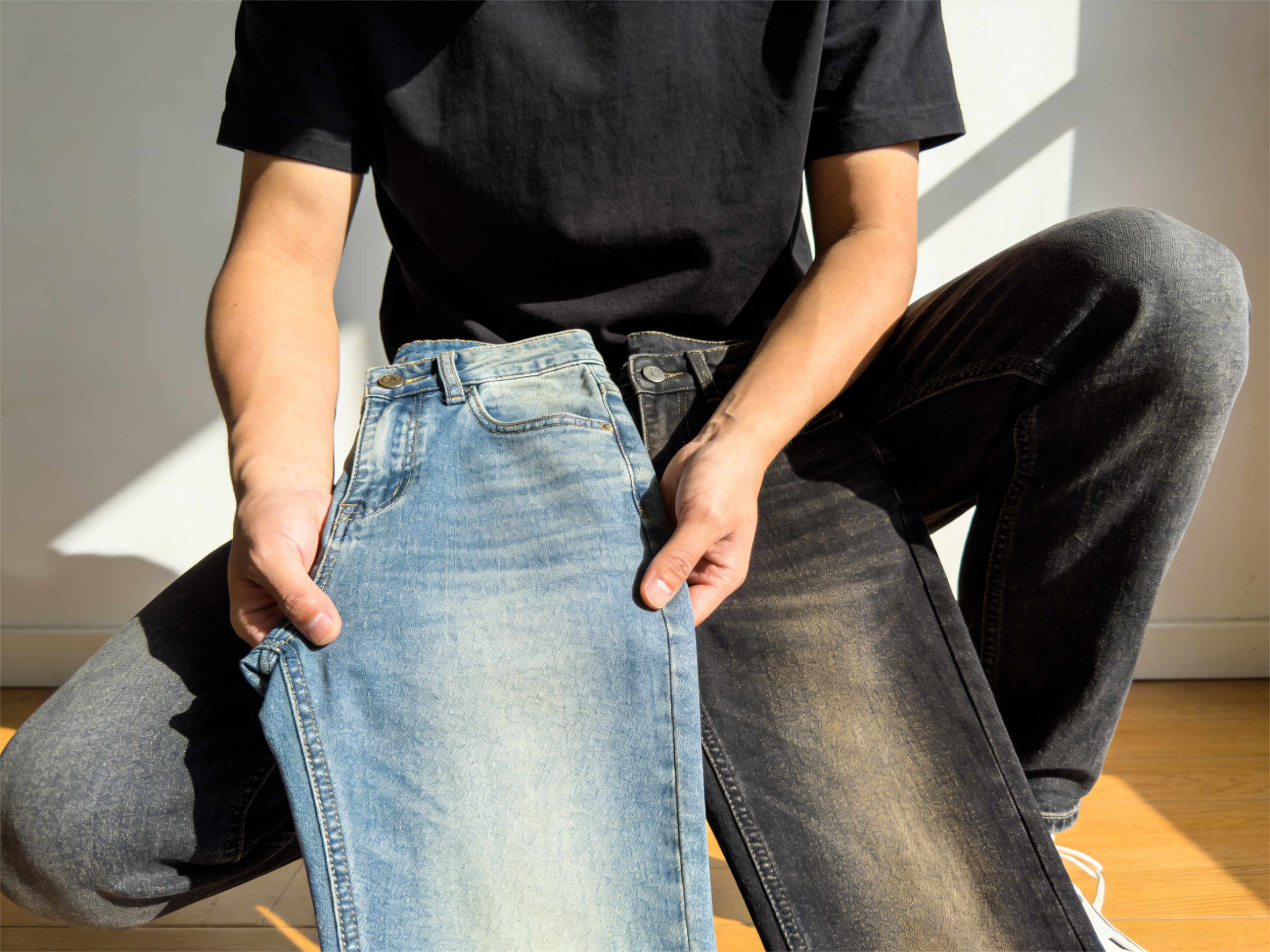
You might not realize how much denim washing techniques change your jeans. The way you treat your denim impacts color, fit, and durability. If you love exploring different denim styles, you need to understand how washing your jeans affects them. Textile studies show that wash frequency matters. For casual wear, you should wash every 8–10 wears. If you work outdoors or sweat a lot, aim for every 3–6 wears. Raw denim stays fresh longer if you wash it as little as possible.
Lifestyle Type | Recommended Wash Frequency |
|---|---|
Casual wear (office, errands) | Every 8–10 wears |
Active use (construction, outdoor work) | Every 3–5 wears |
Hot climates or heavy sweating | Every 4–6 wears |
Raw denim (first 6 months) | As infrequently as possible |
Key Takeaways
Wash your jeans less often to maintain color and fit. Aim for every 8–10 wears for casual use.
Turn jeans inside out before washing. This protects the dye and helps keep the color vibrant.
Use cold water and a gentle cycle to prevent fading and shrinking. This method is kinder to the fabric.
Choose eco-friendly washing techniques like enzyme or laser washes. These methods are better for the environment and keep your jeans looking great.
Repair small holes quickly to prevent them from getting worse. This simple step can extend the life of your jeans.
Effects Of Denim Washing Techniques
Appearance And Color
When you try different denim washes, you notice big changes in how your jeans look. Some washes create bold fades and whiskers, while others keep the color dark and rich. If you love distressed denim, you probably go for washes that add character—think stone wash or acid wash. These methods use abrasion or chemicals to break down the dye, which gives you that worn-in, vintage vibe. On the other hand, a plain rinse wash keeps your jeans looking crisp and deep blue.
You might wonder why some jeans fade faster than others. The answer lies in the washing process. Industrial denim washes like enzyme-bleach-stone or acid wash can strip away color and weaken the fabric. Studies show that these methods change the strength of the fabric and seams, which means the color fades more quickly. If you want your jeans to stay dark, choose gentle washes and avoid harsh chemicals.
Turning your jeans inside out before washing helps protect the color. Cold water also slows down fading. If you want to keep your denim looking new, wash less often and skip the dryer. Each time you wash, you risk losing a bit of that original color.
Fit And Comfort
Denim washes do more than change the look—they also affect how your jeans feel and fit. When you wash jeans, the fibers relax and soften. This makes them more comfortable, especially if you wear raw denim that starts out stiff. Some washes, like enzyme or rinse, make the fabric smoother and less scratchy. If you like your jeans to feel broken-in right away, look for denim washes that promise extra softness.
Stretch denim reacts differently to washing than 100% cotton. High-performance denim uses elastic fibers, so it stretches and bounces back. If you wash stretch jeans too often, the fibers can break down and lose their shape. You can keep your jeans fitting well by washing them inside out, using cold water, and choosing a gentle cycle. This helps preserve both the stretch and the color.
Here are some quick tips for keeping your jeans comfy and fitted:
Wash infrequently to keep the fit and color.
Always turn jeans inside out before washing.
Use cold water and a gentle cycle to protect the fibers.
If you follow these steps, your jeans will stay soft and hold their shape longer.
Durability And Lifespan
How long your jeans last depends a lot on the denim washes you choose. Some methods, like stone and acid wash, create that cool distressed denim look but can weaken the fabric. The abrasion and chemicals used in these washes break down the fibers, which means your jeans might wear out faster. If you want jeans that last, you should know how each method affects durability.
Take a look at how different washing methods impact the strength of your jeans:
Washing Method | Effect on Durability |
|---|---|
Stone and Acid Wash | Weaken fibers through abrasion and chemical stress |
Enzyme, Rinse, Ozone | Maintain better fabric integrity |
Laser Washing | Avoids mechanical stress entirely |
If you want your jeans to last for years, go for enzyme, rinse, or ozone denim washes. These methods clean and soften the fabric without causing much damage. Laser washing is another great option because it creates a distressed denim look without actually wearing down the fibers.
You can make your jeans last longer by following a few simple rules. Wash less often, use gentle cycles, and avoid harsh chemicals. When you care for your jeans, you get more wear out of every pair.
Tip: If you love distressed denim but want your jeans to last, look for washes that use lasers or enzymes instead of heavy abrasion.
By understanding how denim washes affect appearance, fit, and durability, you can pick the best methods for your style and needs. Whether you want bold fades or jeans that last, the right washing routine makes all the difference.
Types Of Denim Washes

You have so many choices when it comes to types of denim washes. Each method gives your jeans a unique look and feel. Let’s break down the most popular washing techniques and see how they affect your denim.
Plain Wash
Plain wash is the most basic type of denim washing. You clean your jeans at high temperatures with regular detergent. This method works well for medium wash denim and dark wash denim. You get a fresh, clean look without much fading. If you have stretch denim, use cold water and a gentle cycle to protect the fibers.
Desizing
Desizing removes the starch from denim fabric. You soak your jeans in warm water with special enzymes or mild detergents. This process softens the denim and starts controlled shrinking.
Step | Description |
|---|---|
Desizing | Denim garments are washed in warm water with desizing enzymes or mild detergents to remove sizing agents, which are typically starch. This process softens the fabric and begins controlled shrinkage. |
Enzyme Wash
Enzyme wash uses natural enzymes to break down fibers and create a soft feel. You get a faded look, perfect for light wash denim. This method is popular because it uses less water and energy than traditional washing. If you want eco-friendly washing methods, enzyme wash is a great choice.
Enzyme washes reduce water and energy use, and produce less pollution than regular washing.
Ice Enzyme Wash
Ice enzyme wash combines cold water and enzymes. You get a crisp, cool finish and gentle fading. This technique works well for dark wash denim and medium wash denim. It keeps the fabric strong and soft.
Bleach Wash
Bleach wash uses chemicals to lighten denim. You see vibrant fading and bold patterns, especially on acid wash denim and stone wash denim. The process can weaken fibers, so wash gently if you want your jeans to last.
Bleaching Agent | Description |
|---|---|
Sodium Hypochlorite | Destroys indigo dye, fading dark-blue fabrics. |
Potassium Permanganate | Creates snowflake-like white dots on denim. |
Hydrogen Peroxide | Used for fading or whitening fabrics. |
Ocean And Salt Wash
Ocean and salt wash give denim a unique texture. Ocean wash creates a smooth, even fade with a matte finish. Salt wash gives you a rugged, uneven texture—great for statement looks. Both types of denim washes preserve structure, but salt wash denim may feel stiff at first.
Feature | Ocean Wash | Salt Wash |
|---|---|---|
Texture | Smooth, even fade | Rugged, uneven texture |
Finish | Matte, subtle shifts | High-contrast light and dark areas |
Durability | Flexible, sturdy | Stiff initially, softens over time |
Eco-Friendly Washes
Eco-friendly washing methods include laser finishing and ozone washing. These types of denim washes use less water and energy. Laser finishing creates patterns without water. Ozone washing fades indigo dye with gas, not chemicals. You help the planet and get stylish jeans.
Modern eco-friendly washes can cut water use by up to 90% compared to traditional washing.
If you want your jeans to last, always check the care label. Use cold water for cotton and stretch denim. Choose gentle detergents and skip the dryer when possible. You’ll keep your favorite acid wash denim, stone wash denim, and light wash denim looking fresh.
Raw Vs. Pre-Washed Denim
Raw Denim
If you want jeans that tell your story, raw denim is the way to go. You get a pair that starts out stiff and dark. As you wear them, the fabric shapes itself to your body. Every movement creates lighter spots where the indigo fades. Over time, your raw denim shows unique patterns that reflect your habits. You might see whiskers at the knees or honeycombs behind the knees. No two pairs look the same.
Raw denim needs special care. You should wash it less often. This helps you build a personal patina and keeps the color strong. When you do wash raw denim, use cold water and gentle detergent. Heat, moisture, and agitation can shrink the cotton fibers. If you want to avoid shrinking, skip the dryer and let your jeans air dry.
Tip: Wash raw denim only when needed. This keeps your jeans looking fresh and helps them last longer.
Pre-Washed Denim
Pre-washed denim gives you comfort and style right from the start. Manufacturers use different techniques to soften the fabric and create a worn look. You get jeans that feel broken-in and fit well on day one. The color stays more consistent, and you see fewer dramatic fades.
Here are some common pre-washing techniques:
Basic wash and desizing smooth out the fabric.
Whisker adds faded crease lines.
Stone wash uses pumice stones for a vintage look.
Enzyme wash softens and fades the denim.
Snowflake wash creates white spots.
PP spray controls fading.
Acid and bleach wash add bold patches.
Sand washing gives a matte finish.
Destruction wash creates rips and frays.
Laser wash burns patterns for a modern touch.
Pre-washed denim is easier to care for. You can wash it more often without worrying about losing shape or color. The fabric is stable, so you get reliable wear.
Washing Impact
Your choice between raw denim and pre-washed denim changes how you care for your jeans. Raw denim needs less frequent washing. This helps you create a unique look and keeps the fabric strong. Pre-washed denim can handle regular washing. The pre-treatment makes it tough and keeps the color longer.
Feature | Raw Denim | Pre-Washed Denim |
|---|---|---|
Appearance | Unique fading, personal patterns | Consistent color, less dramatic fade |
Longevity | Ages with your wear | Gradual wear, less personalized |
Care | Wash less often, gentle methods | Easy care, frequent washing OK |
If you want jeans that change with you, pick raw denim. If you want easy care and a ready-to-wear look, pre-washed denim is your best bet.
Practical Denim Washing Tips
Minimizing Fading And Shrinking
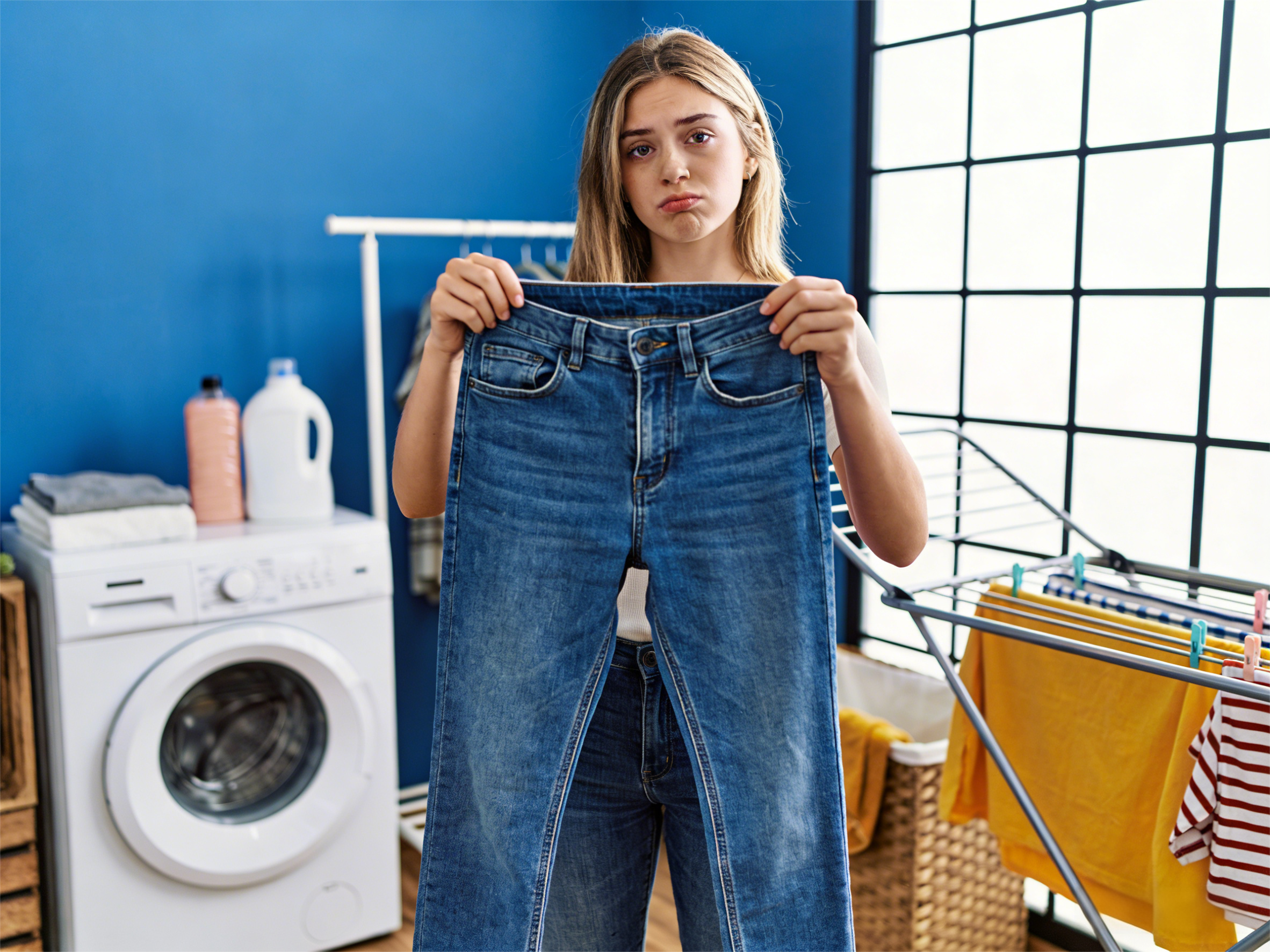
You want your denim to look fresh and fit well after every washing. Experts recommend a few simple steps to help you keep your jeans from fading or shrinking. Always turn your jeans inside out before you wash them. This protects the dye and keeps the color strong. Use cold water instead of hot water. Cold water helps maintain the original size and stops the dye from bleeding. Pick a gentle cycle on your machine to reduce friction and wear. Choose a mild, color-safe detergent and skip fabric softener.
Here’s a quick table to show why cold water is best:
Factor | Cold Water Wash (Recommended) | Hot Water Wash (Not Recommended) |
|---|---|---|
Shrinkage Risk | Low | High |
Color Retention | Excellent | Poor |
Fabric Integrity | Gentle | Harsh |
Energy Use | Low | High |
Best Practices For Longevity
If you want to extend the lifecycle of your jeans, you need to follow a few best practices. Wash your denim less often. More frequent washing wears out the fibers and fades the color. Air out your jeans between wears instead of tossing them in the wash. When you do wash, always use cold water and a gentle cycle. Air dry your jeans instead of using a dryer. Drying with similar-weight fabrics helps prevent friction and tears. Avoid fabric softeners because they can weaken the denim.
Here are some easy tips:
Repair small holes and reinforce high-stress areas before they get worse.
Store jeans by folding along the seams or hanging them to keep their shape.
Invest in high-quality denim for better durability.
Tip: Patch small holes quickly to stop them from growing.
Choosing The Right Technique
Picking the proper washing methods for jeans depends on your priorities. If you want to keep your jeans dark and fitted, use cold water, gentle cycles, and color-safe detergent. For distressed or faded looks, you can use special washes, but remember these can shorten the life of your denim. Always check the care label for instructions. If you own raw denim, wash as little as possible and air dry. For pre-washed denim, you can wash more often, but still use gentle techniques.
Ask yourself what matters most: color, comfort, or durability. Choose the washing routine that fits your style and helps you get the most out of every pair.
You’ve seen how denim washing techniques shape the look, comfort, and lifespan of your jeans. Some methods, like enzyme or laser washes, keep denim eco-friendly and soft. Others, such as bleach or acid wash, create bold styles but may weaken the fabric. If you want your jeans to last, wash less often, use cold water, and air dry. Check out this quick reference guide for easy care:
Instructions | |
|---|---|
After Every Wear | Air out, hang or fold, spot clean |
Every 10–15 Wears | Turn inside out, cold gentle wash |
Never | Hot water, dryer heat, bleach |
Choose what matters most to you—appearance, durability, or eco-friendliness. With the right care, your jeans can look great for years! 👖
FAQ
How often should you wash your jeans?
You don’t need to wash jeans after every wear. Try washing them every 8–10 wears for casual use. If you sweat a lot or work outside, wash them more often.
Can you put jeans in the dryer?
It’s best to air dry your jeans. The dryer can shrink denim and fade color. Hang them up or lay them flat to keep the fit and look.
What’s the safest way to wash dark jeans?
Turn your jeans inside out. Use cold water and a gentle cycle. Pick a mild detergent. This routine helps keep the color rich and prevents fading.
Do eco-friendly denim washes really make a difference?
Yes! Eco-friendly washes use less water and energy. You help the planet and still get stylish jeans. Look for terms like “ozone wash” or “laser finish” on the label.