
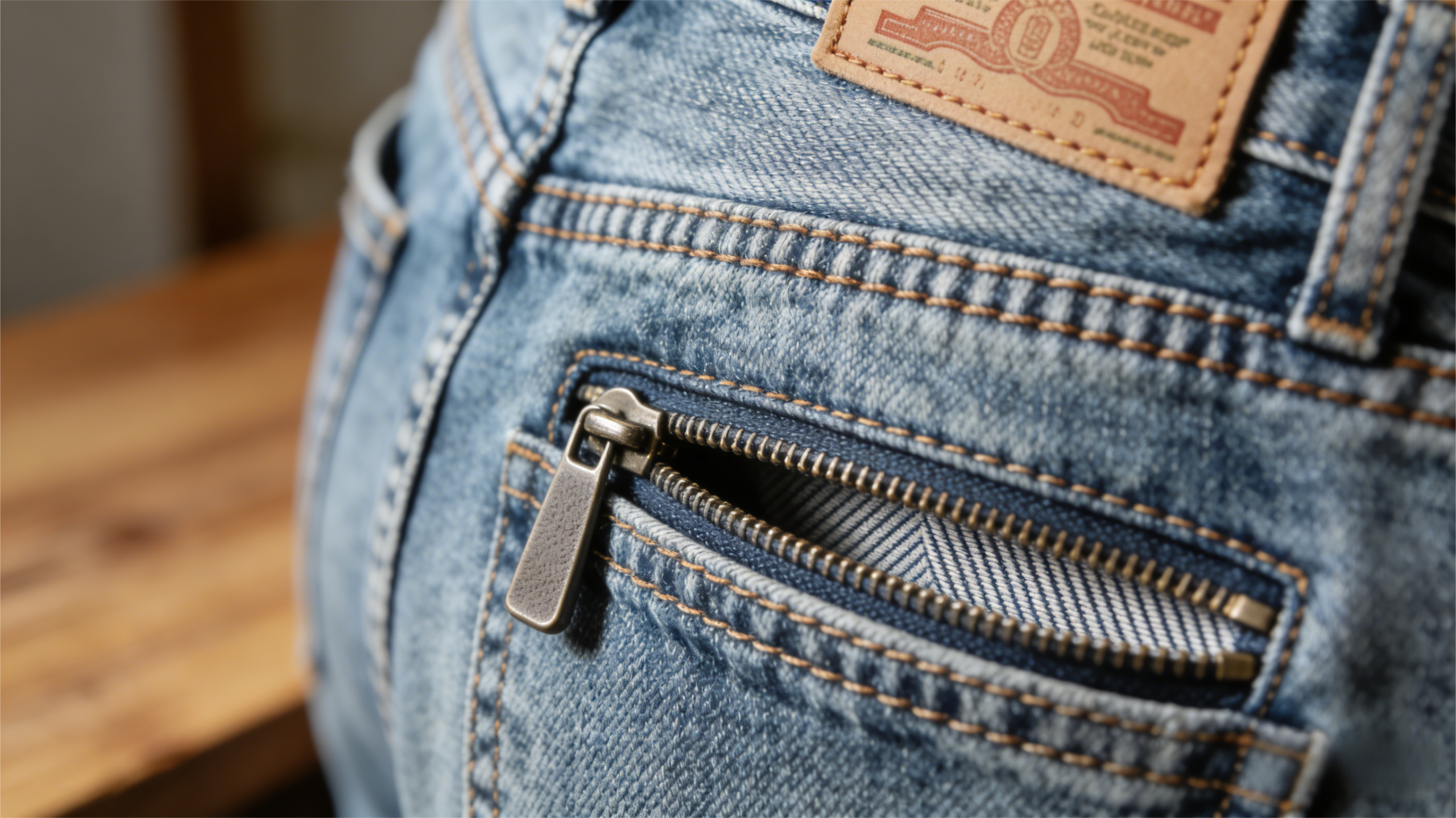
You probably know that comfort matters most when you pick out jeans, but do you ever wonder what makes the difference? Hidden Quality Details—like soft fabrics, clever stitching, and smart design—change how your jeans feel all day long. Many people miss these subtle touches. When you shop, check for these signs. They can turn a regular pair into your favorite.
Key Takeaways
Look for soft fabrics like 100% cotton or lightweight twill for breathable comfort in jeans.
Check for reinforced seams and flat-felled seams to ensure durability and long-lasting wear.
Choose jeans with ergonomic waistbands for a better fit that adapts to your body shape.
Pay attention to tagless labels and smooth linings to avoid discomfort and irritation.
Inspect care tags for fiber content and care instructions to maintain the quality of your jeans.
Hidden Quality Details in Fabric
Softness & Breathability
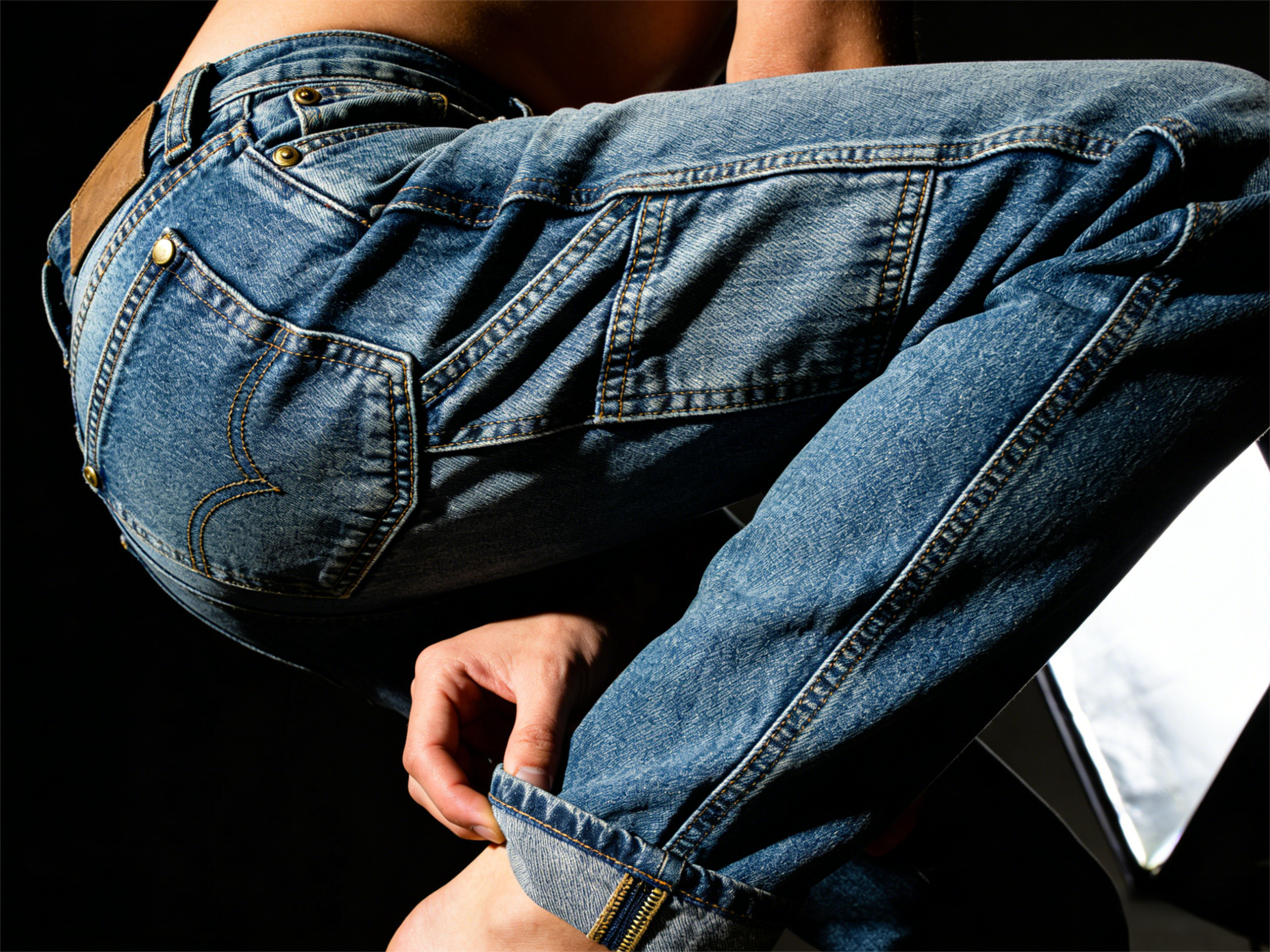
When you slip into a pair of jeans, you want them to feel soft and let your skin breathe. That comfort starts with the fabric. Some jeans use 100% cotton, which feels naturally soft and lets air flow easily. Cotton keeps you cool and comfortable, especially on warm days. If you see jeans made with lightweight twill, you’ll notice they feel soft and supple right away. Heavier denim, like heavyweight twill, feels more rigid at first but softens with each wear, molding to your body over time.
Here’s a quick look at how different denim fabrics compare:
Fabric Type | Weight (oz/yd²) | Hand-Feel | Drape | Use Cases |
|---|---|---|---|---|
Lightweight Twill | 8–10 | Soft, supple | Fluid; folds gracefully | Denim shirts, dresses, joggers |
Midweight Twill | 11–13 | Firm, balanced | Structured but comfortable | Classic jeans, jackets |
Heavyweight Twill | 14–16 | Substantial, rigid | Maintains crisp lines | Raw denim, outerwear |
You might also see jeans with a blend of cotton and synthetic fibers. Cotton gives you that soft, breathable feel. Synthetic fibers, like polyester, add strength and a bit of stretch, but they can make the fabric less breathable. If you want jeans that balance comfort and durability, look for blends like 65% cotton and 35% polyester. Just remember, adding elastane or spandex makes jeans stretchier but can reduce how much air gets through.
Tip: Premium jeans often go through special washes, like enzyme or softening treatments. These make the fabric even softer and more comfortable, without losing breathability.
Selvedge denim stands out as a sign of quality. It’s made on old-fashioned shuttle looms, which create a tight, clean edge that won’t fray. This type of denim feels sturdy but softens beautifully with wear. You’ll notice it lasts longer and feels better every time you put it on.
Stretch & Recovery
You want jeans that move with you but don’t lose their shape. That’s where stretch and recovery come in. When denim has a little elastane or spandex, it stretches as you bend or sit, then snaps back to its original shape. This keeps your jeans looking sharp and feeling comfortable all day.
Let’s break down how elastane affects your jeans:
Elastane Percentage | Stretch Capacity | Characteristics |
|---|---|---|
2% | Moderate (up to 30%) | Comfortable stretch, keeps structure |
5% | High (30–60%) | Super stretchy, hugs your body, quick recovery |
Higher elastane means more flexibility and comfort.
Lower elastane keeps jeans looking structured.
If you want jeans that fit close and move with you, 5% elastane is a great choice.
You might wonder how 100% cotton jeans compare to blends. Cotton jeans start out stiff but soften and mold to your body over time. They can stretch out at the knees or seat, though, and may shrink if you wash them hot. Blended jeans, with synthetic fibers, keep their shape better and resist sagging. They also shrink less, so you get a more consistent fit.
Feature | 100% Cotton Jeans | Denim Blend Jeans |
|---|---|---|
Stretch & Flexibility | Minimal, stiff at first | High, easy movement |
Durability | Very durable if cared for | Slightly less durable |
Comfort Over Time | Molds to your body | Keeps shape, resists sagging |
Shrinkage Risk | High if not pre-shrunk | Low, blends resist shrinking |
Selvedge denim also shines here. Its dense weave and strong edges mean it holds up to lots of wear and washing. Over time, you’ll see unique fading lines—like whiskers and honeycombs—appear on your jeans. These marks show off the quality of the fabric and tell your story as you wear them.
Note: Hidden Quality Details like selvedge edges, traditional indigo dye, and unique fading lines are more than just looks. They prove your jeans are made to last and get better with age.
When you pay attention to these Hidden Quality Details in fabric, you get jeans that feel great, fit well, and last longer. Next time you shop, check the label and feel the fabric. You’ll notice the difference right away.
Construction Techniques
Reinforced Seams
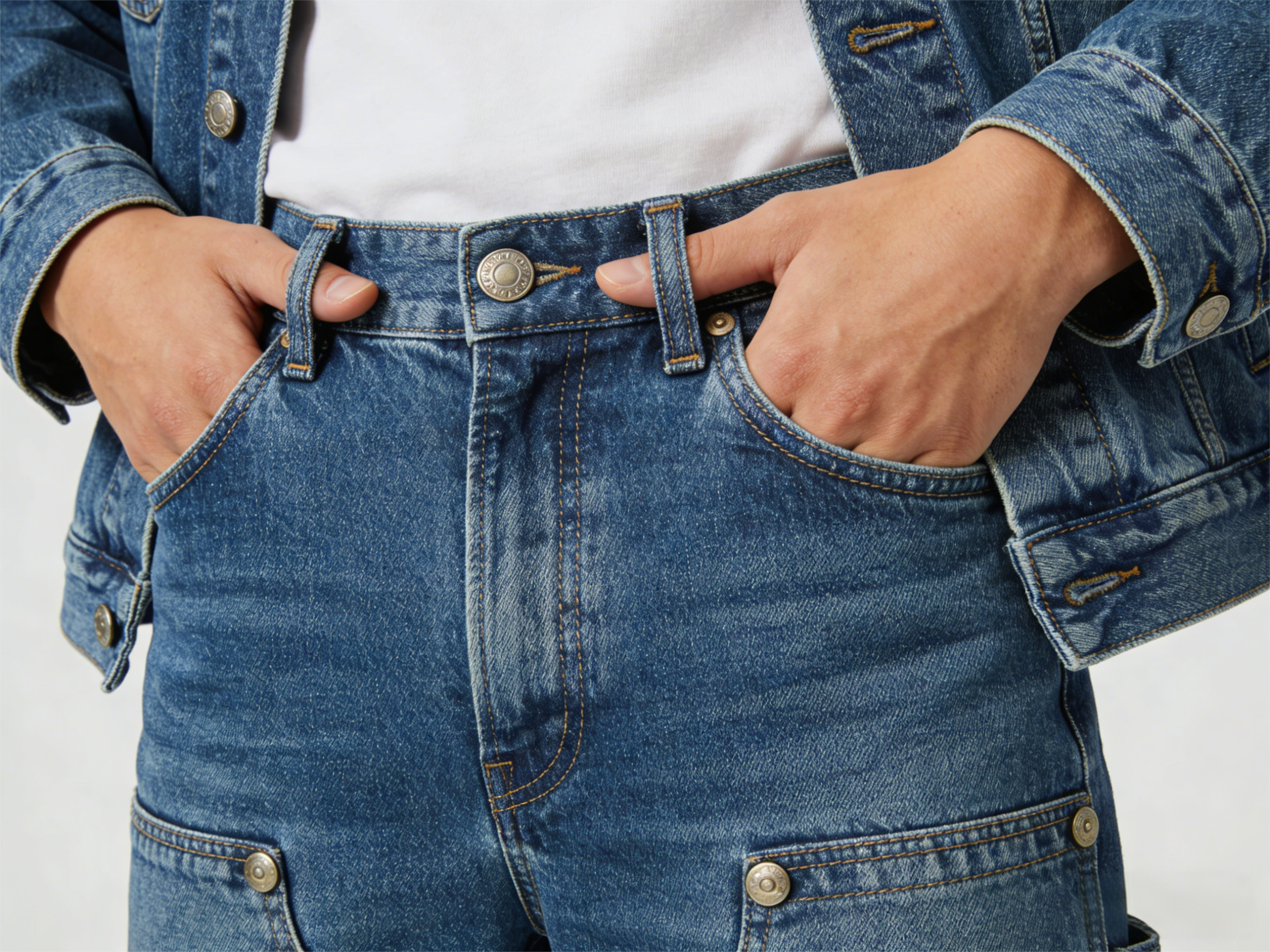
You might not notice the seams on your jeans at first, but they play a huge role in how long your jeans last and how comfortable they feel. Reinforced seams act like armor for your denim. They protect against wear and tear, especially in spots that get a lot of stress, like the crotch and pockets. If you walk or cycle a lot, these seams help your jeans keep their shape and prevent thinning. Double-stitching and bar tacks at stress points make sure your jeans stay strong, even after many washes.
Here are some advanced stitching methods you’ll find in high-quality jeans:
Stitching Method | Description |
|---|---|
Edge-stitching | A narrow topstitch that holds seams in place and provides reinforcement. |
Bartack fly | A strong reinforcement stitch using closely located zig-zags with lengthwise stitches. |
Topstitch inseam operation | Reinforces the inseam, ensuring the underlying seam lays properly, especially at the crotch seam. |
Multi-needle chain stitch | Used for creating finished edges on waistband bands. |
Double-needle lockstitch | Forms a decorative stitch on the top while protecting raw edges on the bottom. |
Computer-controlled buttonhole | Sets the length and number of stitches for buttonholes, reducing skill required for sewing. |
Rivet placement | Custom rivets are used for reinforcement, with placement guided by specifications for style features. |
Tip: When you see overlapping stitch lines and visible topstitching, you know your jeans have extra reinforcement. These Hidden Quality Details make a real difference in everyday comfort.
Flat-Felled Seams
Flat-felled seams are another sign your jeans are built to last. You’ll find these seams along the inseam and outseam. They look neat and feel smooth against your skin. The edges tuck inside, so nothing rubs or irritates your legs. This technique gives your jeans a professional look and keeps them from fraying, even after lots of wear.
Benefit | Explanation |
|---|---|
The seam is designed to withstand heavy wear and frequent washing, ensuring durability. | |
Fray Resistance | The edges are tucked in completely, preventing unraveling over time. |
Professional Look | The seam appears tidy on both sides, enhancing the garment’s overall quality. |
Versatile Use | Suitable for various fabric types, including denim and lighter materials. |
You might spot a hidden feature in the pocket called the vesti turtle. It’s a small detail that adds character to your jeans over time. These little touches show the care and craftsmanship that go into making jeans you’ll love to wear.
If you pay attention to these construction techniques, you’ll find jeans that feel better, last longer, and look great. Next time you shop, check the seams and stitching. You’ll start to spot the Hidden Quality Details that set your favorite jeans apart.
Thoughtful Design Features
Ergonomic Waistbands
You know that feeling when jeans dig into your waist or slide down as you move? The right waistband design can fix that. Many people find curved waistbands much more comfortable, especially if you have a unique body shape. Curved waistbands follow your natural curves, so they sit better and feel softer all day. Some brands cut waistbands on the grain, but that can make them shrink and feel tight over time, especially with natural fibers. If you want jeans that stay comfy, look for those with a curved waistband and a bit of stretch.
Curved waistbands fit better for different body shapes.
Waistbands cut on the grain may shrink and get tighter.
Natural fibers can shrink more, so pay attention to the fabric blend.
Pocket Placement
Pockets might seem simple, but their placement changes how your jeans feel and work. Designers listen to real people and test pocket positions to make sure you get comfort and easy access. Maryl O’Connell, a denim design director, says pocket design is key for how jeans function. Natalia Seragini, another denim expert, points out that thoughtful pocket placement makes jeans more practical for daily life.
Designers use feedback to place pockets where they feel best.
Good pocket design means you can use your pockets without feeling bulky or awkward.
Well-placed pockets add to the overall comfort and style of your jeans.
Tagless Labels & Linings
Nothing ruins a good pair of jeans like an itchy tag or rough lining. That’s why many brands now use tagless labels and smooth, seamless linings. Ultra-soft, hypoallergenic, and breathable materials help keep your skin happy. Tagless designs mean you won’t feel anything scratchy against your back. Seamless construction also stops rough edges from rubbing or causing irritation.
Tagless labels prevent itching and discomfort.
Smooth linings and seamless designs protect sensitive skin.
Breathable, soft materials keep you cool and comfortable.
You’ll also notice that brands offer a wide range of fits. Hourglass figures often love mid-rise jeans that hug the waist. Pear shapes look great in jeans that make legs look longer. Apple shapes can try high-rise, straight-leg styles for a more defined waist. Rectangular and athletic builds have options too, like tapered or low-rise jeans. Skinny, slim, straight, and bootcut styles give everyone a chance to find their perfect fit.
When you pay attention to these thoughtful design features, you discover Hidden Quality Details that make your jeans feel like they were made just for you.
Quality Control & Finishing Touches
Consistent Sizing
You want jeans that fit right every time. Leading denim makers use strict quality control at every step to make sure sizing stays consistent. They check the fabric for flaws, measure cut panels, and inspect stitching. Before jeans leave the factory, workers measure the waist, hips, inseam, and more against a size chart. This process helps you avoid surprises when you try on a new pair.
Stage of Production | |
|---|---|
Fabric Inspection | Check for weaving defects, shade variation, slubs, stains, or holes. Verify GSM, shrinkage, and color fastness. |
Cutting Inspection | Verify cut panels against pattern for correct shape, size, and grain line. Ensure no visible fabric defects. |
Sewing Quality Check | Inspect stitching for uniformity, tension balance, and seam strength. Confirm correct thread color and stitch density. |
In-Process Inspection | Randomly inspect during sewing to catch errors early and ensure compliance with measurement charts. |
Final Measurement Check | Measure waist, hip, inseam, outseam, rise, and leg opening against buyer’s size chart and tolerance levels. |
Tip: Consistent sizing means you can trust your favorite brand to fit well, no matter the style.
Gentle Washes
You love jeans that feel soft and broken-in from the start. Gentle washing techniques help achieve this comfort. Brands use cold water and wash jeans less often to protect the fabric and indigo dye. This careful approach keeps the fibers strong and the color rich. Your jeans stay comfortable and hold their shape longer. You get that lived-in feel without waiting months for the denim to soften.
Note: Gentle washes make premium jeans feel cozy and flexible, while harsh washes can damage the fabric and fade the color.
Inner Care Tags
When you check the inside of your jeans, you’ll find care tags with important details. These tags show the fiber content, care instructions, and country of origin. If you see “Made in U.S.A.”, you know you’re holding a pair with a reputation for quality. Vintage jeans with this label often use better materials and construction. Collectors pay more for jeans with these hidden signs of craftsmanship.
Information Type | Description |
|---|---|
Fiber Content | Indicates the materials used in the garment |
Care Instructions | Provides guidance on how to wash and maintain the item |
Country of Origin | Shows where the item was manufactured |
Vintage jeans are made with higher-quality materials.
They feature superior construction compared to modern jeans.
Their unique look and feel are difficult to replicate.
“Made in U.S.A.” jeans can sell for up to 40% more in the resale market. That little tag means your jeans are built to last and worth the investment.
You get comfort, durability, and even higher resale value when you pay attention to these hidden quality details.
When you shop for jeans, look beyond the surface. Hidden Quality Details—like soft blends, strong seams, and smart waistbands—work together to give you comfort that lasts. Experts compare blends for stretch, recovery, and hand feel:
Stretch (%) | Recovery (%) | Hand Feel | |
|---|---|---|---|
100% Cotton (12 oz) | 0 | 0 | Stiff, structured |
98/2 Cotton/Elastane | 20 | 95 | Softer, flexible |
68/30/2 C/PET/Elastane | 25 | 90 | Smooth, lightweight |
People love jeans that move with them, feel soft, and keep their shape. Next time, check for these details—you’ll notice the difference.
FAQ
What makes selvedge denim special?
Selvedge denim uses old-style looms to create a tight, clean edge. You get jeans that last longer and show unique fading. If you want quality and character, selvedge is a great choice.
How do I spot high-quality stitching?
Look for double-stitching, bar tacks, and flat-felled seams. These details keep your jeans strong and comfortable. You can check the inside seams for neat, smooth finishes.
Why do tagless labels matter?
Tagless labels stop itching and scratching. You stay comfortable all day. If you have sensitive skin, tagless designs make a big difference.
Do fabric blends affect comfort?
Yes! Cotton feels soft and breathes well. Blends with elastane or polyester add stretch and help jeans keep their shape. You get more flexibility and less sagging.
How can I make my jeans last longer?
Tip: Wash your jeans in cold water and air dry them. Avoid harsh detergents. If you care for your jeans, you keep the fabric strong and the fit perfect.