You might ask yourself about the true cost when you buy denim. Many people see Fast Fashion denim as affordable, but affordability vs. true cost goes deeper than price tags. The true cost includes environmental damage, social issues, and long-term effects. Consider these facts:
Producing one pair of jeans uses about 3,781 liters of water.
The textile industry emits around 1.2 billion tonnes of CO₂ each year.
Denim production releases up to 65 liters of effluent per kilogram.
Each pair of jeans emits between 10 and 30 kilograms of CO2.
A mindful approach helps you see the impact of overconsumption. Choosing quality over quantity supports sustainability over immediacy and addresses sustainability concerns. Mindful consumption means thinking about the true cost, not just what you pay.
Reflect on the hidden true cost behind every pair of jeans you own.
Key Takeaways
Fast fashion denim leads to significant environmental harm, including high water usage and pollution.
Choosing quality denim supports ethical labor practices and ensures better working conditions for garment workers.
Investing in durable jeans saves money over time, as they last longer and reduce the need for frequent replacements.
Mindful consumption helps combat waste; consider the true cost of your jeans beyond just the price tag.
Support brands that prioritize sustainability and transparency to make a positive impact on the denim industry.
Fast Fashion vs. Quality Denim
What Is Fast Fashion Denim?
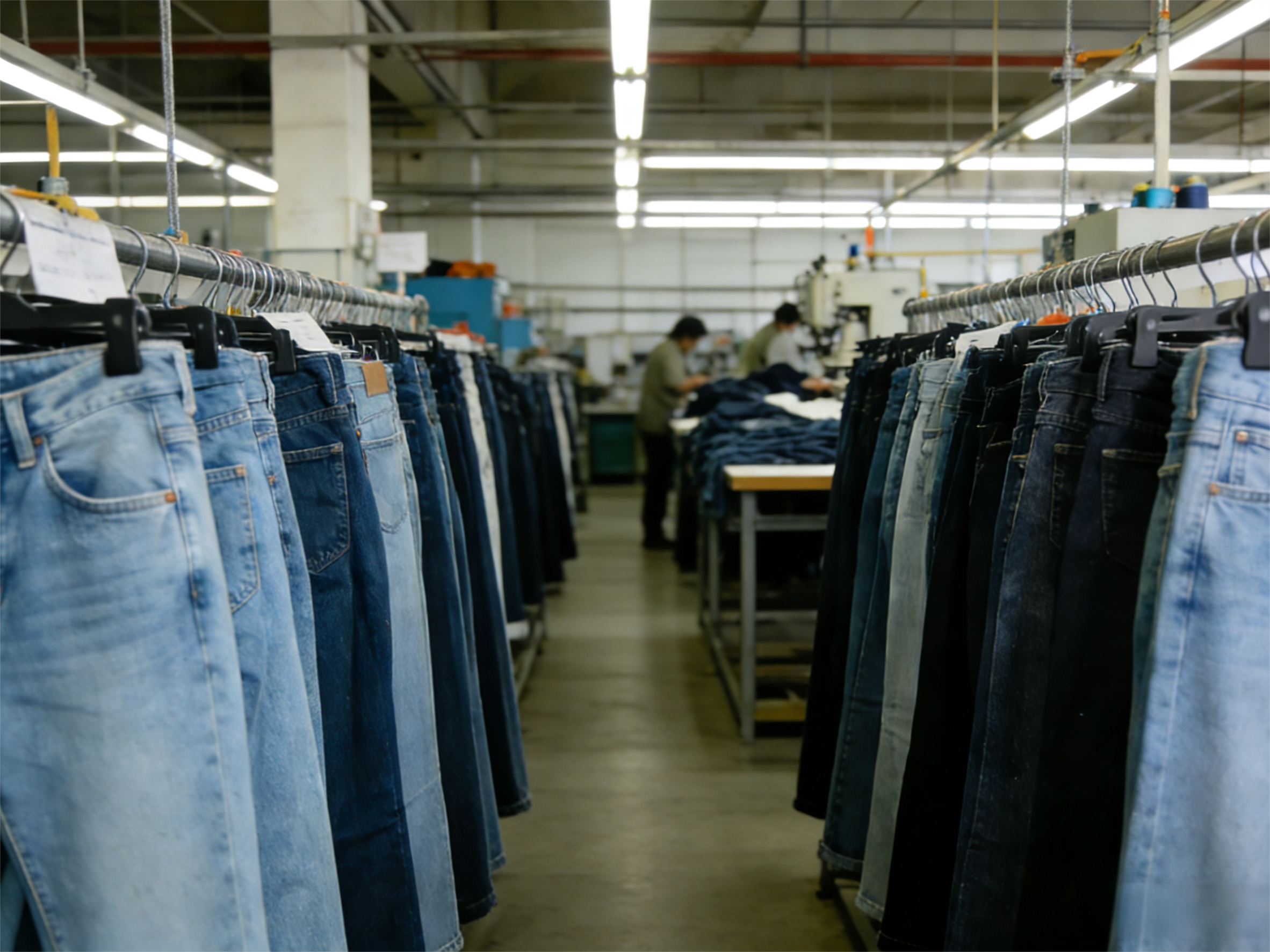
You see fast fashion denim everywhere. Stores update their jeans collections almost every week. The fast fashion industry relies on quick production cycles and agile supply chains. Brands use low-cost labor in developing countries to make jeans in small batches. This approach lets retailers respond quickly to what you want. For example, Zara can change up to 85% of its merchandise mid-season. You notice new jeans styles often, which keeps you interested and encourages you to buy more.
The fast fashion industry focuses on speed. Companies want jeans on shelves as soon as possible. They use cheaper materials and basic designs. You get affordable jeans, but the garment quality often suffers. Fast fashion denim usually lasts for a short time. You might find that your jeans fade, stretch, or tear after only a few wears.
Tip: When you buy fast fashion denim, you support a system that values speed over durability.
What Is Quality Denim?
Quality denim stands out because of its attention to detail. You notice thicker fabric, sturdy stitching, and rich color. Brands that make quality denim use better materials and skilled workers. They focus on quality indicators like durability, comfort, and fit. You pay more for these jeans, but they last longer and look better over time.
Quality denim brands often produce jeans in smaller batches. They offer more customization and use eco-friendly practices. You see less waste and better working conditions in their supply chains. These jeans reflect a commitment to sustainability and craftsmanship.
Here is a table that shows how business models differ:
Feature | Fast Fashion Brands | Quality Denim Brands |
|---|---|---|
Production Speed | High MOQs, longer lead times | Low MOQs, quick sampling |
Customization Options | Limited to basic options | Extensive customization available |
Cheaper, less sustainable practices | Eco-friendly production, low-waste | |
Target Market | Price-sensitive consumers | Quality-focused, personalized experience consumers |
You make a choice every time you buy jeans. Fast fashion offers quick trends and low prices. Quality denim gives you lasting value and better garment quality. Think about the quality indicators before you decide which jeans to buy.
Supply Chain Comparison
Sourcing & Materials
You can see a big difference in the raw materials used for fast fashion and quality denim. Fast fashion brands often choose short-staple cotton and poor-quality dyes. These choices make jeans less durable and more likely to fade. Quality denim brands use long-staple cotton and indigo dyes that hold color well. They also use traditional weaving techniques that add strength and character to the fabric.
Aspect | Fast Fashion Denim | |
|---|---|---|
Yarn Quality | Short-staple cotton, less durable | Long-staple cotton, durable yarns |
Dye Quality | Poor-quality dyes, excessive color loss | Indigo dyes with good colorfastness |
Weaving Techniques | Modern shuttleless looms, less craftsmanship | Traditional narrow shuttle looms, artisanal quality |
When you buy fast fashion denim, you support a system that values speed and low cost over quality. This approach leads to more waste and lower product life.
Manufacturing & Labor
You should know that fast fashion manufacturing often puts pressure on suppliers. Brands demand quick turnarounds and low prices. This pressure can lead to poor working conditions and low wages for workers. Many factories cut corners to meet deadlines. Workers may face unsafe environments and long hours.
Fast fashion often leads to corners being cut, compromising workers’ well-being.
Sustainable denim practices focus on ethical supply chains and fair labor standards.
Brands committed to sustainability ensure safe working conditions and reasonable hours.
Aspect | Fast Fashion Denim Manufacturing | Quality Denim Production |
|---|---|---|
Labor Conditions | Often exploitative, with poor working conditions | Emphasizes fair labor practices and safe environments |
Wages | Typically low, often below living wage standards | Aims for living wages and fair compensation |
Environmental Standards | Minimal regulations, leading to unsafe practices | Adopts sustainable practices with environmental care |
Worker Rights | Frequently neglected, with little to no protections | Strong focus on upholding workers’ rights |
When you choose quality denim, you support brands that care about workers and the environment.
Distribution & Speed
Fast fashion moves quickly from design to store. Brands track trends in real time and update styles every week. This speed means you see new jeans often, but it also puts stress on the supply chain. Suppliers must keep up with demand, which can lead to mistakes and lower quality.
Aspect | Fast Fashion | Quality Denim |
|---|---|---|
Speed of Distribution | Typically slower production cycles | |
Supply Chain Requirements | Agile systems, close supplier ties | More traditional, less agile systems |
Consumer Expectations | New styles weekly | New styles seasonally |
Demand Tracking | Real-time demand tracking | Less frequent demand analysis |
Quality denim brands take more time. They release new styles by season and focus on making each pair last. You get jeans that hold up better and support a healthier supply chain.
When you buy fast fashion denim, you support a system that values speed and low cost. This choice affects workers, the environment, and the quality of your jeans.
Environmental Impact of Fast Fashion
Water Use & Pollution
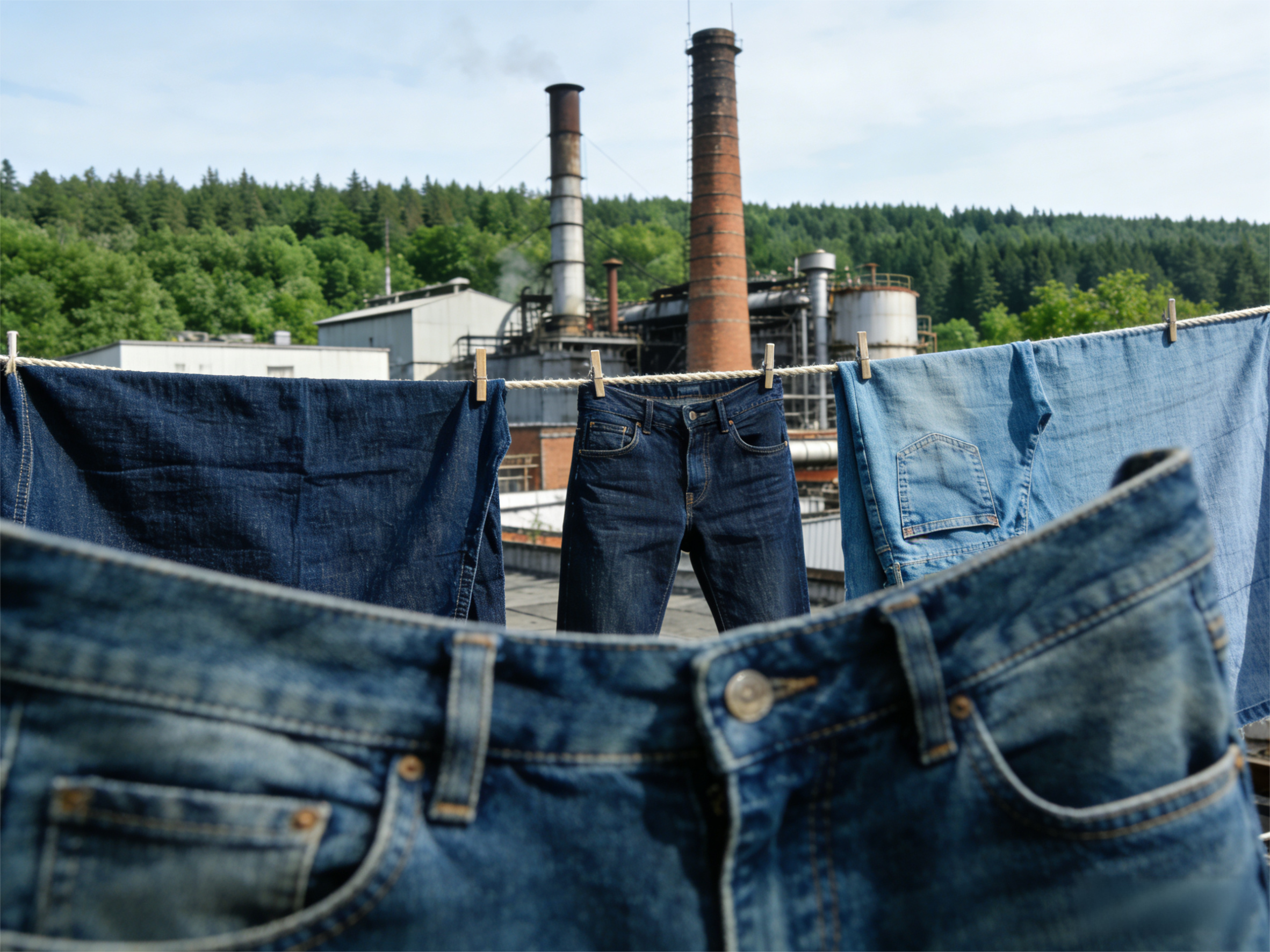
You might not realize how much water fast fashion denim uses. One pair of jeans can require up to 2,000 gallons of water. This high water consumption puts stress on the environment, especially in areas where water is already scarce. Fast fashion factories often dump untreated wastewater into rivers. This pollution harms fish, plants, and people who depend on clean water. The downside of fast fashion becomes clear when you see the rivers near denim factories turn blue from dye runoff. Quality denim brands use less water and treat their wastewater before releasing it. These steps help protect the environment and support sustainability.
Carbon Emissions
Fast fashion creates a large amount of carbon emissions. The fashion industry, including denim, produces 152 million metric tons of CO2 in the United States each year. Fast fashion jeans release about 2.5 kg of CO2 every time you wear them. This number is 11 times higher than slow fashion jeans. Most emissions come from making raw materials, but transportation adds even more. The entire process, from growing cotton to shipping jeans, uses energy and increases environmental impacts. Quality denim brands focus on reducing emissions by using better materials and local production. You help the environment when you choose jeans with a lower carbon footprint.
Resource Overuse
Fast fashion denim uses resources at an unsustainable rate. Factories use energy-intensive machines and create a lot of waste. You can see the difference in this table:
Aspect | Fast Fashion Denim | Quality Denim |
|---|---|---|
Water Consumption | 700 gallons for one shirt | Lower consumption |
Water for Jeans | 2,000 gallons for a pair of jeans | Lower consumption |
Carbon Emissions | 10% of total global emissions | Significantly lower emissions |
Textile Waste | 85% of textiles go to dumps annually | Lower waste generation |
Microfiber Pollution | 500,000 tons released into oceans | Minimal pollution |
Resource Depletion Impact | High due to energy-intensive processes | Lower due to sustainable practices |
You can see that fast fashion puts a heavy burden on the environment. Quality denim brands use fewer resources and create less waste. When you think about the environmental and ethical impact of your jeans, you make a choice that supports sustainability and protects the environment for the future.
Labor & Ethics in the Supply Chain
Working Conditions
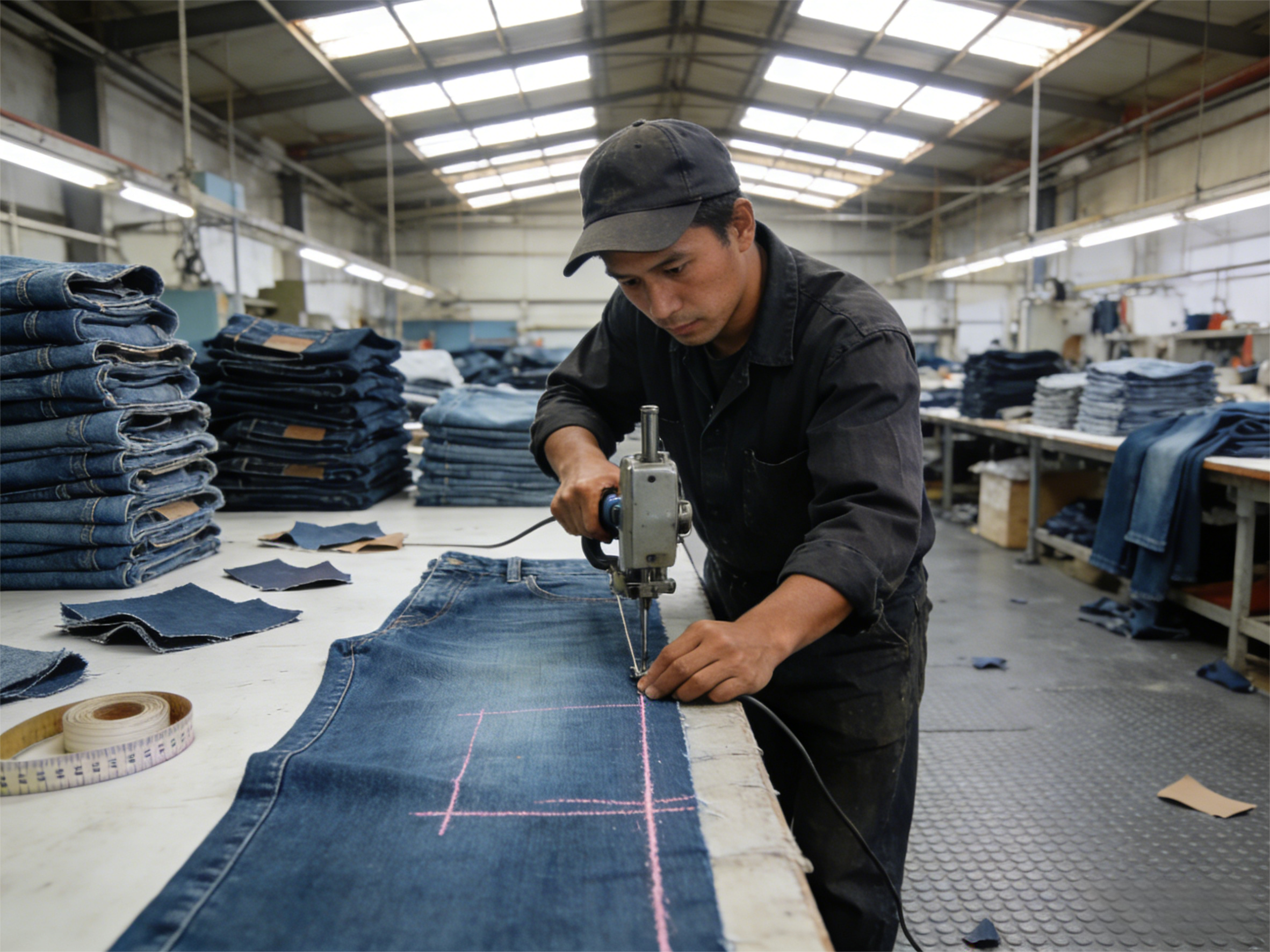
You might not see what happens behind the scenes in fast fashion denim factories. Many workers face dangerous environments every day. Common problems include:
Severe lung damage from poor ventilation and harmful substances.
Lack of safety measures, such as masks and protective gear.
Health issues like lung disease, COPD, migraines, skin infections, and even cancer.
Handling toxic chemicals like sulphuric acid without proper safety precautions.
These conditions show that fast fashion often ignores ethical responsibilities. When you buy fast fashion denim, you support a system that puts workers at risk to keep prices low.
Wages & Rights
You should know that workers in fast fashion supply chains often receive very low wages. Many do not earn enough to support their families. Some factories ignore basic rights, such as breaks and safe working hours. Workers may feel afraid to speak up about problems. Quality denim brands focus on ethical treatment. They pay fair wages and respect worker rights. You help support ethical change when you choose brands that value people over profit.
Ethical Practices
Quality denim brands set high ethical standards. They follow strict guidelines to protect workers and the environment. Many brands earn certifications that show their commitment to ethical practices. Some of the most common certifications include:
Global Organic Textile Standard (GOTS)
OEKO-TEX
Organic Content Standard (OCS)
Global Recycled Standard (GRS)
Certifications like GOTS and OEKO-TEX make sure denim production uses low-toxicity chemicals and keeps workers safe. You can look for these labels when you shop. They help you make choices based on ethical considerations. Choosing ethical denim means you support safe workplaces, fair pay, and a cleaner planet.
Durability & Value
Product Lifespan
When you compare fast fashion denim to quality denim, you notice a big difference in how long each pair lasts. Fast fashion jeans often show signs of wear after only 5 to 10 uses. You might see fading, stretching, or even holes. Quality denim, on the other hand, can handle 50 to 200 or more wears. The fabric stays strong, and the color holds up. This longer lifespan means you do not need to replace your jeans as often. You move from disposable to durable when you choose quality denim.
Cost Per Wear
You may think fast fashion jeans save you money at first. The price tag looks low, but the real value comes from how many times you can wear them. If your jeans last only a few wears, you end up spending more over time. Quality denim costs more upfront, but you get many more wears before the jeans wear out. For example, if you pay $30 for fast fashion jeans and wear them 10 times, each wear costs $3. If you pay $100 for quality denim and wear them 100 times, each wear costs $1. Quality denim gives you better value for your money.
Denim Type | Average Lifespan (Wears) | Cost Per Wear ($) |
|---|---|---|
Fast Fashion | 5-10 | 3.00 |
Quality Denim | 50-200+ | 1.00 |
Tip: Think about cost per wear, not just the price tag, when you shop for jeans.
Repairability
You can repair quality denim more easily than fast fashion jeans. Premium denim brands often use broken twill, which makes the fabric strong and comfortable. This design lets you fix small tears or worn spots, so your jeans last even longer. Fast fashion denim usually does not have this level of craftsmanship. The fabric breaks down quickly, and repairs do not hold up well. When you choose quality denim, you support a supply chain that values durability and repairability. You keep your jeans in use and reduce waste.
Hidden True Cost of Denim
Waste & Landfill
You might not see the full impact of denim waste when you shop, but the numbers tell a powerful story. Every year, over 92 million tons of textile waste, including denim, end up in landfills. Most fast fashion jeans use synthetic fibers like polyester, which do not break down easily. Denim can take years to decompose, causing long-term pollution and harming soil and water.
Fast fashion brands produce huge quantities of jeans at low prices. Many of these jeans get thrown away after only a few wears. This cycle creates a mountain of waste that grows every year. In 2018, the United States produced 17 million tons of textiles, but only 14.7% got recycled. The rest filled landfills and polluted the environment.
Quality denim brands take a different approach. They focus on durability and sustainability. Some brands upcycle old jeans into new products, keeping them out of landfills. Upcycling and recycling help reduce waste and protect the planet.
Tip: When you choose jeans that last longer or support upcycling, you help fight textile waste and landfill pollution.
Social Impact
You support more than a style when you buy denim. Your choices affect workers around the world. Fast fashion denim production often leads to serious social problems, especially in major manufacturing countries. Workers face long hours, low pay, and unsafe conditions. Many factories expose workers to high temperatures and harmful chemicals. Some managers use violent practices to control workers.
A tragic example is the Rana Plaza disaster in Bangladesh. A factory collapse killed over 1,100 workers. This event showed the risks and dangers that many garment workers face every day.
The hidden costs of denim also include indirect expenses that you do not see on a price tag. These costs cover product development, design team salaries, rent, utilities, marketing, and administrative overhead. All these expenses add up and shape the true cost of your jeans.
Indirect Costs | Description |
|---|---|
Product Development | Creating new products, research, and testing |
Design Team Salaries | Paying the team that designs your jeans |
Rent and Utilities | Keeping the business running with space and resources |
Marketing | Promoting jeans to attract buyers |
Administrative Overhead | Supporting business operations beyond production |
Some brands and movements work to reduce the social impact of denim production. You can look for brands that support ethical labor practices and fair standards.
Initiative | Description |
|---|---|
Levi’s | Reduces freshwater use by 15% across its supply chain by 2030 |
Tomorrow Denim | Recycles textile offcuts, uses renewable energy, and supports workers’ rights |
Anthropologie | Recycles denim into insulation materials |
Sustainable Denim Movement | Advocates for ethical labor practices and fair standards |
Note: When you choose brands that care about workers and the environment, you help build a fairer supply chain.
Consumer Responsibility
You play a key role in shaping the denim industry. Your buying habits influence how brands produce and dispose of jeans. Fast fashion encourages a culture of excess. You might feel tempted to buy more jeans than you need, leading to impulsive purchases and more waste.
You can make a difference by changing your habits:
Wear your jeans longer and buy fewer pairs to reduce consumption.
Repair your denim to extend its life and keep it out of landfills.
Support brands that upcycle or recycle denim.
Be cautious with recycling and rental models, as they may have hidden costs from logistics and energy use.
Your choices also affect workers. When you buy fast fashion denim, you support a system that often exploits labor and ignores safety. By choosing quality denim and ethical brands, you help promote fair wages and safe working conditions.
Callout: Every time you buy a pair of jeans, you decide what kind of impact you want to make. Small changes in your habits can lead to big improvements for people and the planet.
Key Takeaways:
Fast fashion denim creates massive waste and pollution.
Workers in major manufacturing countries face exploitation and danger.
You can reduce hidden costs by choosing durable, ethical denim and changing your buying habits.
You hold the power to shape the future of denim. Your choices matter for the environment, for workers, and for your own long-term value.
You now see that fast fashion denim often hides environmental and social costs, while quality denim offers durability and greater value. True pricing means looking beyond the price tag to include hidden impacts on people and the planet. You can make a difference by following these steps:
Audit your wardrobe before buying.
Research brands’ practices.
Invest in versatile, quality basics.
Learn to repair your jeans.
Support transparency and circular programs.
Your choices shape the future of denim—choose wisely for lasting impact.
FAQ
What makes quality denim more sustainable than fast fashion denim?
You see quality denim brands use better materials and ethical production. They focus on durability and responsible sourcing. This reduces waste and pollution. You support a cleaner planet when you choose quality denim.
How can you tell if denim is made ethically?
Look for certifications like Fairtrade or GOTS. Check brand websites for transparency about factories and labor practices. You can also read reviews or ask customer service for details.
Does quality denim cost more in the long run?
No. You pay more upfront, but quality denim lasts longer. You replace your jeans less often. This saves you money over time.
Can you recycle old denim?
Yes! Many brands offer recycling or upcycling programs. You can donate old jeans or turn them into new products. This helps reduce landfill waste.