

Have you ever wondered why you reach for your favorite pair of jeans so often? Denim culture means more than just a clothing choice. You see denim everywhere because it stands for timeless style, durability, and authenticity. People from all backgrounds use denim to express identity and even challenge social norms. Today, denim culture matters because it connects you to a global movement that values self-expression and sustainability.
The global denim jeans market could grow to over $150 billion by 2034, showing its universal appeal.
Vintage jeans help you support water conservation and reduce waste, making denim choices part of a larger environmental effort.
Denim and Subculture Evolution shows how your jeans can become a symbol of rebellion, individuality, and positive change.
Key Takeaways
Denim is more than just clothing; it symbolizes individuality, rebellion, and social change.
Choosing vintage denim supports sustainability by reducing waste and conserving water.
Denim culture connects generations, allowing people to express their identity and challenge norms.
Modern denim production focuses on eco-friendly practices, making it a responsible fashion choice.
Wearing denim helps you join a global movement that values creativity, inclusivity, and environmental responsibility.
What Is Denim Culture?
Values and Symbolism
You might notice that denim culture stands for more than just a fashion trend. It carries deep values and powerful symbols that connect people across generations and backgrounds. Here are some of the core meanings you find in denim:
Denim shows rugged individualism and a sense of belonging at the same time.
It often represents rebellion against authority and stands for American values.
In the 1960s and 1970s, denim became a symbol of unity during the civil rights movement, bringing people together across race, class, and gender.
Punk rockers used jeans to express their unique style, often adding patches or rips to stand out.
By the 1980s, denim moved into high fashion, turning into a status symbol.
Denim culture lets you express who you are, whether you want to fit in or stand out.
Social and Fashion Impact
Denim has shaped social trends and fashion movements for decades. You see its influence in many key moments:
In the 1950s, stars like James Dean and Marilyn Monroe made denim a symbol of youth rebellion.
The 1960s saw activists wear denim during the civil rights movement, using it to show solidarity and working-class roots.
The 1970s and 1980s brought acid-wash and distressed jeans, linking denim to counterculture.
By the 1990s, denim became mainstream, with styles like skinny jeans, bootcuts, and high-waisted designs.
Hip-hop culture in the 1990s introduced baggy jeans and oversized jackets, making denim a streetwear staple.
The grunge era popularized distressed denim, showing a laid-back, anti-establishment attitude.
You see different generations use denim to reflect their values. Many young people today choose vintage or upcycled jeans to show their commitment to sustainability and individuality. Denim culture keeps evolving, blending tradition with new ideas and helping you express your identity in a changing world.
Denim History & Origins
Gold Rush Beginnings
You can trace denim history back to the California Gold Rush in the mid-1800s. Gold miners needed tough clothing that could survive harsh conditions. Regular pants tore easily, so workers searched for something stronger. In 1873, Levi Strauss, a Bavarian immigrant living in San Francisco, teamed up with tailor Jacob Davis. Together, they created durable pants made from denim. These pants were designed for miners and workers, meeting the demand for rugged workwear.
Denim’s popularity grew because of its practical features. The fabric is tightly woven cotton, which gives it strength and durability. You benefit from denim’s resistance to wear and tear, making it perfect for jobs that require tough clothing. Denim also breathes well, keeping you comfortable while you work. Over time, denim became a symbol of labor and resilience, connecting you to the working class.
On May 20, 1873, U.S. Patent No. 139,121 was granted to Jacob Davis and Levi Strauss & Company for ‘Improvement in Fastening Pocket-Openings.’ This patent specifically covered the process of reinforcing work pants with rivets, protecting their invention from being copied by competitors for the next 17 years. This protection was crucial. It allowed Levi Strauss & Co. to establish a dominant market position, becoming the sole manufacturer of riveted clothing for nearly two decades.
Levi’s and Workwear Roots
Levi’s played a major role in shaping denim history. The company chose sturdy cotton twill for its jeans, which made them strong and long-lasting. Indigo dye helped hide dirt and stains, a practical choice for laborers. Early Levi’s jeans featured high waists, straight legs, button flies, and copper rivets at stress points. These details made the jeans even more durable.
Denim’s durability and practicality led to its adoption by miners, farmers, and other workers.
The fabric aged gracefully, developing a unique look over time.
Denim required little maintenance and kept its shape, making it a favorite for many professions.
Levi’s 501 jeans started as workwear for miners but soon became a global fashion icon. Hollywood stars wore them in movies, turning jeans into a symbol of rebellion and youth. Levi’s adapted its styles over the years, but the brand’s heritage remains strong. Today, you see Levi’s jeans everywhere, connecting you to a tradition that began over a century ago.
Denim and Subculture Evolution
Counterculture and Rebellion
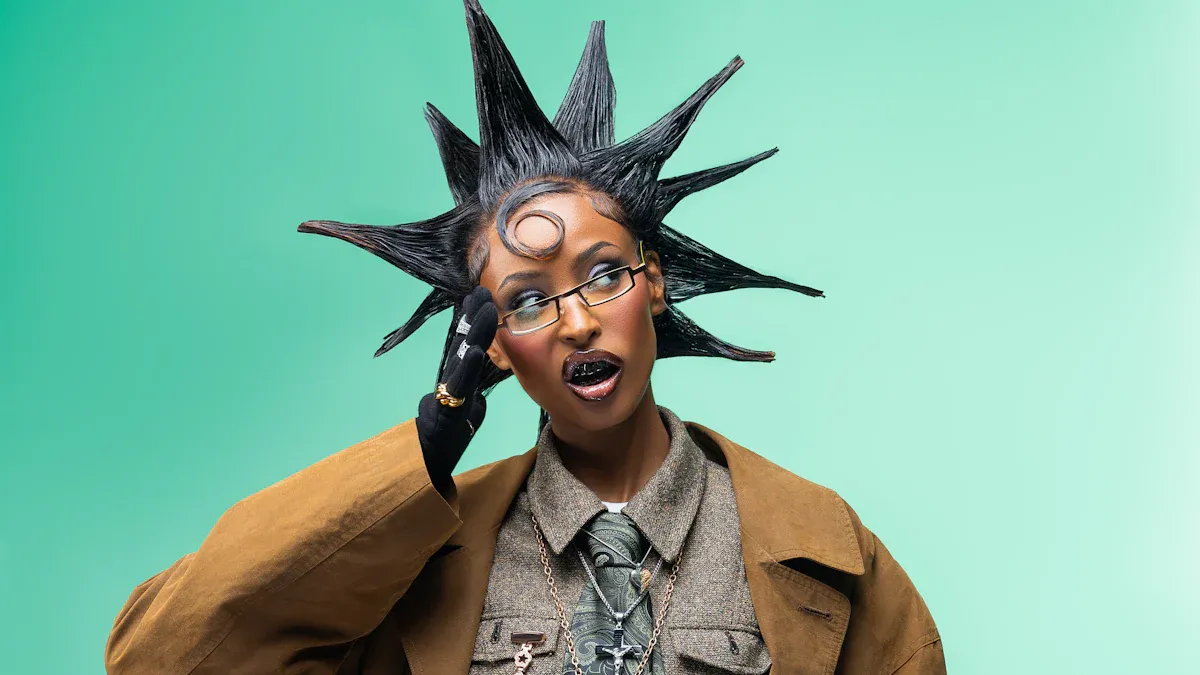
You see denim and subculture evolution take off in the 1960s and 1970s. During this time, young people wanted to break away from the rules of their parents and society. Denim became a powerful tool for this rebellion. You might notice that musicians like Jimi Hendrix and Janis Joplin wore denim on stage. Their style inspired fans to use denim as a symbol of freedom and nonconformity. When you wear jeans, you join a long tradition of people who use clothing to challenge the status quo.
Denim and subculture evolution show how jeans became a sign of protest.
Many young people rejected fancy clothes and chose denim to show they did not want to follow old rules.
Denim culture grew stronger as more people used jeans to express their beliefs.
You can see the milestones of this journey in the table below:
Year | Event | Impact on Fashion |
|---|---|---|
1873 | Levi Strauss & Jacob Davis patent riveted jeans | Birth of durable workwear |
1950s | Hollywood icons wear denim in films | Denim gains cultural status |
1950s & 1960s | Denim becomes a symbol of teenage rebellion, worn by icons like James Dean and Marlon Brando. | Establishes denim as a cultural icon associated with youth and rebellion. |
1970s & 1980s | Flared jeans and distressed denim dominate casual and street fashion. | Reflects changing fashion trends and the rise of subcultures. |
1990s & 2000s | Baggy jeans, ripped styles, and designer denim emerge in mainstream culture. | Further cements denim’s status in various subcultures. |
Today | Sustainable denim, custom designs, and high-end collaborations redefine denim fashion. | Shows the adaptability of denim in modern fashion contexts. |
Music, Youth, and Identity
Denim and subculture evolution connect closely with music and youth culture. When you look at movies like Rebel Without a Cause from the 1950s or Grease from the 1970s, you see denim as a symbol of youth rebellion. These films helped make jeans a must-have for anyone who wanted to stand out.
Film | Decade | Meaning of Denim |
|---|---|---|
Rebel Without a Cause | 1950s | Symbol of rebellion and anti-conformism for youth |
Grease | 1970s | Represents youthful rebellion and distinct subculture |
Norma Rae | 1970s | Depicts denim as a representation of economic necessity |
You also see denim and subculture evolution in music scenes. Rockers, punks, hip-hop artists, and skaters all made denim part of their identity. For example:
Punk fans wore ripped jeans with safety pins to show their anti-establishment views. The rips were not accidents. They turned mending into art.
Grunge fans in the 1990s loved thrift-store denim. The more distressed the jeans, the more authentic you looked.
Hip-hop culture brought baggy jeans and oversized denim jackets to the streets, making denim culture part of everyday style.
When you wear denim, you join a group that values self-expression and creativity. Denim and subculture evolution prove that jeans are more than just pants. They help you show the world who you are.
Breaking Norms and Gender Roles
Denim and subculture evolution also helped people break social and fashion norms. You might remember the matching denim outfits worn by Britney Spears and Justin Timberlake at the 2001 American Music Awards. Their bold look sparked conversations about what denim could be. Today, celebrities like Gigi Hadid and Kendall Jenner keep pushing denim into new territory, showing that denim culture is always changing.
Denim and subculture evolution played a big role in breaking gender rules. In the past, jeans were only for men. Over time, women started wearing denim to claim freedom and equality. Now, anyone can wear jeans, no matter their gender. You see denim in all shapes and sizes, from skinny jeans to oversized jackets.
Modern denim styles include bold, oversized silhouettes and new fabric blends.
Technology has made denim more eco-friendly. Laser finishing and waterless dyeing save resources and protect the planet.
Designers use digital tools to create new looks, making denim culture more creative than ever.
When you choose denim, you join a movement that values freedom, creativity, and breaking barriers.
Denim and subculture evolution show you that jeans are not just clothes. They are a way to challenge old ideas and create new ones. Denim as a symbol of change continues to inspire people around the world.
Modern Denim Culture
Vintage and Sustainability Trends
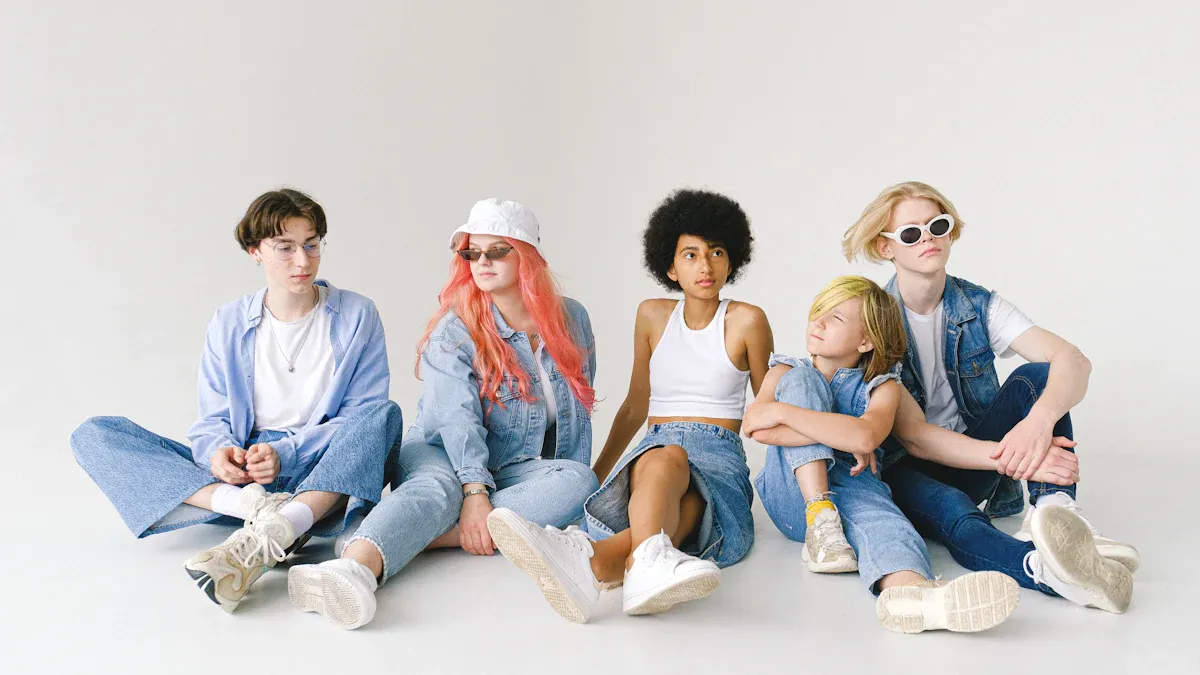
You see vintage denim gaining popularity for its timeless style and lasting quality. Many people choose vintage jeans because they offer durability and unique wear patterns that tell a personal story. When you pick vintage denim, you help reduce the demand for new denim production. This choice supports sustainability by conserving water and minimizing waste. Denim production uses about 3,781 liters of water for just one pair of jeans. By choosing vintage, you help lower the environmental impact.
Modern brands focus on eco-friendly denim production. Companies like Outerknown use 100% circular materials and offer recycling programs. Nudie Jeans uses organic cotton and avoids hazardous chemicals in denim production. These efforts reduce water usage, limit chemical discharge, and cut down on carbon emissions. You also see new innovations in denim production, such as hydrogel treatments and water recycling optimization. These methods save energy and make denim production cleaner.
Here is a table showing recent advancements in denim production:
Advancement | Impact |
|---|---|
Water Consumption Reduction | Advanced systems minimize water usage during dyeing operations. |
Decrease in Chemical Discharge | Transition to eco-friendly dyes reduces harmful chemical runoff. |
Energy Efficiency | Innovative dyeing techniques lower energy consumption in production. |
Choosing vintage denim and supporting sustainable brands helps you protect the planet and enjoy jeans that last.
Everyday Fashion and Self-Expression
You use denim to express your style and values every day. Denim has moved from workwear to high fashion, letting you show your personality. Brands like Diesel and Valentino create denim pieces that help you stand out. Denim production now includes stretch fabrics and moisture-wicking materials, making jeans comfortable for all lifestyles.
Denim also plays a role in supporting diverse communities. Designers use denim to celebrate individuality and amplify voices from queer and marginalized groups. You see campaigns like Gap’s “Better in Denim” and American Eagle’s “Great Jeans / Great Genes” using creative marketing and technology, such as AR try-ons and 3D billboards, to connect with you on social media.
Celebrities influence denim trends. Beyoncé’s mention of “denim on denim” increased interest and sales for Levi’s. Successful collaborations highlight size inclusivity and sustainability, showing that denim production responds to social changes.
You find new denim production techniques, such as bio-based indigo dyes and digital polymer dyeing, which reduce waste and improve supply chain efficiency. These innovations make denim production more sustainable and adaptable to your needs.
When you wear denim, you join a global movement that values creativity, inclusivity, and environmental responsibility.
You have seen denim transform from tough workwear to a global symbol of individuality. Denim’s journey includes moments of rebellion, high fashion, and social change.
Denim started as clothing for laborers.
Hollywood stars made it a sign of youth and rebellion.
Today, you find denim in high fashion and sustainable designs.
Memorable campaigns like Kate Moss for Calvin Klein and Beyoncé for Levi’s helped shape denim’s iconic status. New trends, such as wider cuts and western styles, show denim keeps evolving.
How will you use denim to express your own story in the future?
FAQ
What makes denim different from other fabrics?
Denim uses a special weaving method called twill. This makes the fabric strong and gives it a unique texture. You notice denim feels sturdy and lasts longer than most other materials.
Why do people choose vintage denim?
You pick vintage denim for its quality and unique look. Older jeans often show natural fading and wear patterns. These details tell a story and help you stand out.
How does denim support sustainability?
You help the planet when you buy vintage or recycled denim. Many brands use less water and safer dyes. Choosing eco-friendly denim reduces waste and saves resources.
Can anyone wear denim?
You see denim in all styles and sizes. Anyone can wear jeans, jackets, or skirts. Denim fits every age, gender, and body type. You find a style that matches your personality.
What is the future of denim fashion?
You will see more sustainable materials and creative designs. Brands use new technology to make denim better for you and the environment. Denim keeps changing to fit your needs.