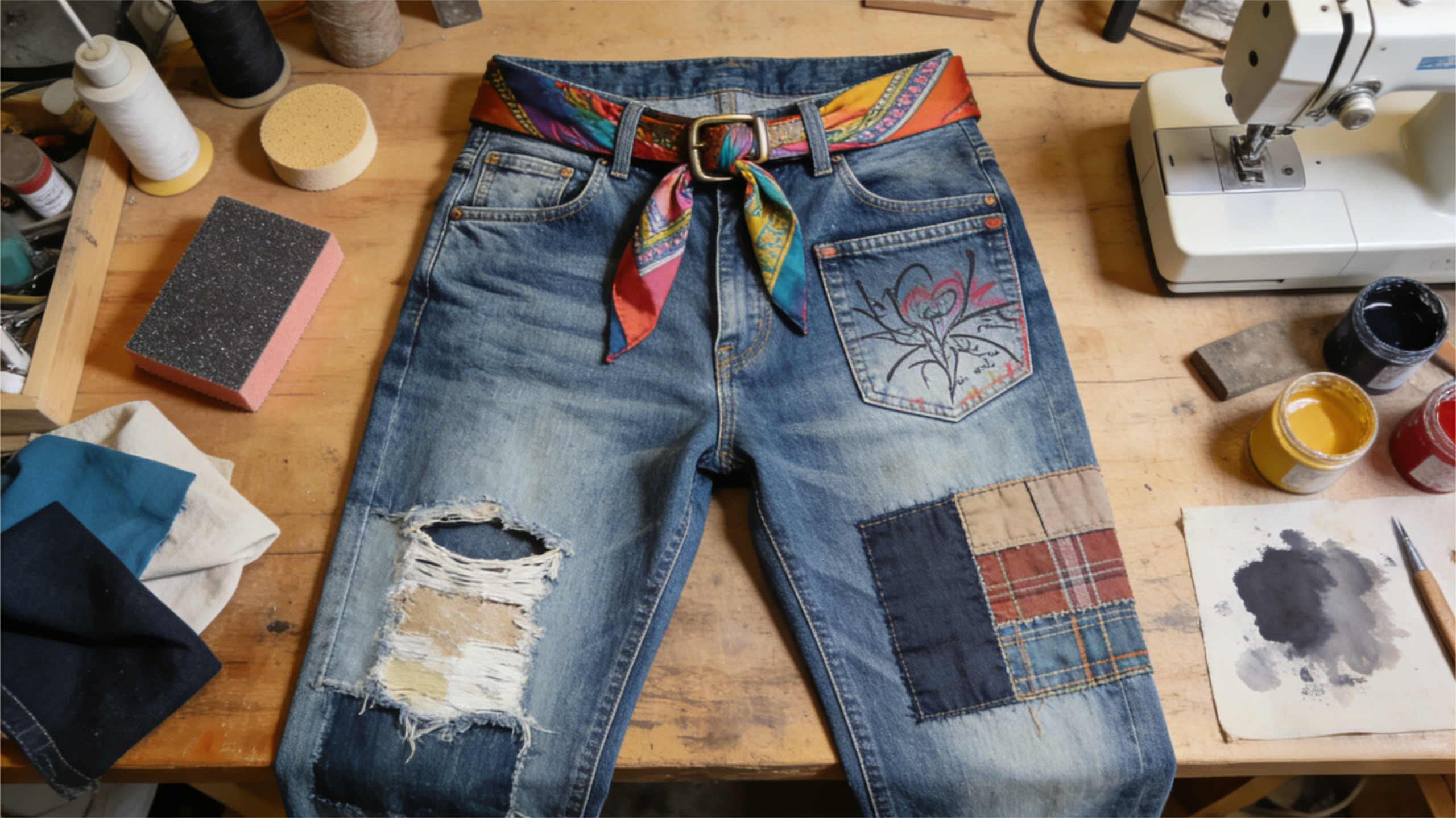
Transforming your old jeans can feel like pure magic. You grab a pair from your closet, and suddenly, the possibilities seem endless. Did you know almost half of millennials love DIY fashion, and 40% of Gen Z prefer clothes that reflect their own style? Painting jeans stands out as a favorite technique, letting you experiment with fabric paints, brushes, and even painter’s tape. You only need a few tools and some inspiration to explore customizable denim features, so anyone can jump in and get creative.
Key Takeaways
Customizing jeans allows you to express your unique style. Choose cuts, colors, and designs that reflect your personality.
Upcycling old jeans helps reduce textile waste and supports sustainable fashion. Extend the life of your jeans to lower their environmental impact.
DIY customization saves money compared to buying new jeans. Use simple techniques like painting or adding patches to refresh your wardrobe.
Start with the right denim for your project. 100% cotton is ideal for painting, while stretch blends offer comfort.
Explore various customization techniques like embroidery, painting, and distressing. Mix methods for a truly one-of-a-kind look.
Why Customize Jeans
Personal Style Benefits
You want your clothes to show off your personality. When you customize jeans, you get to decide every detail. You can pick the cut, the wash, and even the color of the stitching. You might add unique buttons or change the pocket design. Custom jeans let you stand out from the crowd. You do not have to settle for what everyone else wears. You can create tailor-made denim that fits your body and your taste. Getting custom jeans made means you get comfort and style that off-the-rack pants just cannot match. You can order custom jeans online or try a diy project at home. Either way, you get a look that is all your own.
Tip: Custom jeans solve common problems with sizing and style. You get a better fit and more comfort than standard jeans.
Sustainable Fashion Choices
You help the planet when you customize jeans instead of buying new ones. Upcycling old jeans cuts down on waste. In the U.S., people throw away over 11 million tons of textiles every year. Jeans make up a big part of that pile. If you extend the life of your jeans by just nine months, you can lower their environmental impact by up to 30%. Custom jeans use higher quality materials, so they last longer. Getting custom jeans made means you do not add to the fast fashion problem. You can customize your denim with diy methods and make a real difference.
Custom jeans reduce waste from mass production.
Customizing lets you reuse what you already own.
You support sustainable fashion with every diy project.
Saving Money with DIY
You do not need to spend a lot to look great. When you customize jeans at home, you save money. Diy projects cost less than buying new custom jeans. You can use patches, embroidery, or paint to refresh old denim. Customizing helps you fix jeans that do not fit right. You avoid the cost of getting custom jeans made at a shop. Diy lets you try new trends without breaking the bank. You get personal satisfaction from making something unique. Custom jeans give you value and style for less.
Diy customization stretches your budget.
You get more wear out of every pair.
Custom jeans offer a smart way to update your wardrobe.
Customizable Denim Features & Tools
Choosing the Right Jeans
You want your project to start with the best base. Not all jeans work the same for customization. Some denim fabrics make things easier. For example, 100% cotton denim lets you create personalized fading and stands up to heavy use. Stretch blends feel soft and flexible, but they can fade in ways you might not expect. Raw denim gives you a unique fading journey, while selvedge denim is famous for its strength and quality. When you look for customizable denim features, check the fiber type, dye method, and how the jeans were treated. Picking the right pair helps you get the results you want.
Tip: Understanding customizable denim features helps you match your project to the fabric. Raw and selvedge denim work well for those who want a long-lasting, one-of-a-kind look.
Essential Tools for DIY
You do not need a fancy setup to start. Some basic tools make a big difference. Here are a few essentials for working with customizable denim features:
Embroidery hoop frames keep your fabric tight for even stitches.
Finger protectors save your hands from tough denim.
Marking tools help you sketch designs right onto your jeans.
Support materials prepare your fabric and help transfer designs.
If you want to try more advanced customizable denim features, you can add fabric paints, studs, or sewing machines to your toolkit. Start simple and build up as you gain confidence.
Where to Find Materials
You have many options for finding materials to match your customizable denim features. Both online and local stores offer great choices. Here is a quick guide:
Type of Fabric | Source |
|---|---|
Plain Fabrics | FabricDiary.com, local textile hubs |
Designer Embroidered Fabrics | Madhav Fashion, luxury textile stores |
Designer Printed Fabrics | FabricDiary.com, specialized mills |
Customized Fabrics | Direct from manufacturers |
Bulk Quantity | Garment manufacturing units |
You can also check out places like Jace Apparel for denim blends or Hangzhou Mufan Clothing for trendy, fast-fashion denim. Local craft stores often carry patches, threads, and paints for your projects. With so many sources, you can always find the right materials for your customizable denim features.
How to Customize Jeans at Home
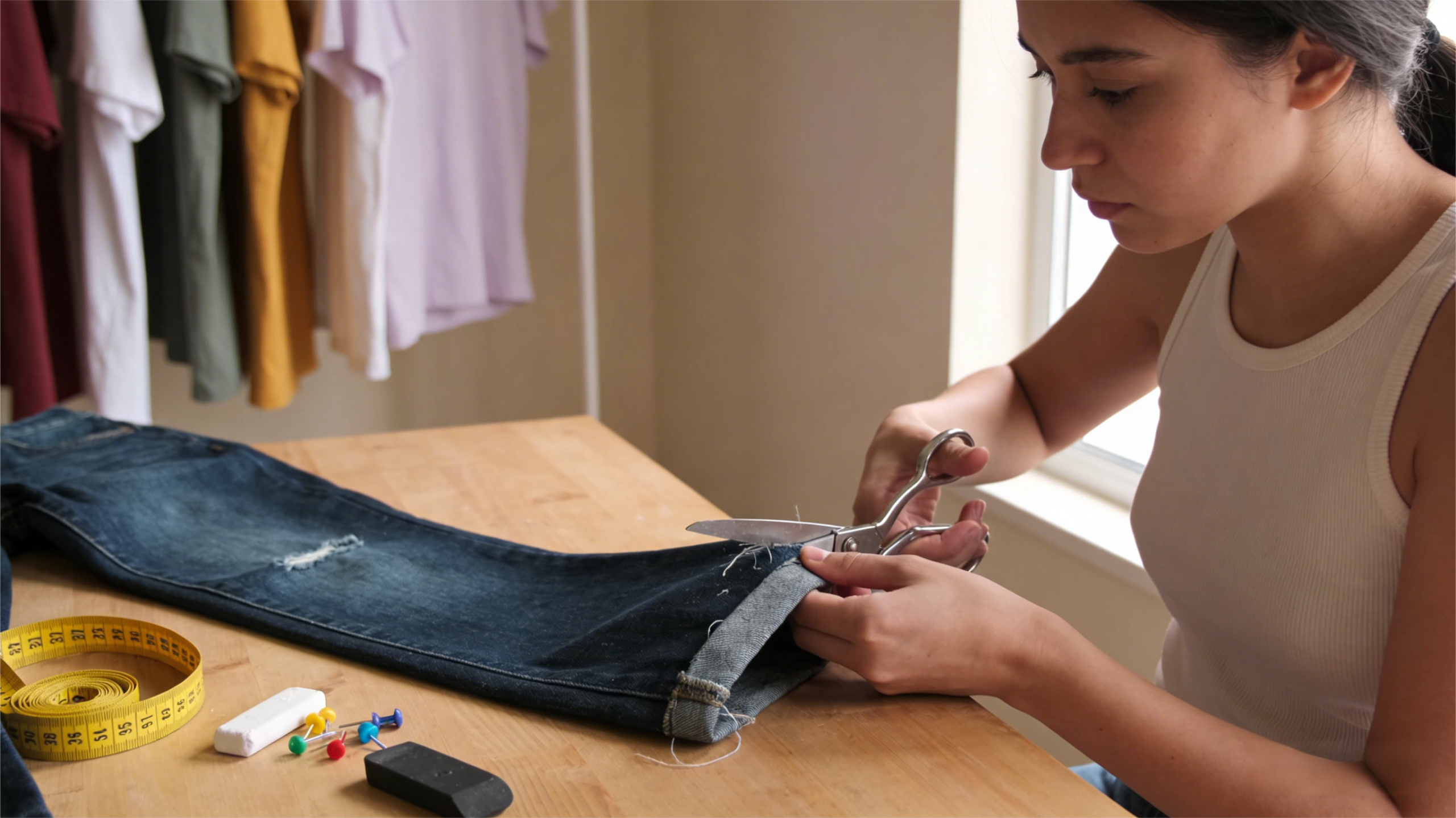
Ready to dive into the world of custom jeans? You can turn any old pair into something totally new with a few creative diy ways. Whether you want bold designs or subtle touches, there are so many ways to customize jeans that fit your style and skill level. Let’s break down the most popular customization techniques you can try at home.
Embroidery & Stitching
Embroidery adds a personal touch to your custom jeans. You can create intricate designs or simple patterns, depending on your mood and skill. Here’s how to get started:
Plan your design. Pick a motif that shows off your personality. Think about where you want it—back pockets, pant legs, or even the waistband.
Prep your jeans. Wash and iron them so you have a smooth surface. Lightly sketch your design with a fabric marker.
Choose your tools. For medium denim, use a 90/14 needle with 50–60 weight all-purpose polyester thread. For heavy denim or topstitching, go for a 100/16 needle and Tex 70 thread. Check out this quick guide:
Needle Size
Thread Weight
Use Case
90/14
50–60
Light to medium denim seams
100/16
50–60 (Tex 70)
Heavy denim, topstitching
Start stitching. Use backstitch, satin stitch, or French knots for different effects. An embroidery hoop keeps your fabric tight and your stitches even.
Troubleshoot. If your needle breaks or the fabric puckers, slow down and check your tension. Use high-quality embroidery floss to resist fading.
Care for your work. Turn your jeans inside out before washing and air-dry them to protect your embroidery.
Tip: Place your embroidery on back pockets for eye-catching results. Remove the pocket first for a cleaner finish, then sew it back on.
You can use embroidery to create professional-looking designs at home. Try adding your initials, flowers, or even geometric shapes. Custom jeans with embroidery always stand out.
Painting & Dyeing
Hand-painting lets you add color and art to your custom jeans. You can go for bold designs or soft washes. Here’s what you need to know:
Pick your paint. Artist-grade acrylics with fabric medium work best for 100% cotton denim. Fabric paint is good for stretch jeans, but it may not last as long. Here’s a quick comparison:
Type of Paint
Description
Best Use
Hobbyist
Cheap, low pigment, not durable
Not recommended for denim
Student-Grade
Decent pigment, good for practice
Okay for denim
High pigment, long-lasting
Ideal for painted denim
Fabric Paint
Soft, flexible, less durable
Good for stretch fabrics
Acrylic + Fabric Medium
Opaque, versatile, great feel on denim
Best for 100% cotton denim
Plan your design. Use painter’s tape to block off areas or sketch with chalk first.
Apply paint. Use brushes or sponges for different effects. For hand-painting, thin layers work best. Let each layer dry before adding more.
Dyeing tips. Try tie-dye or bleach for creative diy ways to customize jeans. Sulfur dyes give deep, rich color and resist fading.
Set the color. Always follow the paint or dye instructions. Heat-set with an iron if needed.
Benefit | Description |
|---|---|
Color Depth | |
Colorfastness | These dyes help your colors last longer and resist bleeding. |
Note: Always wear gloves and work in a well-ventilated area when painting or dyeing. Protect your workspace with plastic or old towels.
Hand-painting lets you create custom jeans that no one else has. Try painting flowers, animals, or even abstract patterns. You can also use stencils for crisp lines.
Distressing & Fraying
Distressing gives your custom jeans a cool, lived-in look. You can make them look vintage or just a little worn. Here are some popular ways to customize jeans with distressing:
Fraying and tearing. Pull out threads at the hems or knees for texture. Use tweezers for precision.
Sanding and abrasion. Rub sandpaper or a pumice stone over the fabric to soften and fade it. For more control, use a Dremel tool.
Bleaching. Lighten certain areas for a unique effect. Always test on a small spot first.
Safety Tip: Wear a mask if you use power tools or sandpaper. Work slowly to avoid overdoing it.
If you make a mistake, don’t worry. You can reinforce weak spots with patches or just embrace the imperfections. Many people love the unique look that comes from diy methods. Always wash distressed jeans inside out on a gentle cycle and skip the dryer to keep them looking great.
Patches & Appliqués
Patches are one of the easiest ways to customize jeans. You can cover holes, add color, or show off your favorite bands or hobbies. Here’s how to attach them:
Pick your patch. Sew-on patches last the longest. Iron-on patches work for quick fixes, but you can add a few stitches for extra strength. Velcro patches are fun for temporary looks.
Iron-on method:
Make sure your jeans can handle heat.
Place the patch where you want it.
Cover with a thin cloth and press with a hot iron for 20–30 seconds.
Let it cool before wearing.
Fabric adhesive:
Use glue made for fabric.
Apply a thin layer to the back of the patch.
Press firmly and let it dry completely.
Tip: For extra durability, always add a few stitches around the edge of your patch.
Patches let you try new trends and fix mistakes from other customization techniques. You can mix and match different shapes and colors for a one-of-a-kind look.
Studs, Beads & Embellishments
Studs and beads add sparkle and texture to your custom jeans. You can create patterns, spell out words, or just add a little shine. Here’s what you need:
Beads (seed, bugle, glass, or pearls)
Specialized beading needles (long, thin, flexible)
Strong thread (Nymo or polyester)
Embroidery hoop or frame
Scissors
Pattern transfer tools (water-soluble pens, transfer paper)
Backing or stabilizer to support the fabric
Note: Always use a stabilizer when adding heavy embellishments. This keeps your jeans from sagging or tearing.
Hand-painting and embellishments work well together. Try painting a design and then outlining it with beads or studs for extra impact. Custom jeans with embellishments always get noticed.
Quick Safety & Troubleshooting Tips
Always use sharp tools carefully. Keep your workspace clean and organized.
If you make a mistake, don’t panic. Patches can cover holes, and embroidery can hide stains.
Wash custom jeans inside out and air-dry to protect your work.
For big tears or problems, ask a professional for help.
You now know how to customize jeans at home using a variety of diy methods. Try mixing embroidery, hand-painting, distressing, and patches for endless ways to customize jeans. Every pair you make will be a true reflection of your style. Custom jeans are all about creativity, so don’t be afraid to experiment and have fun!
Upcycling & Advanced DIY Ideas
Turning Jeans into Skirts or Shorts
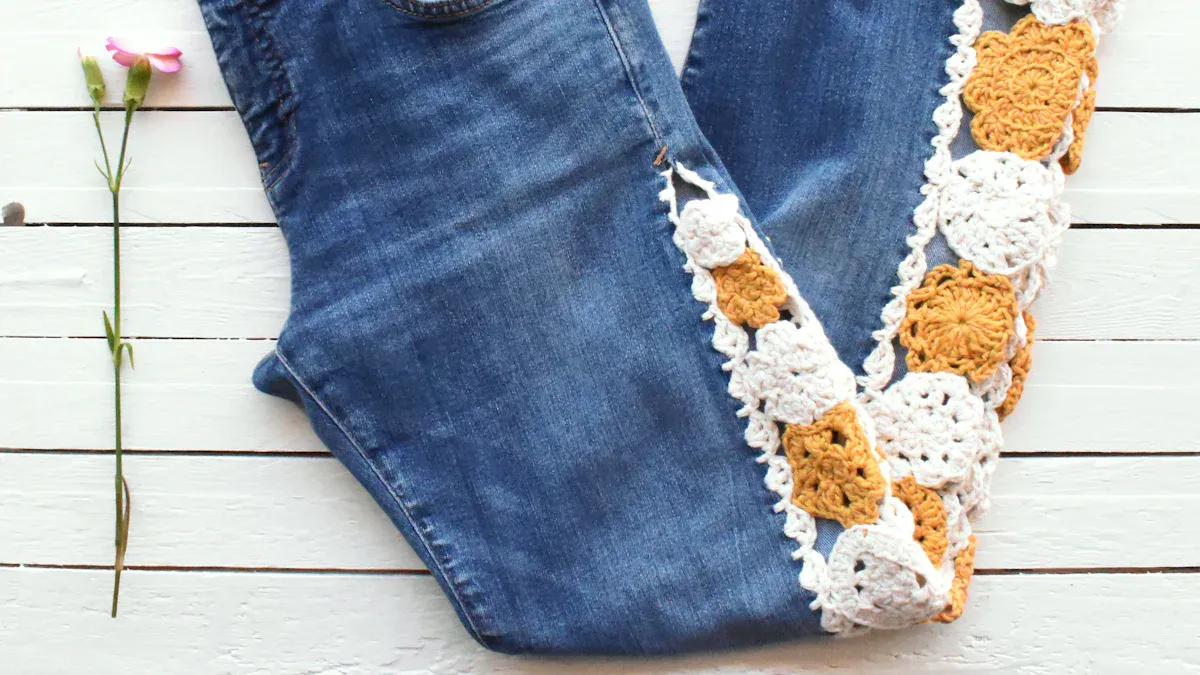
You can transform plain denim into a stylish skirt or a pair of shorts with just a few steps. Start by cutting your jeans to the desired length. Use a needle designed for denim and all-purpose thread, either matching or contrasting with your fabric. Sew a straight stitch to join pieces, then reinforce with a zig-zag stitch to prevent fraying. If you want a laid-back look, leave the bottom hem unfinished for a natural fray. This method lets you upcycle old jeans and create something new without needing advanced sewing skills.
Tip: Try adding embroidery or patches to your new skirt or shorts for extra flair. These creative customization ideas make your project unique.
Making Bags & Accessories
You can easily transform plain denim into bags, pouches, or even jewelry. Cut the bottom of your jeans for the body of a bag and use the waistband for the top edge. Add handles and personalize with embellishments. Use back pockets to make wallets with sections for cards and cash. For accessories, cut small pieces and attach them to earring hardware. Upcycling denim helps fight textile waste, which reaches 92 million tons globally each year and is expected to rise by 60% by 2030.
Decorate your bag with fun charms, pins, or tassels.
Hand-embroider florals or geometric patterns.
Use iron-on patches, fabric paint, or beading.
Attach colorful tassels to straps or zipper pulls.
Add quirky pins or patches from thrift stores.
Creative Jacket Customization
You can use old jeans to customize a denim jacket and make it reflect your style. Try free-motion stitching for detailed designs or use fusible web to attach pieces securely. Layer different denim textures, sheer fabrics, or lace for depth. Raw edge applique gives a rugged look. Colored thread painting mimics artistic effects. Add hand-stitched details or a personal label on the back.
Technique | Description |
|---|---|
Free-Motion Stitching | Create detailed designs with your sewing machine. |
Fusible Web | Attach pieces securely, reinforce with edge stitching. |
Layering Textures | Mix denim, lace, or sheer fabrics for visual interest. |
Raw Edge Applique | Achieve a rugged, unfinished look. |
Colored Thread Painting | Stitch designs using colored threads for a painted effect. |
Upcycled Embroidery | Use embroidery from old jeans pockets for a unique touch. |
Hand-Stitched Details | Add personal touches with hand-stitching. |
Labels or Signatures | Personalize with a label or signature on the back. |
You can style your customized jacket with oversized fits, sustainable denim, distressed edges, or layered looks. These trends keep your wardrobe fresh and eco-friendly.
Upcycling reduces waste, conserves resources, and avoids emissions from factories. You help the planet every time you choose to repurpose and transform plain denim instead of buying new.
You have so many ways to make your jeans stand out. Pick one DIY technique and start your own projects today. Remember, every time you try something new, you learn and grow. Your creativity can turn old denim into something amazing. Share your projects with friends or post them online to inspire others.
Don’t wait—grab those jeans and begin your denim transformation journey now!
FAQ
How do you fix mistakes when customizing jeans?
You can cover small errors with patches or embroidery. If paint smudges, use rubbing alcohol to clean it up before it dries. For big tears, sew a new piece of denim over the spot. Mistakes often lead to creative solutions!
What’s the best way to wash custom jeans?
Turn your jeans inside out. Use cold water and a gentle cycle. Air-dry them to protect embroidery, paint, and embellishments. Skip the dryer to keep colors bright and details intact.
Can you customize stretch denim?
Yes! You can paint, embroider, or add patches to stretch denim. Use flexible fabric paint and lightweight thread. Avoid heavy embellishments because they may pull on the fabric.
Where can you find inspiration for denim projects?
Check Pinterest, Instagram, or fashion blogs. Visit thrift stores for unique ideas. Ask friends for suggestions. You can also look at designer collections for new trends.
Do you need a sewing machine for DIY denim projects?
No, you don’t need a sewing machine. You can hand-sew patches, embroider designs, or use fabric glue. A sewing machine helps with bigger projects, but you can start with basic tools.