
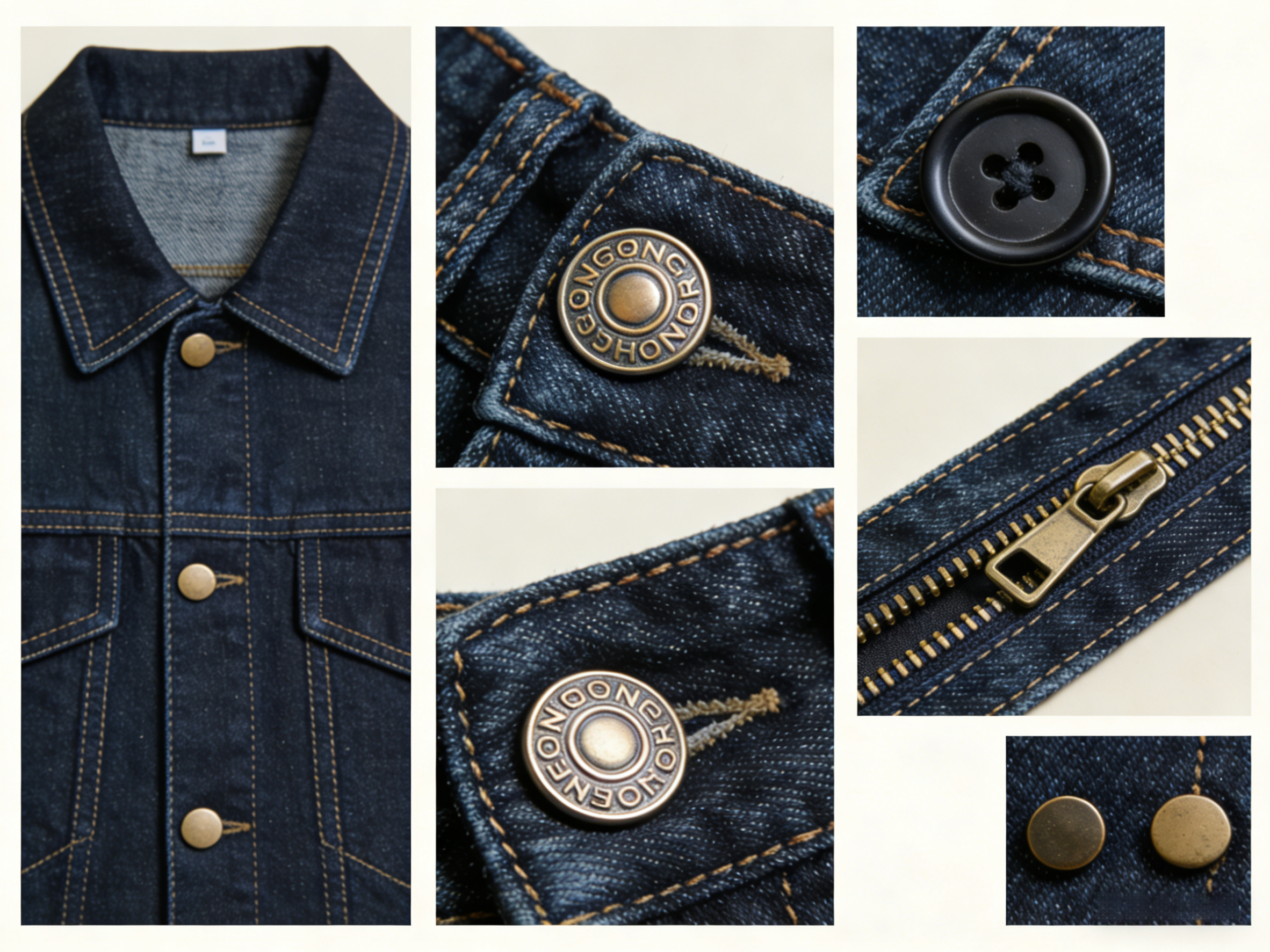
You see a shift in chinese denim that goes beyond mass production. Factories now focus on quality and craftsmanship. Jeans made in China compete with those from Japan and the USA. The global market recognizes China as the largest producer and exporter of denim fabrics. You notice a strong supply chain and advanced textile technologies behind this growth.
The China Denim Fabrics Market reached about 2.37 billion USD in 2023.
It may grow to 2.6 billion USD in 2024 and hit 4 billion USD by 2035.
Sustainability becomes a key factor. You find that denim and jeans now reflect new standards in fashion, meeting your demand for responsible choices.
Key Takeaways
Chinese denim has shifted from mass production to high-quality craftsmanship, making it competitive with global brands.
Sustainability is key; look for jeans made with organic materials and eco-friendly practices to support the environment.
Advanced technology in manufacturing ensures consistent quality and efficiency, resulting in better jeans for consumers.
Customization options allow you to create jeans that fit your style, offering a unique and personal touch.
Choosing certified denim supports ethical practices and helps reduce your carbon footprint.
Chinese Denim: From Mass Production to Craftsmanship
“Made in” vs. “Crafted in” Denim
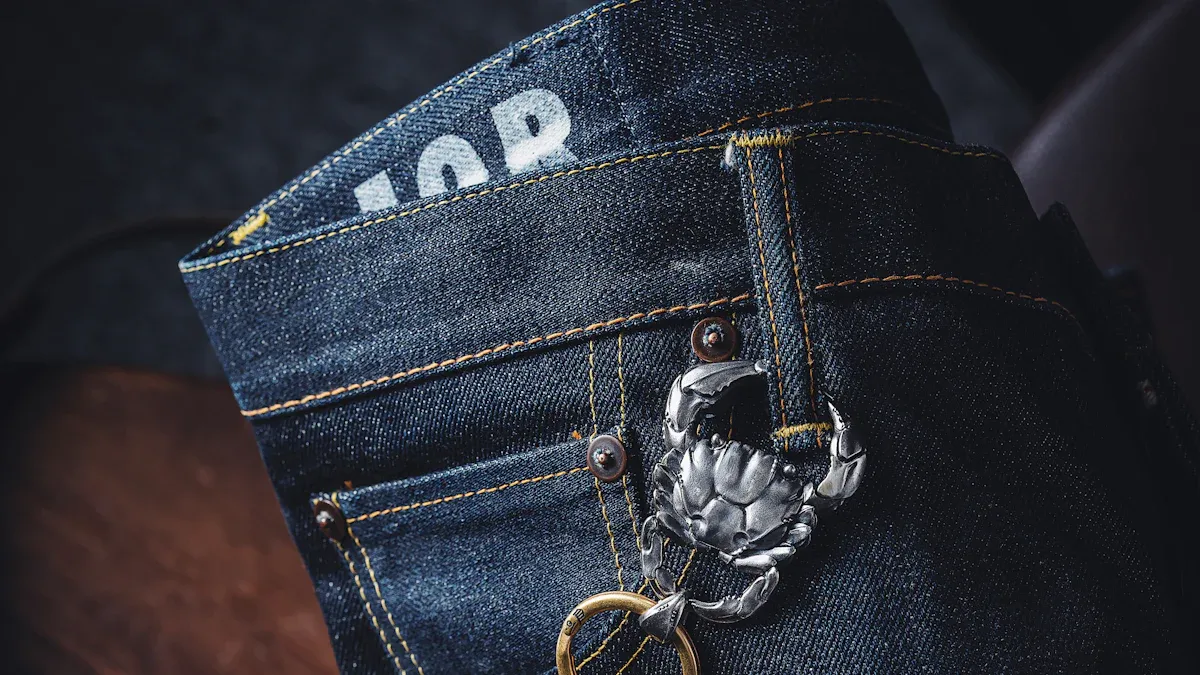
You may remember when people saw Chinese denim as only mass-produced. Today, you see a new story. Factories now focus on denim craftsmanship and the highest quality denim fabrics. You notice that brands like Adidas, Nike, and Burberry choose to make their jeans in China. This shows a shift from simple manufacturing to true innovation and detail.
Factories in China now meet world-class standards for quality control.
You find ethical working conditions in many modern denim factories.
Luxury labels trust Chinese denim for their jeans, which helps remove old stereotypes.
You see more brands highlighting the meticulous attention to detail in their selvedge jeans.
You can feel the difference when you wear jeans made with this level of care. The focus on denim craftsmanship means every stitch, seam, and selvedge edge matters. You get jeans that last longer and look better.
Quality and Artistry in Chinese Denim
You want jeans that stand out for their quality and style. Chinese denim makers now use advanced techniques and materials to create selvedge fabric that rivals the best in the world. You can compare the details of high-quality denim to lower-quality options using these key indicators:
Indicator | High-Quality Denim | Low-Quality Denim |
|---|---|---|
Thickness | 12 oz+, substantial | 8–10 oz, lightweight |
Density | Tight, firm | Loose, deformable |
Surface Texture | Smooth, minimal fuzz | Rough, flawed |
Stiffness | Stiff initially, softens | Soft, lacks resilience |
Elasticity | Strong recovery | Prone to sagging |
You see that the best selvedge denim uses long-staple cotton for strength and durability. Indigo dyes must soak deep into the fabric for rich color. Traditional weaving on narrow shuttle looms creates selvedge edges that do not fray. You notice that finishing processes add softness and help your jeans keep their shape.
When you choose jeans made with this level of denim craftsmanship, you invest in more than just clothing. You support a new era of Chinese denim, where innovation, artistry, and detail come together. You get selvedge jeans that reflect skill, tradition, and a passion for quality.
Innovations in Denim Craftsmanship
Technology Transforming Denim
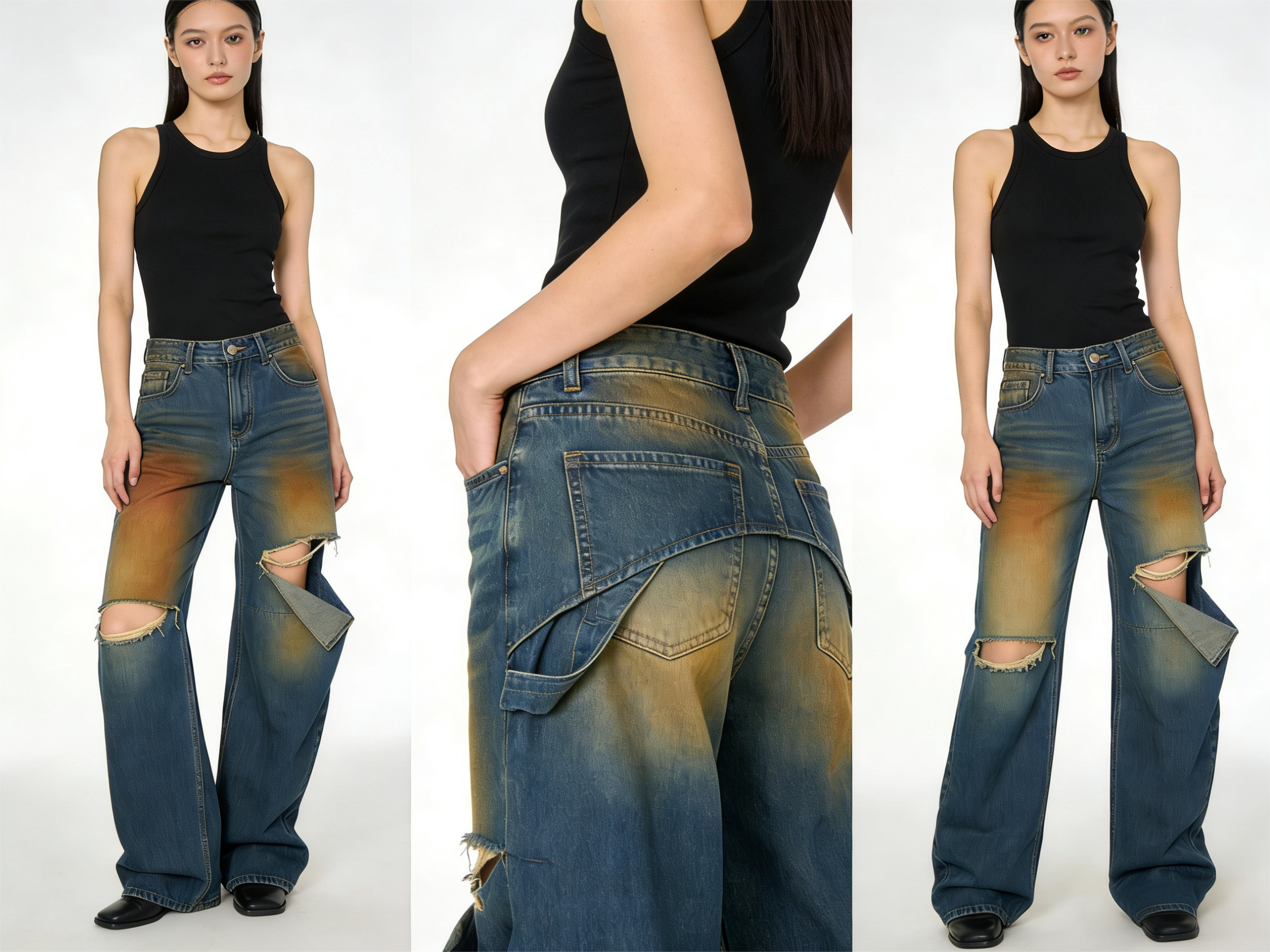
You see how technology changes the way jeans are made in China. Factories use technologically advanced processes to improve denim manufacturing. Machines now cut many layers of fabric at once, which saves time and boosts efficiency. You notice that advanced machines help each piece of denim match exact specifications, so you get consistent quality in every pair of jeans. Automation also makes the process safer for workers and lets manufacturers offer more types of denim.
Benefit | Description |
|---|---|
Increased Efficiency | Machines can cut multiple layers of fabric simultaneously, significantly reducing production time. |
Precision and Quality | Advanced machines ensure each piece is cut to exact specifications, maintaining consistent quality. |
Versatility | Capable of cutting various fabric types, allowing manufacturers to diversify their offerings. |
Safety and Ergonomics | Automation reduces worker exposure to injuries associated with manual cutting methods. |
Future Growth | Continued adoption of technology is expected to drive industry growth and innovation. |
You see companies like TUSA Group use ERP systems to unify yarn and denim production. Barcode systems track every process in real time. Machine learning helps optimize production and inventory. These technologically advanced processes set Chinese denim apart from competitors. You benefit from jeans that are made faster, safer, and with better quality.
Sustainable Materials and Practices
You care about sustainability when you choose jeans. Chinese denim makers now use sustainable denim practices to protect the environment. You find jeans made with organic cotton, recycled materials, and biodegradable stretch fibers. Factories use waterless dyeing and chemical-free washing technologies to reduce pollution. Laser finishing creates stylish designs without wasting water or using harsh chemicals.
Waterless dyeing
Laser finishing
Use of recycled or organic cotton
Biodegradable stretch fibers
Chemical-free washing technologies
You see that these sustainable materials and practices lower the impact of denim manufacturing. Factories monitor water use and share data to improve dye efficiency. You notice that rope dyeing and slasher dyeing use different amounts of water. Smart water management helps factories save water and protect local resources.
Aspect | Details |
|---|---|
Water Efficiency | The study establishes baseline and best-in-class water use metrics for dyeing systems. |
Water Consumption Variance | Significant differences in water use between rope and slasher dyeing methods were noted. |
Reduction Potential | With proper practices, water usage can be substantially reduced. |
Importance of Monitoring | Accurate monitoring and smart water management are crucial for improving dye efficiency. |
Industry Collaboration | The initiative encourages data sharing among stakeholders to enhance sustainability practices. |
You support sustainability when you buy jeans made with these processes. You help reduce water use and pollution. You also get jeans that last longer and feel better.
Design Trends in Chinese Denim
You see new design trends in Chinese denim that mix tradition with innovation. Designers use modern techniques and traditional craftsmanship to create jeans that look stylish and last longer. You notice laser washing lets designers add intricate patterns and details without harming the environment. AI and data analytics help designers track fashion trends and adjust production quickly. This process means you get jeans that match your style and fit your needs.
Modern techniques blend with traditional craftsmanship for stylish and durable denim.
Eco-friendly production methods, such as laser washing, allow for intricate designs.
AI and data analytics enable designers to adapt to fashion trends and minimize waste.
You find jeans with unique designs, colors, and finishes. You see that Chinese denim stands out for its creativity and quality. These innovations make Chinese denim popular with buyers around the world. You get more choices and better jeans every season.
Tip: When you choose jeans made with innovative design and sustainable practices, you support a new era of denim that values quality, creativity, and responsibility.
Industry Impact of Chinese Denim Innovation
Shifting Global Perceptions
You notice a major change in how the world views denim from China. International fashion media and buyers now pay close attention to the latest innovation in denim. At the Kingpins China-Hangzhou 2025 event, you see over 600 visitors exploring new ideas in denim production. The event features networking, retail pop-up stores, interactive workshops, and a runway show. These activities highlight the creativity and quality that set Chinese denim apart from traditional american-made denim.
You hear about “Denim Talks,” a seminar that discusses circularity in fashion and new materials. These talks show you that the industry cares about both the environment and the future of denim. Artists like Jiang Zhaojin use denim to reflect on social issues and culture. Her work helps you see denim as more than just clothing. It becomes a way to talk about deeper topics, not just consumer trends.
Kingpins China-Hangzhou 2025 focuses on innovation and inspiration.
Workshops and runway shows attract a diverse audience.
Denim art explores culture, materiality, and spirituality.
You see that these efforts help change old ideas about denim production in China. The focus on quality and sustainability helps you trust Chinese denim as much as american-made denim.
Effects on Manufacturers and Brands
You watch as manufacturers and brands adapt to new trends in denim production. Many companies now use digital solutions, such as online retail and customization, to connect with you directly. You find more premium and sustainable denim products, which match your values and style. Brands use their cultural heritage to appeal to younger buyers, building loyalty and trust.
Brands shift toward premium, sustainable denim to meet rising demand.
Online retail channels grow, giving you more ways to buy jeans.
Customization and limited-edition collections let you express your style.
You see that the demand for high-quality jeans pushes brands to use eco-friendly materials and advanced production methods. The rise of online shopping makes it easier for you to find unique denim styles. Customization options let you choose jeans that fit your personality. These changes help Chinese denim compete with american-made denim and set new standards for quality and innovation in the global market.
Note: When you choose jeans from brands that focus on innovation and quality, you support a new era of denim production that values both tradition and progress.
Consumer Benefits of Crafted Denim
Enhanced Quality and Durability
You want jeans that last and look good over time. Crafted denim from China now offers you premium quality that rivals luxury brands. You feel the difference when you wear luxury denim. The fabric feels substantial and the stitching stays strong. Many factories use advanced weaving and finishing techniques. These methods create jeans that resist sagging and fading. Raw denim enthusiasts appreciate the durability and unique aging of these jeans. You get a product that stands up to daily wear and keeps its shape, just like top-tier american-made denim.
Eco-Friendly Choices for Buyers
You care about the environment when you shop for fashion. Chinese denim brands lead the way in ethical denim by adopting eco-friendly practices and certifications. You can check for trusted labels on your jeans. These certifications show that your denim meets strict safety, organic, and recycled standards.
Certification | Focus Area | Ideal For | Buyer Requirements |
|---|---|---|---|
OEKO-TEX® 100 | Final fabric safety | All apparel brands | Mandatory for babywear, EU imports |
GOTS | Organic integrity + social | Premium/eco fashion | Full chain certification |
GRS | Recycled fiber tracking | Circular fashion, eco denim | Needed for “recycled” label claims |
BCI | Cotton farming standards | Mass-market production | Registered brand partnership |
ISO 9001/14001 | Factory quality + environmental systems | All regions | Signals professional mill management |
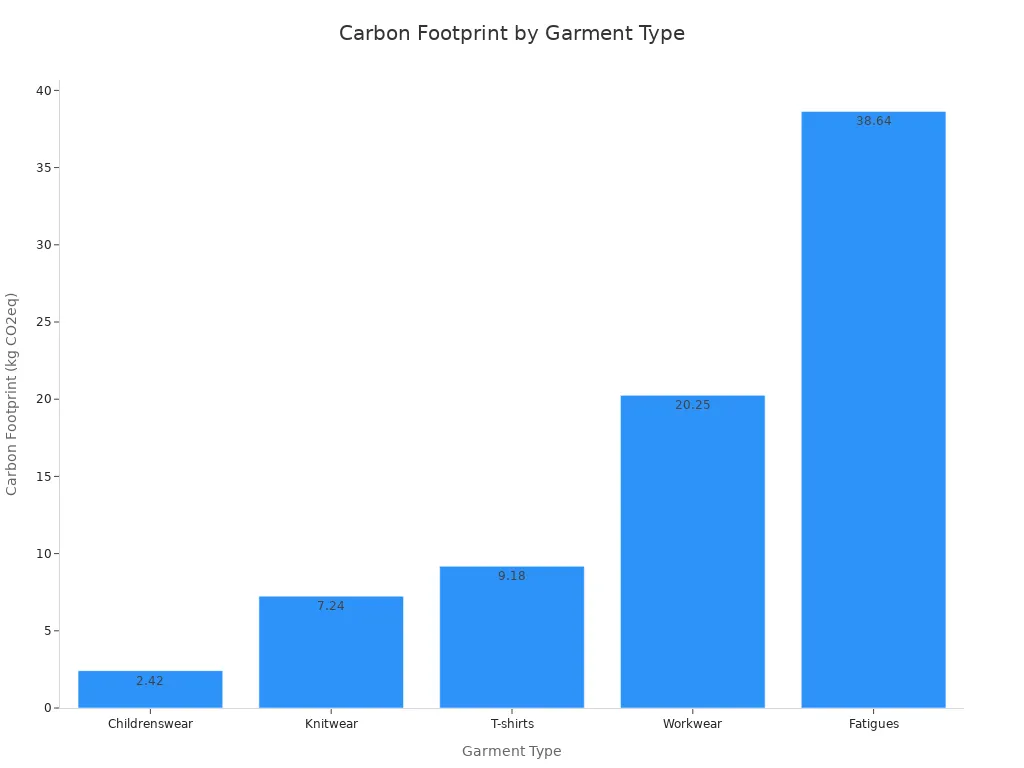
You also reduce your carbon footprint by choosing premium jeans. The chart below shows how different garment types compare in environmental impact. Denim products from China often use less energy and water than some other producers.
Garment Type | Carbon Footprint (kg CO2eq) |
|---|---|
Childrenswear | 2.42 |
Knitwear | 7.24 |
T-shirts | 9.18 |
Workwear | 20.25 |
Fatigues | 38.64 |
You support ethical denim and help protect the planet when you choose certified, sustainable jeans.
Style and Personalization
You want your jeans to match your style and personality. Chinese denim brands offer you a wide range of customisation options. You can pick from different fits, fabrics, and finishes. You might choose a premium stretch denim for comfort or a cross-dyed fabric for a unique look. You can add custom embroidery, special washes, or even decorative elements like fringe or rhinestones. This level of customisation lets you create jeans that stand out in any fashion crowd.
Customisation Type | Description |
|---|---|
Fabric Types | Options include stretch denim, cross-dyed denim, and more for aesthetic and functional needs. |
Processing Techniques | Stone washing, bleaching, distressing, and laser treatments for unique effects. |
Design Elements | Custom patterns, embroidery, heat transfer printing, and screen printing for personalized designs. |
Fit and Style | Choices for straight, slim, flared, and unique pant leg designs. |
Decorative Elements | Add-ons like feathers, fringe, and rhinestone chains for enhanced style. |
Washing techniques: acid wash, vintage wash, enzyme wash
Fits and patterns: wide-leg, slim, cargo, flare
Trims: custom buttons, rivets, back patches
Embroidery and prints: logos, monograms, graphics
You enjoy the luxury of choice and the premium experience of wearing jeans made just for you. Chinese denim now gives you the same level of customisation and style as american-made denim, making it a top pick for fashion lovers who value quality and individuality.
Challenges and Opportunities for Chinese Denim
Overcoming Stereotypes
You may still hear people say that Chinese denim only means cheap or low-quality jeans. This stereotype comes from the past, when many factories focused on mass production. Today, you see a different picture. Many brands now highlight their domestic production to show better quality and control. Still, some challenges remain:
Some factories deliver great samples but struggle to keep the same quality in large orders. This often happens when they use subcontractors.
Communication can be difficult. Language barriers or a lack of fashion knowledge sometimes cause mistakes in orders.
Large manufacturers may prefer big clients, making it hard for small brands to find the right partner.
The supply chain can be unclear. Sometimes, trading companies do not represent the real manufacturer.
You can help change these old ideas by looking for brands that value transparency and quality in their domestic production.
Competing Globally
You see Chinese denim brands working hard to compete with Japanese and American makers. Each country has its own strengths:
Chinese manufacturers offer lower costs and more flexibility, which helps small brands.
American denim stands out for its tradition and craftsmanship.
Japanese denim is famous for high quality and eco-friendly methods, like enzyme and ozone washes.
Chinese factories use new technology and creative finishes to improve quality.
Large-scale production in Asia keeps prices low and quality steady.
You notice that Chinese brands now use advanced machines and smart systems to make better jeans. This helps them stand out in the global market.
Future of Denim Craftsmanship
You will see even more changes in the future. New technologies and materials shape the next phase of denim innovation:
Antimicrobial coatings make jeans more hygienic and practical.
Automated processes cut down on time and cost, while keeping quality high.
Digital printing creates detailed designs without using lots of water or dye.
Factories use more organic cotton and water-saving tools to protect the environment.
You can expect Chinese denim to keep growing in quality and creativity. As more brands focus on domestic production and new technology, you will find jeans that are stylish, sustainable, and made to last.
You see Chinese denim move from mass production to true craftsmanship. This shift brings new value to the industry and improves global reputation. At the Hong Kong Denim Festival 2025, you notice a focus on sustainability, creative treatments, and ethical practices:
Aspect | Details |
|---|---|
Focus | Sustainability, local talent, innovation |
Key Themes | Mixed textiles, recycled materials |
Goal | Ethical manufacturing, market access |
Brands now invest in fair labor and safe working conditions.
You find that consumers trust and support ethical, sustainable products.
The future of denim in China looks bright as you choose quality and responsibility.
FAQ
What makes Chinese denim different from other countries’ denim?
You find that Chinese denim stands out for its advanced technology, sustainable practices, and creative designs. Factories focus on quality and innovation. This approach helps you get jeans that last longer and look unique.
How do you know if your jeans are made with sustainable practices?
You can check for certifications like OEKO-TEX® or GOTS on the label. These marks show that your jeans meet strict environmental and safety standards. You support responsible fashion when you choose certified products.
Can you customize your jeans when buying from Chinese brands?
You have many options for customization. You can pick the fit, fabric, and special details like embroidery or washes. This lets you create jeans that match your style and needs.
Are Chinese denim products good for the environment?
You see many Chinese brands use organic cotton, recycled materials, and water-saving technology. These choices help reduce pollution and save resources. You make an eco-friendly choice when you buy these jeans.
How do you care for high-quality denim to make it last?
You should wash your jeans less often and use cold water. Air drying helps keep the fabric strong. You protect the color and shape by following these simple steps.