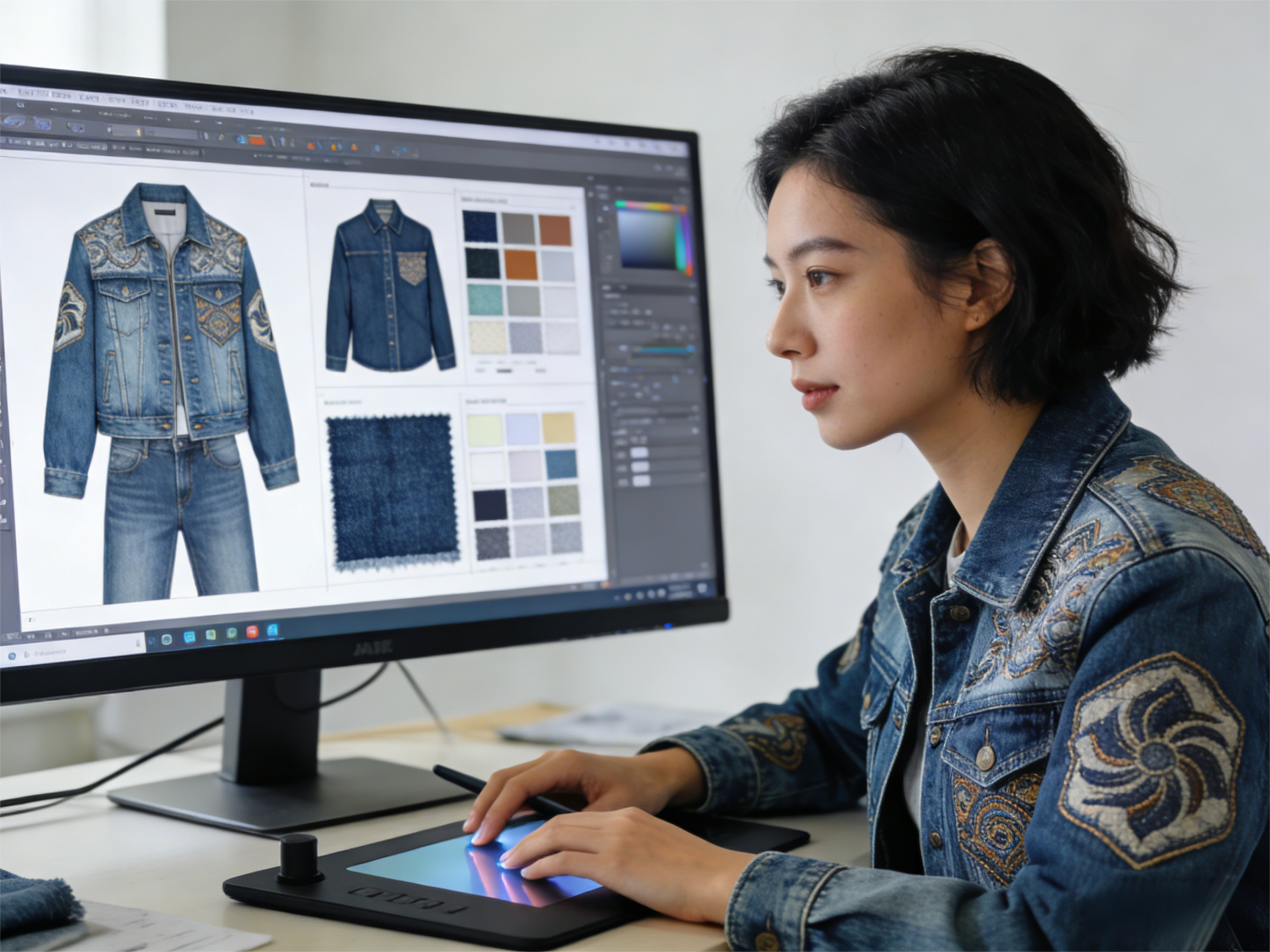
You now see how ai-driven denim production changes the denim industry in real time. AI helps you achieve efficient production by predicting the right amount of raw material, reducing waste, and improving resource management. Denim factories use sensors and ai to lower energy use and support sustainability. With ai, you get real-time fabric inspections that catch defects early. This leads to higher product quality and less waste. You benefit from smarter, more transparent, and more precise denim manufacturing.
Key Takeaways
AI enhances denim production by predicting material needs, reducing waste, and improving resource management.
Automation and data analytics streamline operations, allowing for faster design processes and better inventory management.
Sustainable practices in dyeing and washing minimize environmental impact, aligning production with eco-friendly goals.
Real-time insights from AI help brands respond to consumer trends, ensuring they meet market demands effectively.
Investing in AI technologies leads to higher product quality, reduced costs, and increased customer satisfaction.
AI-Driven Denim Production Overview
AI Integration in Manufacturing
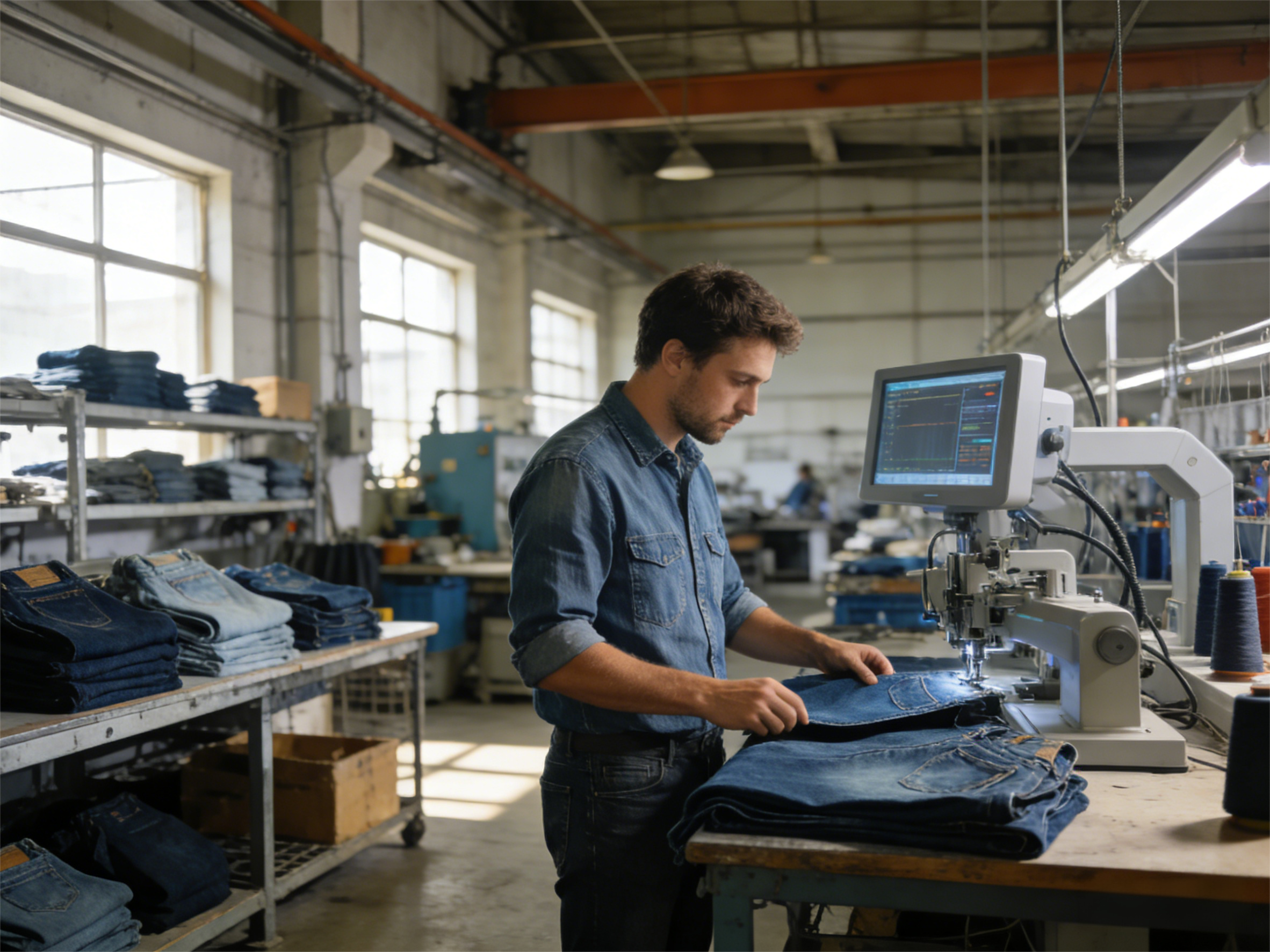
You see how ai-driven denim production transforms the way factories operate. Today, you can use ai for pattern making automation, which speeds up the design process and reduces mistakes. When you rely on ai for supply chain management, you streamline operations and shorten production timelines. You also benefit from data analytics that help you collect consumer data. This information lets you predict trends and create denim styles that match what people want right now. As a result, you reduce waste and make better use of materials. In your factory, you can use ai for demand forecasting, production planning, and quality control. These tools help you optimize fabric cutting and improve efficient production. You get higher quality denim with less waste and lower costs.
Key Drivers of Innovation
You drive innovation in denim manufacturing by adopting new technologies and sustainable practices. The main factors that push the industry forward include automation, digital printing, data-driven manufacturing, and eco-friendly dyeing.
Here is a table that shows the primary drivers of innovation in ai-driven manufacturing:
Factor | Description |
|---|---|
Advancements in Automation | You turn weaving into a high-precision art, which boosts productivity and cuts down on waste. |
Digital Printing | You create complex patterns and bright colors while using less water and energy. |
AI and Data-Driven Manufacturing | You use insights to predict trends and make your processes more efficient. |
Eco-Friendly Innovations in Dyeing | You lower water use and reduce chemicals, which supports your sustainability goals. |
You see that these drivers help you make denim that meets both market demands and environmental standards. By using ai, you stay ahead in a fast-changing industry and deliver products that people want.
AI-Driven Denim Production Technologies
Automated Weaving
You can now use automated weaving systems powered by ai to achieve a new level of precision in denim production. These systems help you fine-tune machine settings for twill, which gives your denim the right balance of strength and softness. Smaller factories benefit from this technology because it reduces setup errors and ensures consistent diagonal lines. This consistency is important for maintaining brand quality, especially in high-end denim. When you use ai-driven design in weaving, you speed up production and cut down on waste. Automation also helps you detect defects early, so you can fix problems before they affect the final product.
Some of the most widely used ai-driven technologies in denim production include:
Automation for efficient production and quality control
Visual inspection tools that catch defects quickly
Robotic process automation to streamline supply chain management
Virtual try-on technology for better consumer experience
Trend forecasting tools that predict style trends and optimize inventory
You see that these tools not only improve speed and accuracy but also support sustainability by reducing excess inventory and waste.
Smart Washing Processes
Smart washing processes use ai to monitor and control every stage of denim washing. You can adjust water and energy use in real time, which helps you save resources and lower costs. Ai-driven design in washing lets you create different finishes and textures while using less water and energy. This approach supports your sustainability goals and meets consumer demand for eco-friendly denim.
Here is a table that shows the impact of smart washing processes on water and energy use:
Impact Category | Raw Denim (Per Yard) | Pre-Washed Denim (Per Yard) |
|---|---|---|
Water Usage (Factory) | 75–90 L | 80–100 L |
Energy Consumption | ~8 MJ | ~12–15 MJ |
Consumer Wash Impact | ~200 L/pair | ~100 L/pair |
You notice that pre-washed denim uses more energy during production, but it can reduce water use at home because it needs fewer washes. By using ai, you can optimize these processes and make better choices for both the environment and your business.
Laser Finishing
Laser finishing technology, enhanced by ai, opens up new customisation possibilities for your denim products. You can create precise patterns and intricate designs that were not possible with traditional methods. This technology lets you respond quickly to fashion trends and offer unique styles to your customers. Ai-driven design in laser finishing also reduces environmental impact because it uses less water and fewer chemicals.
Laser technology allows you to make complex designs and effects, improving product quality.
Ai helps you adjust production quickly to match changing trends.
Innovations in finishing focus on eco-friendliness and resource savings.
Jeanologia’s technology combines classic denim looks with modern sophistication, meeting high industry standards.
When you use an ai-powered platform like LMB’s Trend Engine+, you gain a competitive advantage.
LMB’s Trend Engine+ is redefining how denim brands create collections. This proprietary, ai-powered platform doesn’t just track what’s trending — it continuously decodes shifting consumer moods and uncovers the white spaces no one else sees. From the earliest sketches to final line reviews, designers and merchants rely on Trend Engine+ to validate ideas, build confident assortments, and move faster with precision. It’s more than a tool — it’s a competitive advantage proven to drive higher full-price sell-through, protect margins, and anticipate sustainability-driven shifts in consumer demand.
You can also use platforms like Li & Fung’s ai platform and Early.Vision’s Match AI to make data-driven decisions and improve your denim sourcing solution. These ai-driven tools help you align your collections with consumer demand and sustainability trends.
Predictive Analytics and Market Insights
Demand Forecasting
You can use ai to predict what denim styles and sizes will be popular next season. With ai-driven denim production, you gain access to real-time insights that help you spot consumer trends before they peak. This technology identifies quick shifts and hidden patterns that you might miss on your own. You can make better assortment decisions because ai gives you data-driven insights. When you respond faster to micro-trends, you launch new products at the right time and avoid overproduction. You also reduce waste by matching production with actual consumer demand.
Ai supports smarter allocation, so you send the right products to the right stores.
Design teams use consumer insights from search trends and social media to create products people want.
Predictive analytics help you set prices that protect your profit margins.
Levi’s uses ai to detect consumer demand and redistribute inventory. This approach has improved forecast accuracy by double digits in key markets. You see fewer markdowns and lower inventory holding costs. Customers find the sizes and styles they want, which increases satisfaction. With access to live production tracking, you make proactive decisions and manage product lifecycles more efficiently. This system also supports sustainability by reducing overproduction and textile waste.
Inventory Optimization
You can optimize your inventory with ai-powered platforms that deliver actionable market intelligence. Tools like Trendalytics track trends and analyze customer behavior, so you know which denim items are gaining popularity. These platforms collect insights from social media, search trends, and online shopping patterns to predict demand. You can align your product offerings with emerging trends and avoid stockouts or excess inventory.
Trendalytics helps you understand what is trending in denim.
It uses real-time data to guide your inventory planning.
You can adjust your product mix quickly to match consumer demand.
Clootrack analyzed over 55,000 customer reviews to reveal what matters most to denim buyers. You learn that fit and quality drive loyalty, so you focus on these areas for efficient production. By using ai, you keep your inventory lean, reduce waste, and meet your customers’ needs.
Eco-Friendly AI Innovations
Sustainable Dyeing
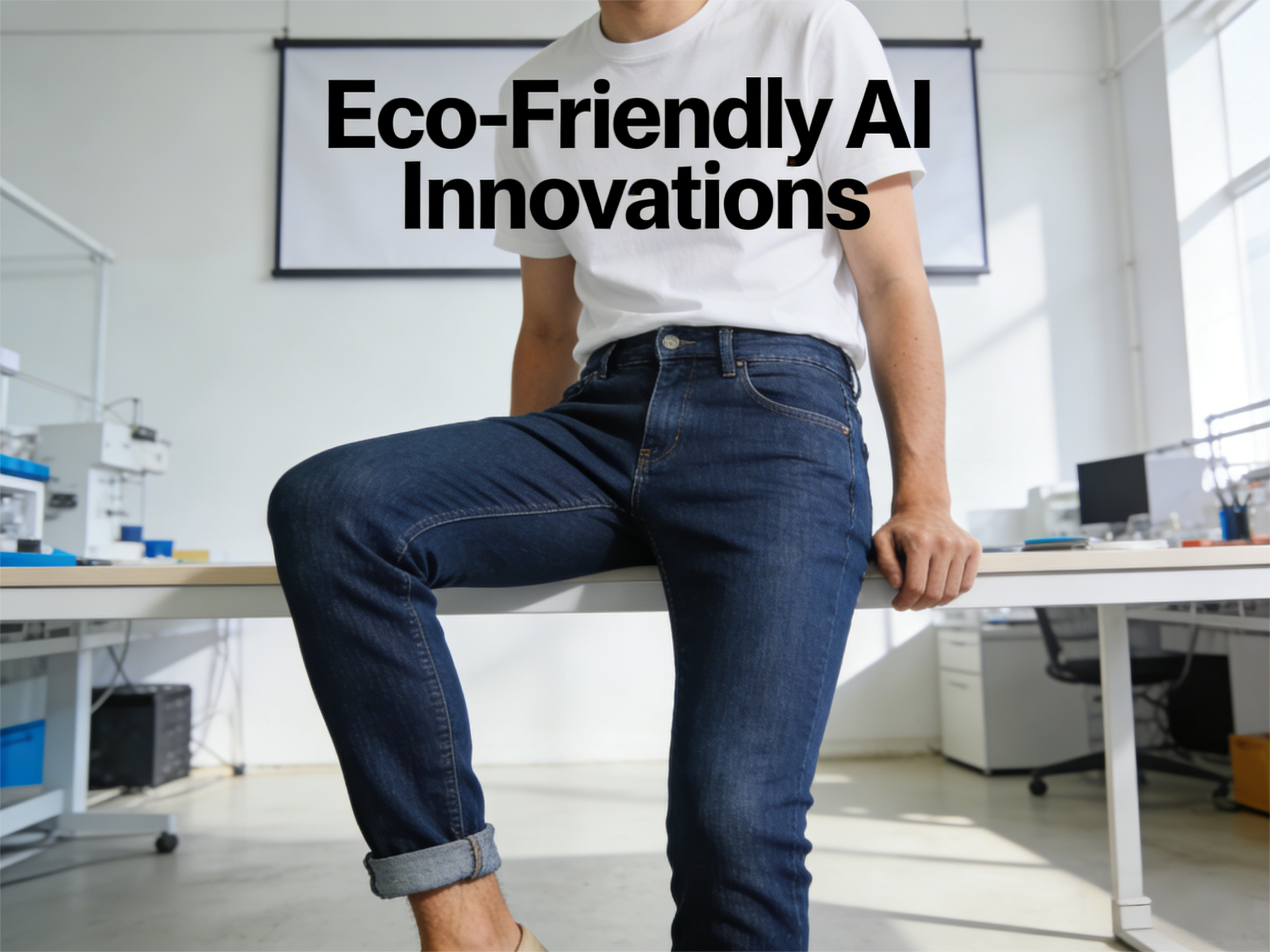
You can transform denim production by using sustainable dyeing techniques powered by ai. These methods help you reach your environmental goals and support eco-friendly solutions. Ai-driven denim production lets you choose dyeing processes that use less water and fewer chemicals. You see how smart manufacturing practices and eco-friendly material sourcing work together to lower your environmental footprint.
Here is a table that shows the latest advancements in sustainable dyeing for denim:
Advancement Type | Description | Environmental Benefit |
|---|---|---|
AI-driven systems | Improve textile sorting for recycling, ensuring eco-friendly dyes are reused effectively. | Reduces waste and enhances recycling efficiency. |
Enzymatic dyeing processes | Use biological agents to fix colors, resulting in low environmental impact. | Minimizes chemical discharge. |
3D printing technologies | Enable precise dye application, reducing waste in customized production. | Lowers water and dye waste. |
Sustainable fibers | Incorporate organic cotton and hemp to amplify eco-friendly dyeing benefits. | Enhances overall sustainability. |
You can use ai to select the best dyeing process for each batch of denim. This approach helps you meet sustainability-driven shifts in consumer demand. You also improve product quality and support sustainable business practices. Ai helps you track dye usage and monitor chemical levels, so you avoid overuse and protect the environment.
Tip: You can combine enzymatic dyeing with ai-powered monitoring to achieve vibrant colors and minimize chemical discharge. This method supports your commitment to eco-friendly solutions and reduces your environmental footprint.
Waste Reduction
You can reduce waste in denim production by using ai-powered technologies. These tools help you optimize material efficiency and reach your environmental goals. Ai lets you predict wash outcomes and detect fabric imperfections early. You improve quality control and avoid unnecessary waste.
Here are some ways ai helps you minimize waste and improve material efficiency:
Ai-powered washing techniques can reduce water usage by up to 80%.
You eliminate harmful chemicals, which supports eco-friendly manufacturing.
Machine learning optimizes enzyme treatments and laser finishing for better results.
Ai predicts wash outcomes and detects defects, so you maintain high product quality.
Automation of water recycling systems increases material efficiency.
You see how ai-driven denim production supports eco-friendly solutions and helps you reach your sustainability goals. These innovations let you lower your environmental footprint and create denim that meets both market and environmental standards.
Note: You can use ai to monitor water recycling systems and adjust production in real time. This practice helps you save resources and reduce waste.
Industry Applications and Case Studies
Leading Brands Using AI
You see many denim brands leading the way with ai in their factories. Levi’s uses ai to manage inventory and predict what customers want. LMB’s Trend Engine+ helps you spot new trends and design collections that stand out. Li & Fung offers end-to-end textile fulfillment powered by ai, so you can move from design to delivery faster. Early.Vision gives you tools to match fabrics and colors with precision. These brands show you how ai can help you reach consistent quality and meet your goals for sustainability.
Success Stories
You can learn from real results in ai-driven denim production. Denim brands have seen big changes after using ai in their factories:
Automation in ai-driven quality inspection speeds up the process and gives you real-time analysis. You avoid bottlenecks and keep your lines moving.
Many manufacturers report a defect reduction rate of over 30%. This means you deliver better products to your customers.
Customer satisfaction scores rise when you use ai, showing the value of these improvements.
You can achieve a 10% increase in production output by reducing Standard Allowed Minutes (SAM).
Machine downtime drops by 80% with ai-driven maintenance, so you avoid costly stops.
Work processes become more efficient, and you see greater results across your business.
You notice that these changes help you stay ahead in the market. When you use ai, you make smarter decisions and deliver denim that meets high standards. You also support sustainability by reducing waste and improving efficiency.
Benefits for Stakeholders
Manufacturers
You gain many advantages when you use AI in denim manufacturing. Automated systems help you work faster and more efficiently. You save money by reducing material waste and labor costs. Visual inspection tools powered by AI let you catch defects early, so you keep quality high. Robotic process automation helps you respond quickly to market changes. These improvements make your operations smoother and more reliable.
AI and automation create hyper-efficient systems.
Automated cutting and stitching lower waste and labor costs.
Visual inspection tools improve consistency and quality.
Robotic process automation speeds up supply chain management.
You can optimize your supply chain and improve fabric cutting precision. This leads to less textile waste and better use of resources.
Designers
AI gives you powerful tools to boost your creativity and speed up your work. You can use platforms like Trend Engine+ to design denim that fits current trends and customer needs. AI-driven insights help you create unique and sustainable styles. You finish your designs faster and with less waste. Generative AI also has the potential to increase profits in the fashion industry, showing how much it can change the design process.
AI-driven insights spark creativity and support sustainability.
Tools like Trend Engine+ make design more efficient and customizable.
Faster design processes mean less waste and more innovation.
Consumers
You benefit from AI-driven denim production through better quality and more choices. AI-powered quality control systems ensure you get denim with fewer defects. Advanced weaving and finishing machines give you consistent fabric quality. You can also enjoy custom-fit denim that matches your style and preferences. This personal touch helps you feel more connected to your favorite brands.
Improvement Type | Description |
|---|---|
Real-time defect detection improves quality. | |
Fabric Quality | Consistent results with fewer reworks. |
Customization | Dynamic options based on your preferences. |
Customization lets you express your style.
Personalized denim creates a stronger bond between you and the brand.
You enjoy unique looks and better comfort.
Future of AI in Denim Production
Emerging Trends
You will see new trends shaping the future of denim. Many brands now use digital twins to show their denim collections online. For example, H&M uses AI-generated digital twins to help you explore styles before you buy. Generative AI tools also boost creativity and let you interact with denim designs in new ways. These tools help you create custom looks and connect with brands on a deeper level.
Here are some of the most promising trends:
Digital twins for virtual denim try-ons and collection previews
Generative AI for creative design and customer engagement
Advanced data models that predict what styles will be popular next season
You will notice that these trends make denim more personal and interactive. They also help brands respond quickly to what you want.
Opportunities and Challenges
You have many opportunities as AI continues to grow in denim production. AI-powered design tools and predictive analytics help you reduce waste and improve efficiency. When you combine AI with smart factory technology, you can monitor machines in real time and fix problems before they stop your work. This leads to better use of resources and supports sustainability.
A recent report shows that AI could increase profits in the apparel industry by up to $275 billion in the next few years. This growth will affect every part of denim, from design to delivery. You will see faster product launches, better inventory management, and more personalized options.
Here is a table that shows how AI will shape the denim industry:
Aspect | Insight |
|---|---|
AI Transition | You will move from simple automation to smarter decision-making. |
Data Interpretation | You will use advanced models to turn data into useful ideas. |
Predictive Analytics | You will model different scenarios to plan for demand changes. |
Decision-Making Enhancement | You will improve forecasts for new products and marketing. |
Value Chain Impact | You will see better sourcing, production, and delivery. |
ROI Amplification | You will reduce waste and speed up time to market. |
You will also face challenges. Fast fashion brands use AI to predict trends and adjust supply chains, but this can lead to overconsumption. You must balance new technology with responsible choices to protect the planet. As you adopt AI, you will need to focus on both innovation and sustainability to succeed in the future.
You see how AI transforms denim production by making it faster, more sustainable, and highly customizable. The table below highlights key trends shaping the industry:
Key Trend | Impact on Denim Production |
|---|---|
Waterless and natural dyeing | Reduces water usage and environmental impact |
Laser distressing | Enables precise fraying, enhancing product differentiation |
Recycled and biodegradable textiles | Supports sustainability and reduces waste |
Digital printing | Allows for personalized designs, catering to consumer needs |
You can create personalized jeans while reducing waste.
Stay updated by following industry events, listening to podcasts, and exploring learning centers. This helps you keep pace with the latest AI innovations and market trends.
FAQ
What is AI-driven denim production?
You use AI-driven denim production to automate tasks, improve quality, and reduce waste. AI helps you make smarter decisions in design, manufacturing, and inventory. This technology makes your denim business more efficient and sustainable.
How does AI help reduce waste in denim factories?
AI detects defects early and predicts wash outcomes. You use only the materials you need. This process lowers waste and saves resources.
Which denim brands use AI technology?
You see brands like Levi’s, LMB, Li & Fung, and Early.Vision using AI. These companies use AI for inventory, trend forecasting, and quality control. You benefit from better products and faster service.
What are the main benefits of AI for denim consumers?
Benefit | Description |
|---|---|
Quality | You get fewer defects. |
Customization | You enjoy more style options. |
Sustainability | You support eco-friendly products. |
Can AI make denim more sustainable?
You use AI to track water and chemical use. AI helps you choose eco-friendly dyeing methods. This technology supports your goal to protect the environment.