
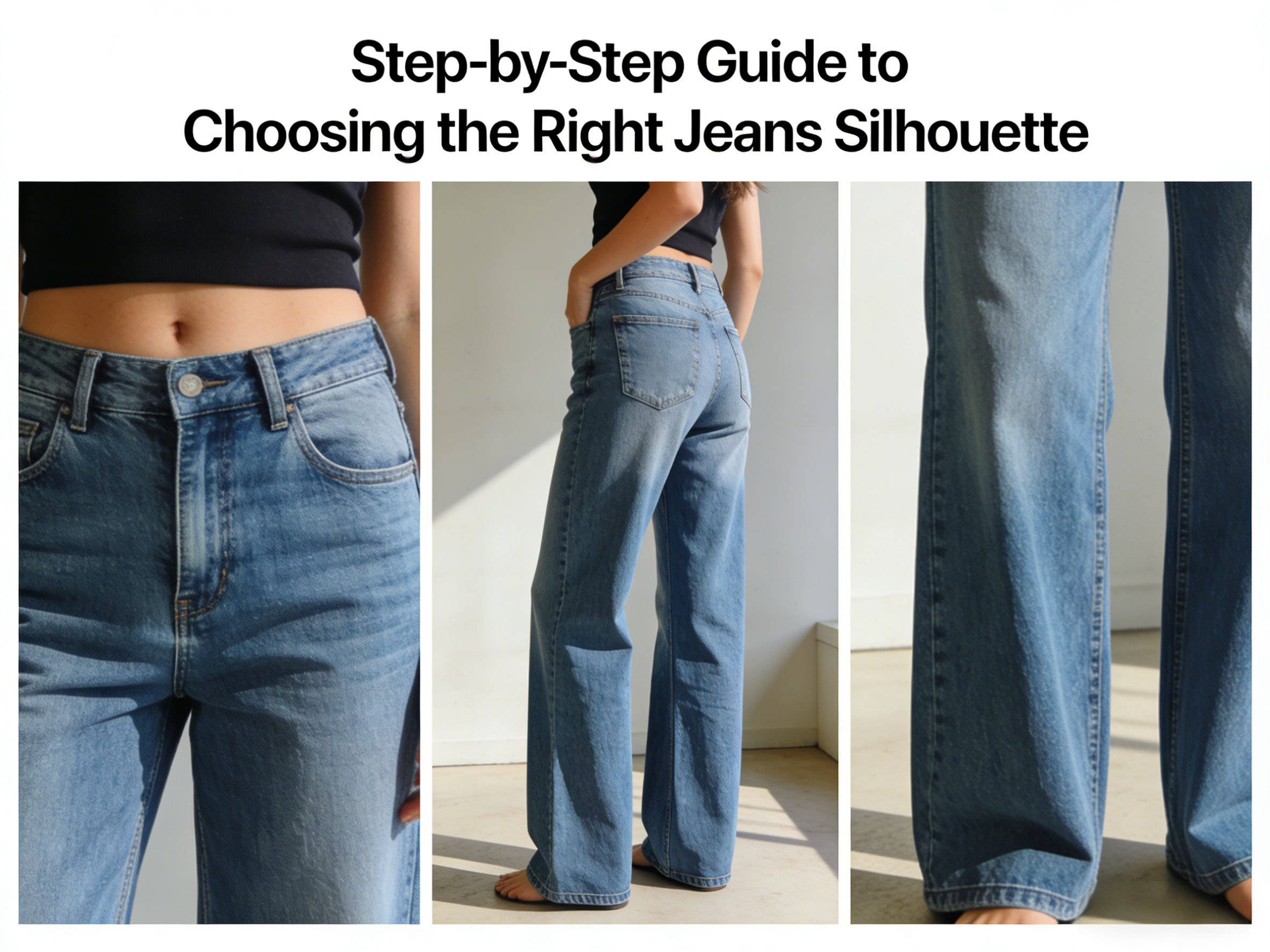
You can find your perfect match when it comes to jeans. This guide helps you discover the perfect pair of jeans by focusing on your unique body. Many people feel lost in the search, but understanding your body and jeans styles makes finding the right fit easier. You get more comfort and confidence with jeans that suit your shape.
Knowing your body type narrows your choices, so you try jeans that actually fit.
The right fit boosts your comfort and self-assurance.
Jeans shopping feels personal, but learning about fits and body shapes brings you closer to the perfect match.
Key Takeaways
Understanding your body type helps you narrow down jeans options, making it easier to find a perfect fit.
Choosing the right jeans silhouette enhances comfort and boosts your confidence, allowing you to express your style.
Accurate measurements are crucial; use a measuring tape to find your waist, hips, and inseam for the best fit.
Different rises and inseams can dramatically change how jeans look and feel, so experiment to find what suits you best.
Straight-leg jeans are a versatile choice that flatters most body types, making them a reliable staple in your wardrobe.
Jeans Fit Guide Basics
You might feel overwhelmed by all the jeans terms out there. This jeans fit guide breaks down the basics so you can shop with confidence. When you know what each word means, you can spot the right pair for your body and style. Let’s start with the essentials.
Key Jeans Silhouettes Explained
You see so many jeans shapes in stores. Each silhouette creates a different look and feel. Here’s a quick table to help you compare the most common jeans silhouettes:
Jeans Silhouette | Characteristics |
|---|---|
Wide-leg jeans | Loose fit, wide from the knee down |
High-rise straight cuts | Sits at the natural waist, straight from hip to hem |
Cropped flares | Fitted through the thigh, flares out below the knee |
Vintage-inspired | Classic styles reminiscent of past decades |
Distressed jeans | Features rips or fraying for a worn look |
Embellished jeans | Decorated with details like sequins or patches |
Straight-leg jeans | Straight cut from hip to hem, versatile fit |
Skinny jeans | Tight-fitting, hugs the body for a sleek look |
Flared jeans | Fitted through the thigh, flares out at the hem |
Boyfriend jeans | Relaxed fit, often low-rise and baggy |
You can use this guide to spot which silhouette matches your vibe.
Understanding Rise, Inseam, and Stretch
You’ll notice three words pop up a lot when you shop for jeans: rise, inseam, and stretch. Here’s what they mean for your fit:
Rise tells you where the jeans sit on your body. It shapes your torso and highlights your waistline.
Inseam is the length from the crotch to the hem. It changes how jeans fall over your shoes and affects your overall look.
Stretch means how much the fabric moves with you. More stretch gives you a snug fit and lets you move easily.
How Fabric Impacts Fit
Not all denim feels the same. The type of denim changes how your jeans fit and last. Check out this table for a quick comparison:
Denim Type | Durability Characteristics | Comfort Characteristics |
|---|---|---|
Raw Denim | High durability, personalized fading | Ideal for enthusiasts seeking unique wear |
Selvedge Denim | Exceptional durability, fray prevention | Perfect for premium, long-lasting denim lovers |
Stretch Denim | Superior comfort, mobility, and fit retention | Great for active lifestyles and fitted styles |
Sanforized Denim | Consistent fit, low shrinkage | Suitable for mass market and casual wear |
Unsanforized Denim | Superior fading and authentic characteristics | Favored by denim collectors and vintage style fans |
Heavyweight Denim | Outstanding durability | Ideal for workwear and serious denim enthusiasts |
Tip: If you want jeans that move with you, look for stretch denim. If you want jeans that last for years, try selvedge or heavyweight denim.
Now you know the basics. This jeans fit guide sets you up for the next step—finding your perfect pair.
Measuring for the Perfect Fit
Tools and Preparation
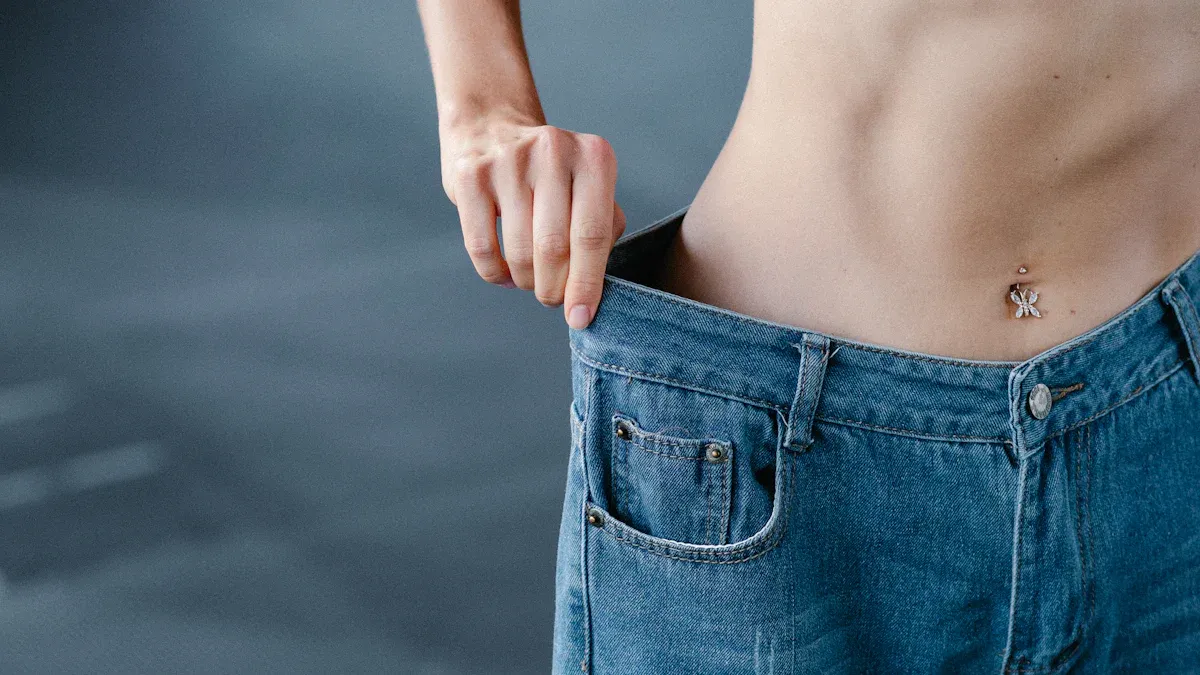
Before you start measuring, gather a few simple tools. You want to make sure your numbers are accurate, so grab these items:
A soft measuring tape that wraps smoothly around your body.
A full-length mirror to check your technique.
Slim-fitting clothes, like leggings and a tank top, so you measure your body, not bulky fabric.
A friend for a second opinion, or your smartphone to snap a quick photo for reference.
These tools help you get the best results for jean fitting. You set yourself up for success when you prepare the right way.
Step-by-Step Measurement Process
Getting your measurements right makes shopping for jeans much easier. Follow these steps to measure your waist, hips, and inseam:
Put on a pair of jeans that already feel comfortable.
Find the inseam—the seam running along the inside of your leg.
Place the measuring tape at the top of the inseam and run it down to the hem.
Record the length you see on the tape.
For your waist, wrap the tape around the narrowest part of your torso. For your hips, measure the fullest part. Write down each number. These steps give you the numbers you need to find the right fit.
Tip: Always stand straight and relaxed while measuring. You want numbers that reflect your true shape.
Using Your Measurements
Now you have your numbers. Use them to compare sizing charts when you shop for jeans. Many brands offer online tools that match your measurements to their styles. Some advanced AI sizing tools even analyze your body data from photos and give instant recommendations. This technology boosts your confidence and helps you pick jeans that fit well, so you avoid returns.
Technology Type | Accuracy with Body Measurements | Impact on Fit Confidence |
|---|---|---|
Advanced Virtual Try-On | High | Strong |
Simple Sizing Tools | Low | Weak |
Accurate measurements make jean fitting less stressful. You get jeans that look and feel great every time.
Identify Your Body Shape
Common Body Types
You might wonder which body types show up most often in fashion and jeans guides. Here are the most recognized ones:
Hourglass
Pear (Triangle)
Apple (Round/Oval)
Rectangle (Straight)
Inverted Triangle
Spoon
Diamond
Each body type has its own unique features. When you know your body type, you can start to see which jeans will flatter your shape best.
The Body Matrix Exercise
The body matrix exercise helps you figure out your shape by breaking down your features into three main factors:
Width: Look at your shoulders, waist, and hips to see where you are widest.
Length: Notice if your torso or legs seem longer.
Shape: Check if your body has curves or stays straight from top to bottom.
This exercise lets you see your body in a new way. You can use what you learn to pick jeans that highlight your best features. When you understand your shape, dressing becomes easier and more fun.
Tip: Stand in front of a mirror and use the body matrix exercise to get a clear idea of your shape before shopping for jeans.
Why Shape Matters for Jeans
Your shape plays a big role in how jeans fit and look on you. Designers now create jeans with features like contoured waistbands and stretch panels. These details help jeans hug your body in the right places and prevent gaps at the waist. If you have curves or a smaller waist-to-hip ratio, these jeans can give you a better fit and a more flattering look. Picking jeans that match your shape means you get comfort, style, and confidence every time you wear them. Dressing for your shape helps you feel your best in any pair of jeans.
Best Jeans for Your Body Shape
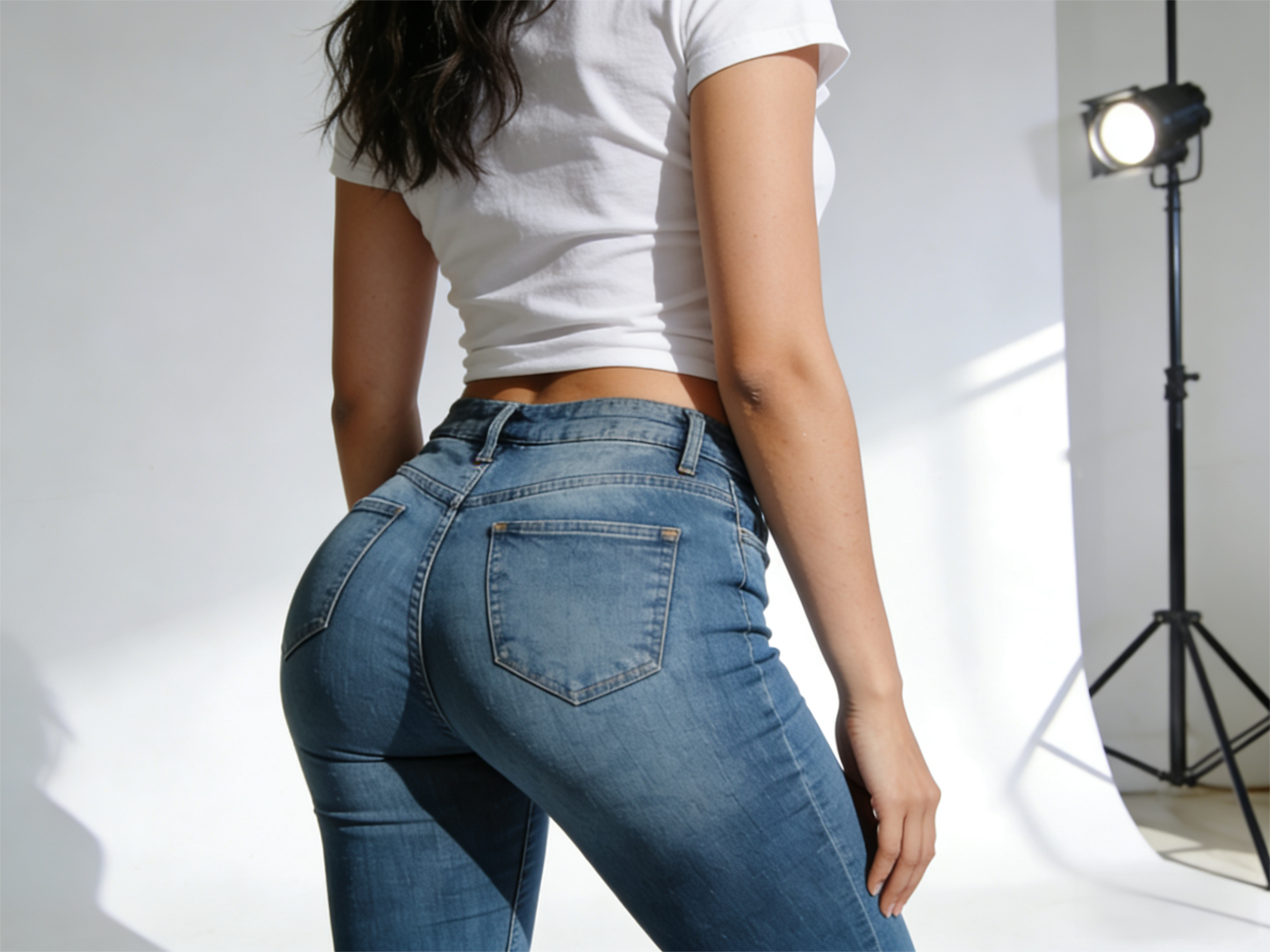
Finding the right fit can feel overwhelming, but this guide makes it simple. You can use your body shape as a starting point to discover the best jeans for your style and comfort. Let’s break down the best silhouettes and regular-fit options for every shape, so you always feel confident in your denim.
Hourglass: Highlighting Curves
If you have an hourglass shape, your waist is defined and your hips and shoulders are balanced. You want jeans that hug your curves without gapping at the waist. The best jeans for you will highlight your natural silhouette and give you a comfortable, regular fit.
Here’s a quick table to help you choose:
Jeans Style | Description |
|---|---|
High-rise Curvy Skinny | Hugs your waist and hips, prevents gapping, and gives a slim, flattering fit. |
Mid-rise Ankle Skinny | Accentuates curves, shows off ankles, and pairs well with both casual and dressy tops. |
High-rise Flare | Highlights your waist and balances your shape, creating a long, lean look. |
Barrel-Leg Jeans | Roomy through the thigh, tapers at the ankle, and suits your curves. |
Kick Flare Jeans | Fitted through the hip and thigh, subtly elongates your legs, and flatters your silhouette. |
You can also try these popular picks:
The Hi Honey: High-rise, curvy skinny jeans that hug your waist.
The Luna: Mid-rise, ankle skinny jeans for a slim, regular fit.
The Mia: High-rise, flare jeans that highlight your waist and balance your body.
Tip: Look for denim with a bit of stretch for the right fit and all-day comfort.
Pear: Balancing Proportions
Pear shapes have hips wider than shoulders. You want jeans that balance your proportions and draw attention upward. The best jeans for your body will slim your hips and create a regular fit through the legs.
Jeans Style | Description |
|---|---|
Dark wash bootcut jeans | Slim at the thigh, flared at the ankle, balances your lower and upper body. |
Mid- or high-rise jeans | Work well for balancing your shape and creating a smooth line. |
Relaxed fitted jeans | Straight-cut, wide-cut, or flare styles are optimal for pear shapes. |
Avoid skinny jeans | These can draw too much attention to your lower body and disrupt your silhouette. |
Try regular fit jeans in dark washes for a slimming effect. Bootcut and flare silhouettes help even out your shape. If you love slim-fit jeans, choose a mid-rise or high-waisted style to keep your proportions balanced.
Apple: Creating Definition
Apple shapes carry more volume around the midsection and often have slimmer legs. You want jeans that create definition at the waist and offer a regular fit through the hips and thighs. The best jeans for your body will help you feel supported and stylish.
High-waisted jeans tuck in your tummy and define your waist.
Straight-leg or slightly flared jeans balance your shoulders and create a long, lean line.
Look for wide waistbands and flat-front denim styles to minimize bulk and give you a smooth fit.
Note: High-rise jeans with a bit of stretch can give you the right fit and extra comfort.
Rectangle: Adding Shape
Rectangle body types have shoulders, waist, and hips that are about the same width. You want jeans that add curves and create a more defined silhouette. The best jeans for your body will give you shape and a regular fit that feels natural.
Jeans Cut | Benefits |
|---|---|
Flare Jeans | Adds drama and lengthens your legs. |
Straight Leg Jeans | Classic cut, balances your shape. |
Wide Leg Jeans | Flowy, adds volume, and highlights your waist. |
High-Waist Jeans | Defines your waist and elongates your legs. |
Boyfriend Jeans | Relaxed fit, adds volume to your lower half. |
You can also try:
Flare and bootcut jeans for a fluid, balanced look.
Wide leg jeans to add volume and structure.
Slim-fit jeans with a high waist to create curves.
Petite & Tall: Proportion Tips
Getting the right fit is all about proportion. If you’re petite, look for jeans with an inseam of 26 inches or less for flats. Choose sizes labeled “P” or “Petite” to get the best jeans for your body. Mid- or high-rise waists help create the illusion of height. Avoid wide cuffs, which can make your legs look shorter.
If you’re tall, regular fit jeans with longer inseams will keep your silhouette balanced. Slim-fit jeans and skinny jeans with a high waist can show off your long legs. Try different fits to see what feels best for your body.
Tip: Petite and tall shoppers should always check the inseam and rise for the right fit.
Straight Jeans: The Universal Fit
Straight-leg jeans are the best jeans for almost every body. This style has a consistent width from thigh to ankle, which balances your proportions and flatters your shape. You can wear straight jeans if you’re pear, apple, hourglass, or rectangle. They don’t cling like skinny jeans, but they still give you a slim, regular fit.
Straight jeans work with any outfit. You can dress them up or down, and they always feel comfortable. If you want a pair of jeans for your body that never goes out of style, straight-leg denim is your go-to.
How Different Silhouettes Enhance Your Shape
You can use different fits and silhouettes to enhance or balance your body. Here’s a quick guide:
Bootcut jeans blur your thighs and balance your silhouette with a flared leg.
Wide leg jeans create fuller hips, perfect for V-shaped bodies.
Balloon jeans offer a rounded cut at the hips, balancing inverted pyramid shapes.
Skinny jeans, especially high-waisted, highlight your legs and slim your waist—great for petite figures.
Slim-fit jeans and regular fit jeans work for most shapes, giving you a tailored look without feeling tight.
Remember: The best silhouettes for you are the ones that make you feel confident and comfortable. Try different fits and see what works for your unique body.
This guide helps you find the best jeans for your body shape, whether you love skinny jeans, slim-fit jeans, or regular fit jeans. Denim comes in so many styles, so don’t be afraid to experiment until you find the right fit.
Extra Fit Factors for Comfort & Style
Choosing the Right Rise
Rise changes how jeans feel and look on your body. You want the right rise for your shape and comfort. High-rise jeans sit above your waist and give support. Mid-rise jeans rest at your natural waist and work for many body types. Low-rise jeans sit below your waist and can change your silhouette. Check out this table to see which rise works best for your style and body:
Body Type | Ideal Rise | Benefits of Rise |
|---|---|---|
Apple-shaped | High-rise | Provides coverage and support, defines waist. |
Mid-rise | Comfortable, sits at natural waist, avoids emphasis on midsection. | |
Low-rise | May not be flattering, emphasizes midsection. | |
Hourglass | High-rise | Highlights waistline beautifully. |
Mid-rise | Versatile fit, flattering without overshadowing curves. | |
Low-rise | May not accentuate waist as much. | |
Petite frames | High-rise | Creates illusion of longer legs. |
Mid-rise | Sits just above hips, can work well. | |
Low-rise | May make legs appear shorter. |
Tip: High-rise skinny jeans can make your legs look longer and highlight your waist. Try different rises to see what gives you the best comfort and style.
Inseam and Leg Length
Inseam affects how jeans fit your legs and your overall style. You want the right length for your height and the look you want. Cropped, ankle, and full-length jeans each create a different silhouette. Use this table to find your best inseam:
Height Category | Cropped Length | Ankle Length | Full Length |
|---|---|---|---|
Petite (Under 5’3”) | 24–25” (5’0” and under) | 25–26” | 27–28” |
25–26” (5’1”–5’3”) | 26–27” | 28–29” | |
Average Height (5’4”–5’7”) | 26–27” (5’4”–5’5”) | 27–28” | 29–30” |
27–28” (5’6”–5’7”) | 28–29” | 30–31” | |
Tall (5’8” and above) | 27–28” (5’8”–5’9”) | 29–30” | 31–32” |
28–29” (5’10”–6’0”) | 30–31” | 32–34” |
If you love skinny jeans, ankle length works for most shapes and keeps your style modern. Full-length skinny jeans give a classic look and fit well with boots or sneakers.
Fabric and Stretch Tips
Denim fabric and stretch change how jeans feel and last. You want a blend that gives comfort and keeps its shape. Skinny jeans with 2-3% spandex stretch more and recover better, so they keep their fit all day. A 98/2 cotton-spandex blend gets high marks for comfort and style. Too much stretch can lower durability, but too little can make jeans stiff.
1% spandex: Light stretch, keeps shape, but less comfort.
2-3% spandex: More stretch, better fit, less sagging.
4-5% spandex: Maximum stretch, but may wear out faster.
Note: Many people prefer skinny jeans with 2% spandex for the best mix of comfort and fit. If you want jeans that last, try denim with less stretch or a cotton-rich blend.
You can find your perfect jeans by mixing the right rise, inseam, and fabric. Try different styles and see what feels best for your body and your comfort.
Trying On Jeans: Fit Evaluation
Fitting Room Checklist
You want to make sure your jeans look and feel right before you buy them. Use this checklist in the fitting room to help you decide if you’ve found the perfect pair:
Description | |
|---|---|
Customer Perspective | Ask yourself if the jeans look stylish and well-made. |
Stitching Quality | Check if the stitching is straight and neat. |
Comfort and Movement | Notice if you can move easily and feel good in the jeans. |
Look for sagging spots or drag lines in the fabric. | |
Size Appropriateness | Make sure the jeans are the right size for your body. |
Length Suitability | See if the length works with your shoes and style. |
Component Functionality | Test buttons, zippers, and pockets to see if they work well together. |
Ease of Use | Try putting the jeans on and taking them off to check for any struggles. |
Tip: Take your time in the fitting room. A good fit means you’ll wear your jeans more often.
Move Test for Comfort
You want jeans that move with you and keep you comfortable all day. Try these simple moves in the fitting room:
Sit, squat, and walk around. Notice how the fabric feels at your knees and hips.
Slide two fingers between the waistband and your stomach. This checks for comfort without being too loose.
Take a quick photo from different angles. You can see how the jeans look when you move.
Look for soft, stretchy fabric that moves with you.
Make sure the waistband feels comfortable and doesn’t dig in.
Choose the right fit for your body to avoid tight spots or sagging.
Note: If you feel restricted or uncomfortable, try a different size or style.
Details: Pockets and Waistband
Small details can change how your jeans fit and look. The waistband should sit snugly at your waist and prevent gaps at the back. High-rise styles often give a better fit because they follow your body’s natural curves. Pocket placement also matters. Well-placed pockets can shape your silhouette and make your jeans look more flattering. Always check these details before you decide on a pair.
Troubleshooting Jeans Fit Issues
Waist Gapping Solutions
You notice a gap at the waistband every time you sit or move. This problem can ruin the comfort and silhouette of your jeans. You have a few easy fixes. Try using a belt or a waistband pin for a quick solution. You can also use the “jeans button” trick to tighten the fit. If you want a permanent fix, add a waistband elastic insert. This gives your jeans a flexible fit that adapts to your shape. A tailor can add darts to the denim for a clean finish. Picking the right size and cut from the start helps prevent waist gapping.
Tip: If the gap is more than two inches, see a professional for reshaping.
Fixing Baggy Knees or Seat
Baggy knees or a loose seat make your jeans look sloppy and affect comfort. You can pin the seat for a temporary lift. If you want a lasting solution, add darts to the back yoke or take in the seat seam with a sewing machine. For a complete seat reconstruction, visit a tailor. Here’s a quick table for reference:
Fit Problem | Quick Fix (No-Sew) | DIY Sewing Solution | When to See a Pro |
|---|---|---|---|
Baggy Seat | Pin for temporary lift | Add darts or take in seat seam | Full seat reconstruction |
Adjusting Thigh Fit
Jeans that feel too loose or tight in the thighs can ruin your comfort. You can mark your desired fit with chalk, sew along the line, and backstitch to secure the new shape. Try on the jeans before trimming any excess fabric. If you want a no-sew option, pin the jeans inside out and use double-sided fabric tape along the marked line. This method lets you experiment with the fit before making changes.
Hem Length Adjustments
Jeans that are too long or short can mess up your look and comfort. You can fold the hem to your desired length, pin it, and sew just above the original hem to keep the classic look. For a simple fix, cuff the jeans or cut them for a raw edge. Wash them to let the hem fray naturally. Fashion tape works for a temporary hem if you want to test the length first.
Note: Always check the hem with your favorite shoes to make sure the length matches your style.
Your Perfect Match Checklist
You want jeans that make you feel great every time you wear them. This guide gives you a simple checklist and chart to help you shop with confidence. Use these tools to find the best fit for your body and style.
Quick Reference Chart
Here’s a chart you can use when you’re shopping for jeans. It covers the main points you should check before you buy:
Step | What to Look For | Why It Matters |
|---|---|---|
Fit | Snug at waist, hips, and thighs | Ensures comfort and style |
Shape | Matches your body type (hourglass, pear, etc.) | Flatters your silhouette |
Waist Height | High-rise, mid-rise, or low-rise | Impacts leg length and comfort |
Leg Style | Straight, skinny, wide, flare, bootcut | Changes your overall look |
Fabric | Rigid or stretch denim | Affects comfort and durability |
Wash | Dark, light, or distressed | Sets the vibe of your outfit |
Length | Cropped, ankle, or full-length | Works with your shoes |
Quality | Strong stitching, good hardware | Lasts longer and looks better |
Tip: Always try on jeans with the shoes you wear most. This helps you see if the length and style work for your everyday outfits.
Step-by-Step Shopping List
Follow these steps to find your perfect jeans match. You’ll feel more confident and comfortable with every pair you try.
Explore different fits like regular, slim, and skinny jeans.
Try flare and bootcut styles to balance your shape and add flair.
Check the leg shape—loose and wide-leg jeans offer comfort, while skinny jeans highlight slender frames.
Pick the right waist height. High-waisted jeans make your legs look longer. Mid-rise fits most shapes.
Choose fabric that feels good. Rigid denim lasts longer. Stretch jeans give you more comfort.
Experiment with washes. Dark washes work for many occasions. Light washes feel casual.
Think about your shoes and how you’ll style your jeans.
Invest in quality jeans for better comfort and durability.
Remember: The best jeans for you are the ones that fit your body, match your shape, and feel comfortable all day.
You now have the tools to find your perfect match in jeans. Start with your body shape, explore each style, and use the checklist for every shopping trip. Your perfect match is out there, waiting to boost your confidence and show off your unique style. Try new silhouettes and trust your instincts. Every body deserves a perfect match, so let your style shine. Jeans shopping can feel fun when you focus on your perfect match and embrace your style journey!
FAQ
How do I know if my jeans fit correctly?
You should feel comfortable at the waist, hips, and thighs. The jeans should not pinch or sag. Try sitting and walking. If you can move easily, you have a good fit.
Can I shrink my jeans if they feel loose?
Most jeans shrink a little after washing. If you want a tighter fit, wash them in warm water and dry on high heat. Always check the care label first.
What should I do if my jeans stretch out during the day?
Jeans with more stretch may loosen after a few hours. You can size down or choose denim with less spandex. Try a belt for a quick fix.
Are straight-leg jeans good for every body type?
Yes! Straight-leg jeans work for most shapes. They balance your proportions and look great with many outfits. You can dress them up or keep it casual.