
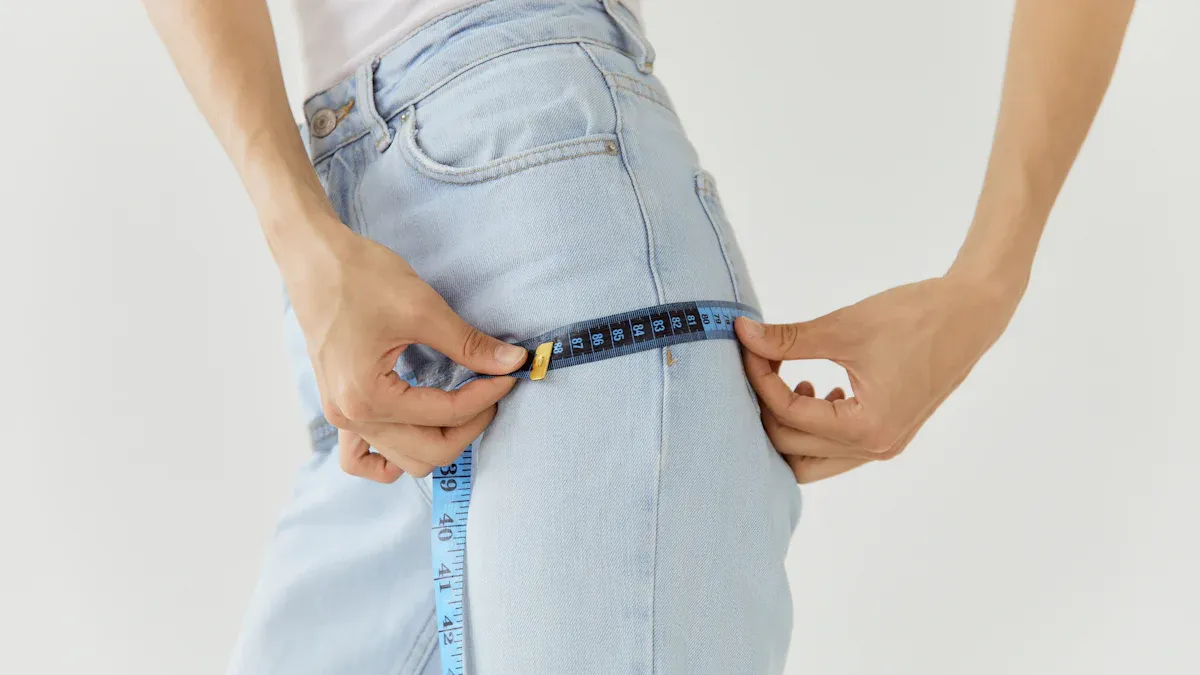
If you want to choose the perfect jeans, you need to think about denim weight, weave, and fit. These three details help you choose the perfect jeans for comfort, durability, and style. You can choose the perfect jeans for any occasion if you know how fabric weight changes the way jeans feel. Some people love selvedge denim for its strong shape and premium look. Others choose the perfect jeans that keep their size and shape after washing. You can choose the perfect jeans that match your mens style and personal taste every time.
Key Takeaways
Denim weight affects comfort and durability. Choose lightweight for summer, midweight for versatility, and heavyweight for cold weather or tough jobs.
The weave of denim influences its look and feel. Twill offers a classic texture, selvedge provides a premium finish, and stretch denim adds flexibility.
Finding the right fit is crucial. Measure your waist and inseam, and consider your body shape to select the best style for comfort and confidence.
Use a shopping checklist to ensure you choose the right jeans. Check measurements, rise, weight, and fit before making a purchase.
Trust your personal style and preferences. The perfect jeans should feel good, look great, and match your lifestyle.
How to Choose the Perfect Jeans by Denim Weight
Denim Weight Explained
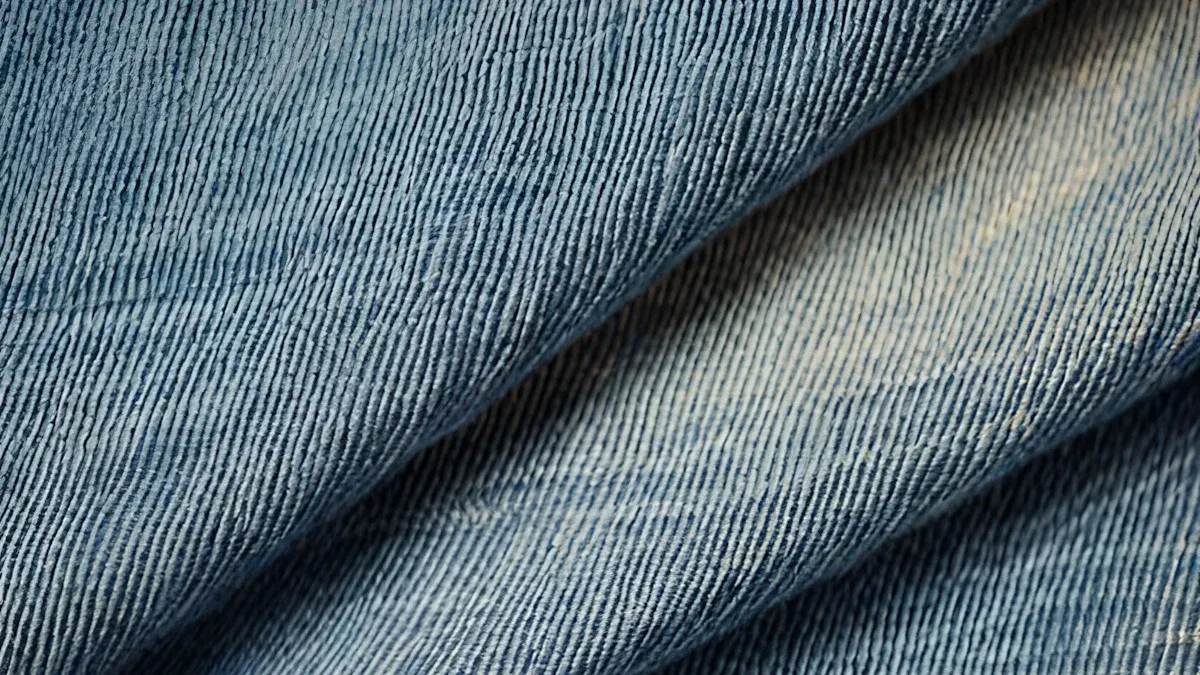
When you shop for jeans, you might notice labels mentioning denim weight. This number tells you how heavy the denim fabric is, measured in ounces per square yard. Denim weight shapes how your jeans feel, move, and last. Heavier denim resists your body’s curves and movement, giving you a more structured look. Lighter denim feels softer and lets more air flow, which keeps you cool in warm weather.
Denim Weight Range (8-20oz)
Most jeans use denim fabric that falls between 8 and 20 ounces. Here’s a quick look at the main categories:
Denim Weight Category | Weight Range (oz) | Climate Suitability | |
|---|---|---|---|
Lightweight Denim | 8–12 | Hot weather | Flexible, breathable, comfortable for movement |
Midweight Denim | 12–14 | Most seasons | Balanced breathability and toughness, suitable for daily wear |
Heavyweight Denim | 14+ | Cold weather | Superior protection, warmth, and durability for labor-intensive tasks |
Lightweight vs. Midweight vs. Heavyweight Jeans
You’ll find that lightweight denim feels soft and flexible. It’s perfect for summer or if you want jeans that move with you. Midweight denim gives you the best of both worlds—enough structure for style, but still comfortable for everyday wear. Heavyweight denim stands out for its durability and warmth. If you need jeans for tough jobs or cold days, heavy-duty denim is your best friend.
Tip: Midweight stretch denim works great for daily wear. It balances comfort and structure, so you can wear it almost anywhere.
Matching Denim Weight to Climate and Use
Think about your climate and lifestyle before picking denim weight. Lightweight denim keeps you cool in hot weather, while heavyweight denim insulates you in winter. Heavy-duty denim fabric lasts longer and stands up to rough use. If you want jeans for all seasons, midweight jeans or mid/heavy-weight denim offer a solid choice. Heavy-duty denim with reinforced stitching and double layers boosts durability, making it ideal for work or outdoor adventures.
Lightweight denim: Best for hot climates and casual outings.
Midweight denim: Great for daily wear and most seasons.
Heavyweight denim: Choose for cold weather, heavy-duty tasks, or when you want jeans that last.
Best Jeans Weave Types
Twill, Selvedge, and Stretch Denim
You see a lot of different denim weaves when you shop for jeans. Twill is the classic choice. It has a rough texture and diagonal ribs that give jeans their signature look. Selvedge denim feels smoother and looks clean at the edges. It uses high-quality cotton and often comes in heavier weights. Stretch denim uses elastane to add flexibility. This type feels softer and lets you move easily.
Here’s a quick table to help you compare:
Characteristic | Denim Twill | Selvedge Denim | Stretch Denim |
|---|---|---|---|
Texture | Rough, diagonal ribs | Smooth, clean finish | Softer, flexible |
Weight | Heavier | Heavier, premium cotton | Lighter, added stretch |
Durability | Very durable | Durable, premium quality | Less durable |
Dyeing Technique | Indigo, fades over time | Indigo, various finishes | Indigo, color stays |
Weave Type | 3×1 right-hand twill | Traditional twill | Blend with elastane |
Applications | Workwear, casual | Premium jeans | Fitted, casual jeans |
Weave Impact on Look and Feel
The weave changes how denim looks and feels. Twill weave gives jeans a strong, textured surface. You get a classic style with good volume. Selvedge weave makes jeans look crisp and neat. Stretch denim feels softer and hugs your body. You notice more comfort and flexibility with stretch denim, especially in fitted styles.
Some weaves, like broken twill or herringbone, add unique patterns. These can make your jeans stand out. Slub and neps textures give a retro or vintage vibe. Satin weave feels smooth and drapes well, but you mostly see it in pants with more stretch.
Tip: If you want jeans that keep their shape after hours of wear, look for denim with good stretch and recovery. High-quality stretch denim springs back and avoids sagging at the knees or waist.
Choosing the Right Weave for Your Needs
Pick a weave that matches your body type and lifestyle. Classic rigid cotton works well for workwear and casual jeans. It offers durability but feels stiff at first. Stretch denim suits you if you want comfort and flexibility. It moves with your body and works great for everyday wear.
Athletic bodies look best in straight-leg or slim-fit jeans. These styles use stretch denim for a tailored fit.
Curvy bodies benefit from bootcut or high-waisted jeans. Stretch denim highlights curves and adds comfort.
Pear shapes do well with bootcut or flare jeans. These balance your hips and give a longer look.
Hourglass shapes shine in high-rise skinny or bootcut jeans. These styles show off your waist and curves.
You also help the planet when you choose jeans made with sustainable denim. Cotton uses a lot of water and pesticides, but new denim technology can lower water use by half. Heavier denim lasts longer but needs more resources to make. If you want eco-friendly jeans, look for brands that use less water and better materials.
Best Mens Jeans Fit and Sizing
How to Measure for Jeans
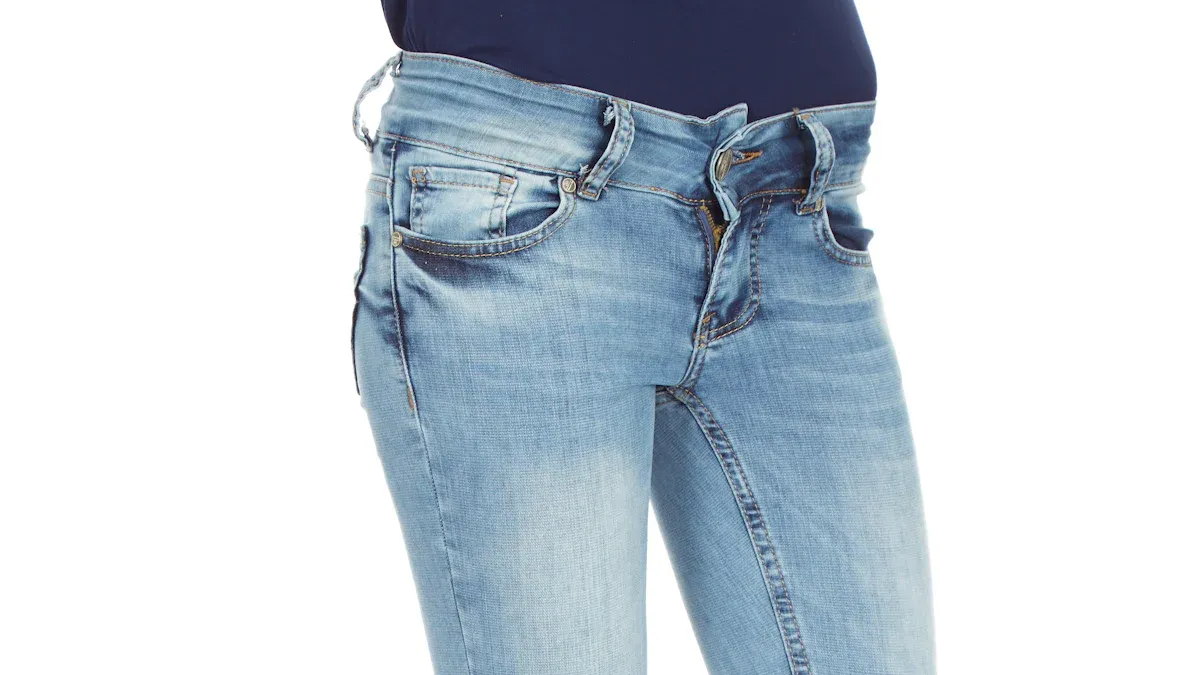
Getting the right size starts with knowing your measurements. You want your mens jeans to feel good and look sharp. Here’s how you can measure for the best jeans:
Find your natural waistline. This is the narrowest part of your torso, just above your belly button. Wrap a flexible measuring tape around your waist. Keep it parallel to the floor and snug, but not tight.
For the inseam, measure from the inside crotch seam down to where you want your jeans to end. Most people stop at the ankle bone.
To check the rise, lay your jeans flat. Measure from the crotch seam straight up to the top of the waistband.
Tip: Always measure in inches for accuracy. Write down your numbers before you shop for mens jeans.
Understanding Rise, Inseam, and Leg Opening
Rise, inseam, and leg opening shape how your mens jeans fit and feel. The rise tells you where the waistband sits on your body. High-rise jeans sit at your waist, while low-rise jeans rest below it. The inseam decides the length of your jeans. If you want a clean look, make sure the inseam matches your leg length. The leg opening affects the silhouette and how your jeans fall over your shoes. A wider opening gives a relaxed vibe, while a narrow one looks modern.
You want to pay attention to these details. They change the comfort and style of your denim. The right rise and inseam help you avoid jeans that bunch up or feel too tight. The leg opening can make your legs look longer or give you a classic straight look.
Matching Fit to Body Shape
Not every pair of mens jeans works for every body type. You want the best jeans that match your build and give you confidence. Here’s a quick guide to help you choose:
Body Type | Recommended Fit | Description |
|---|---|---|
Slim & Tall Guys | Regular or Slim-Fit | Adds balance and enhances height. High-rise works well. |
Shorter Men | Mid-Rise Slim/Straight | Creates a longer look. Avoid stacking at the hem. |
Athletic Builds | Athletic/Straight-Leg | Shows off your build. Skip super slim fits for more comfort. |
Stockier Guys | Regular/Relaxed Fit | Gives room without looking oversized. Mid-to-high rise is best. |
You want to match your jeans fit to your shape. Slim and tall men look great in regular or slim-fit styles. Shorter men should try mid-rise slim or straight fits to look taller. Athletic builds need athletic or straight-leg jeans for comfort and style. Stockier men do best with regular or relaxed fits that offer space without bulk.
Tips for Finding the Best Fit
You want your mens jeans to balance tightness and looseness. Too tight, and you lose comfort. Too loose, and you lose style. Here’s a table to help you see how different fits work:
Tightness | Looseness | Comfort Impact | Style Impact | |
|---|---|---|---|---|
Skinny Jeans | High | Low | Minimal ease, may restrict movement | Sleek silhouette |
Tapered Jeans | Medium | Medium | Some movement, balanced fit | Modern look with defined shape |
Straight Fit | Low | Medium | Good for activities | Classic and versatile |
Relaxed Fit | Low | High | Maximum comfort, easy movement | Casual and laid-back |
Here are the most popular mens jeans fits and what makes each one unique:
Rise Position | Thigh Ease | Knee Profile | Leg Opening Shape | Overall Silhouette | Best For | Notes | |
|---|---|---|---|---|---|---|---|
501 | At waist | Regular | Straight | Straight | Original straight | Balanced proportions; fuller seat and thigh | Button fly; heritage block |
502 | Below waist | Regular | Slightly narrowed | Regular taper | Modern tapered straight | Room up top with a clean taper | Lower rise than 501 |
505 | At waist | Regular | Straight | Straight | Regular straight | Thicker legs; classic straight fit | Zipper fly; fuller than 514 |
511 | Below waist | Slim | Slim | Mild taper | Slim | Lean legs, mild taper, modern slim profile | Less taper than 512 |
512 | Below waist | Slim | Narrow | Slim taper | Slim taper | Lean legs with sharper ankle narrowing | Most tapered slim option |
513 | Below waist | Slim | Straight | Straight | Slim straight | Slimmer top block, no taper | Straighter leg than 511/512 |
514 | Below waist | Slimmer than 505 | Straight | Straight | Modern straight | Regular build; cleaner line than 505 | Updated straight alternative to 505 |
You can also use these best practices to find your proper fit:
Skinny fit hugs your legs for a sleek style.
Slim fit feels narrow but not tight, giving a modern look.
Straight fit keeps the same width from thigh to ankle for a classic feel.
Relaxed fit gives extra room in the thighs and hips for comfort.
Tapered fit starts wide at the thighs and narrows at the ankles for a tailored finish.
Note: The best mens jeans for you will match your style, body shape, and daily needs. Try on a few styles to see what feels right.
Troubleshooting Common Fit Issues
You might run into problems when shopping for mens jeans. Here’s how to fix the most common ones:
If you need a belt to keep your jeans up, they’re too big. Try a smaller waist size.
If you can see the outline of your legs, your jeans are too tight. Go up a size or try a different fit.
Your jeans should sit close to your body but not feel skin-tight. Look for a slight taper in the leg.
The waistband should rest on your waist without a belt.
The seat should hug your butt slightly but not feel restrictive.
Use the “Pinch Test” on your thighs and calves. You should pinch about a fingertip’s worth of fabric.
The length should allow for a small break at the shoe. You can cuff them if you like a shorter look.
Tip: The proper fit means your mens jeans feel good all day. You get comfort, style, and durability in one package.
If you struggle to find the best jeans, you’re not alone. Many men feel confused by all the choices. Focus on fit, fabric, and style. The best mens jeans will give you a comfortable fit, look great, and last a long time.
Making Your Final Jeans Choice
Balancing Weight, Weave, and Fit
You want to feel confident when you pick out your next pair of jeans. Start by thinking about how denim weight, weave, and fit work together. Denim comes in different weights, so you can choose lightweight for summer or heavyweight for tough jobs. Midweight denim gives you a balance for everyday wear. The weave changes how your jeans feel and last. Right-hand twill is common and strong, while left-hand twill feels softer. Selvedge denim holds its shape and looks premium. Stretch blends add comfort and flexibility, which is great if you move a lot.
Here’s a quick table to help you compare:
Denim Weight | Description |
|---|---|
Heavyweight (14-16+ oz) | Built to last, durable for long-term wear |
Midweight (11-13 oz) | Versatile for various uses |
Lightweight (8-10 oz) | Cool and comfortable for everyday use |
When you match the right denim weight and weave to your lifestyle, you get jeans that fit well and last longer. If you want jeans for work, go for heavyweight denim with a rigid weave. For casual days, lightweight denim with a bit of stretch feels best. Always check the fit. Heavier denim keeps its shape, while lighter denim may stretch out faster. Try on different styles to see what feels right for you.
Tip: The fit of your jeans depends on the fabric. Heavier denim holds its shape, while lighter denim may loosen up after a few wears.
Jeans Shopping Checklist
Before you buy, use this checklist to make sure you get the best pair:
Measure your waist and hips with a straight tape. Use freshly washed jeans for accuracy.
Check the rise—high, mid, or low—to see where the waistband sits.
Pick the denim weight that matches your climate and activities.
Choose a weave that feels good and suits your style.
Decide if you want stretch or non-stretch denim.
Try on different fits to see what looks and feels best.
Make sure the tape measure stays straight and does not curve.
Remember, the back rise is longer than the front rise for comfort.
Note: Avoid common mistakes like measuring stretched-out denim or confusing the front and back rise. These steps help you find jeans that fit and feel great.
You now have the tools to pick jeans that match your needs. Trust your measurements and preferences. Enjoy finding the perfect pair!
When you pick jeans, think about denim weight, weave, and fit as a team. Each detail shapes how your jeans look, feel, and last:
Denim weight changes comfort and durability.
The weave adds strength and character over time.
A good fit means your jeans move with you and tell your story through unique fades.
Choosing well means you get comfort, style, and long-lasting value. Trust your checklist and your own taste. Enjoy every moment in your perfect pair!
FAQ
How do I know which denim weight is right for me?
Think about your daily routine and the weather. Lightweight denim feels cool and easy for summer. Heavyweight denim keeps you warm and lasts longer. Midweight works for most days. Try on different weights to see what feels best.
What’s the difference between selvedge and regular denim?
Selvedge denim uses a special edge that won’t fray. It looks clean when you cuff your jeans. Regular denim has a stitched edge. Selvedge often feels heavier and costs more. If you want a premium look, go for selvedge.
How can I make sure my jeans fit well?
Measure your waist and inseam before shopping. Try on a few styles and check the rise and leg opening. You want jeans that feel snug but not tight. Move around in them to test comfort.
Can I wash my jeans in the washing machine?
Yes, you can. Turn your jeans inside out and use cold water. Skip the dryer to prevent shrinking. Hang them to dry for the best results.
Tip: Wash your jeans less often to keep the color and shape longer!