
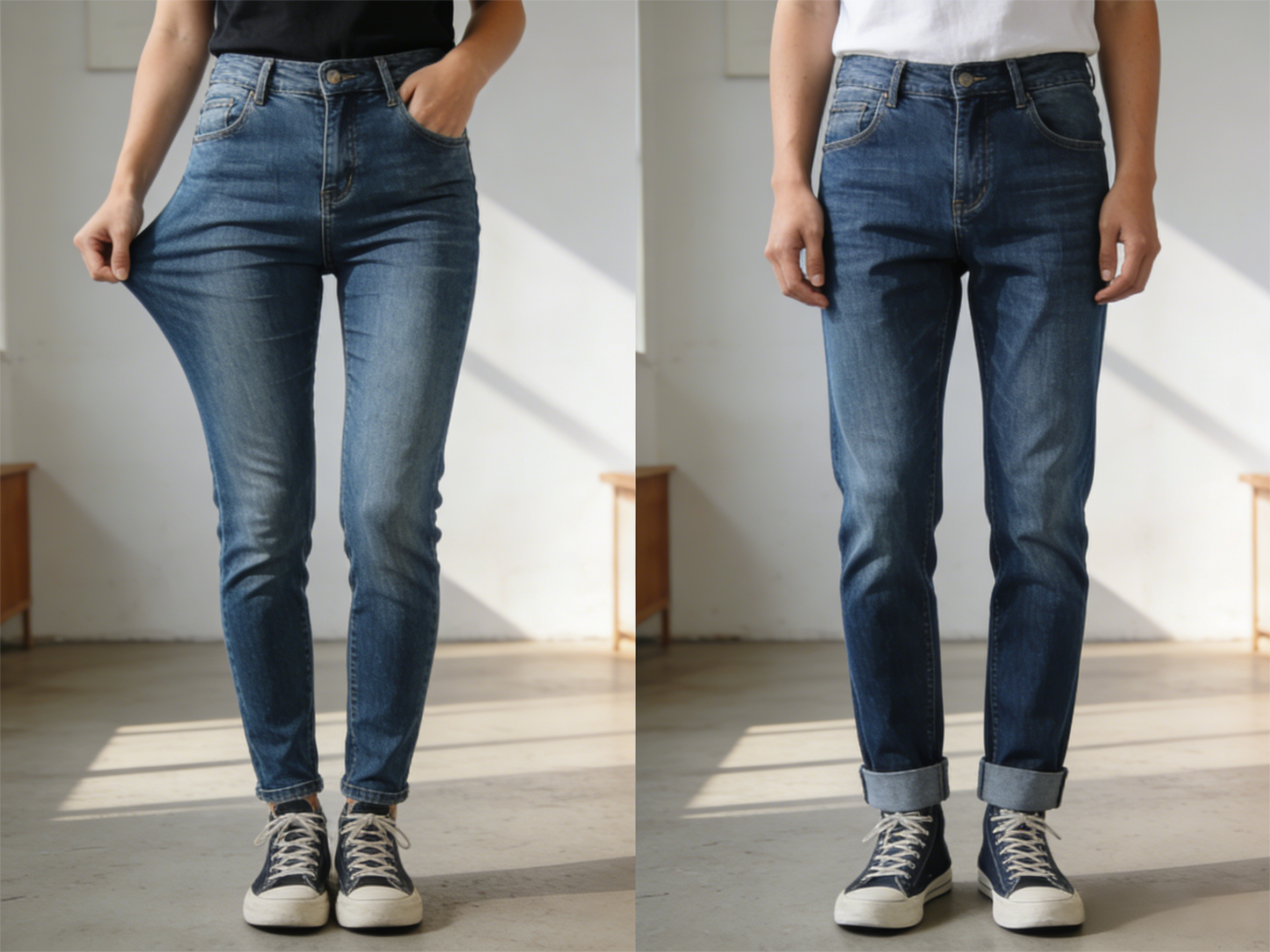
If you want jeans that feel soft, flexible, and fit your body well, you will likely prefer Stretch Denim Fabric over regular denim. Most people say stretch denim gives them more comfort and a better fit, especially when moving around. Studies show that stretch denim has high comfort and excellent fit, while regular denim feels more rigid and only offers moderate comfort. The table below highlights these differences:
Advantage | Stretch Denim | Regular Denim |
|---|---|---|
Comfort | High | Moderate |
Fit | Excellent | Good |
Recovery Performance | Superior | Average |
You can count on denim made with stretch fibers to keep its shape and feel good throughout the day.
Key Takeaways
Stretch denim offers high comfort and flexibility, making it ideal for daily wear and movement.
Regular denim provides durability and breathability, perfect for those who prioritize long-lasting jeans.
Choose stretch denim for immediate softness and a better fit, especially if you want comfort from the first wear.
Check fabric quality by feeling the weight, inspecting stitching, and looking for labels that indicate elastane or spandex.
Consider your lifestyle when choosing denim; higher stretch levels suit active days, while lower stretch offers a structured look.
What Affects Denim Comfort
Comfort and Fit
When you choose jeans, comfort and fit often come first. The way denim feels on your body depends on several physical and chemical factors. Industrial washing techniques can change the strength, stiffness, and air permeability of the fabric. These changes affect how the jeans move with you and how they feel during daily wear. Cotton-based denim stands out for its air permeability, which helps your skin breathe and keeps you cool. You will notice that stretch denim adapts to your movements and offers flexibility. Many people say they feel more comfortable and free in stretch denim, especially when they walk, sit, or bend. Ergonomic studies show that stretch denim fits a wide range of body types and activities. Regular denim, on the other hand, often feels stiff at first and may need time to break in. Some people find that regular denim can rub against the skin and cause discomfort before it softens.
Tip: If you want jeans that feel good right away, stretch denim might be your best choice for everyday comfort.
Tactile Feel
The tactile feel of denim refers to how the fabric touches your skin. In laboratory settings, experts measure properties like fabric weight, weave density, and spandex percentage to assess softness and flexibility. They also look at finishing methods and dye types, which can change the surface feel. Here is a quick look at some common testing methods:
Testing Method | Description |
|---|---|
Color Fastness | Measures how well the color of the fabric withstands washing. |
Strength Testing | Checks the durability of the fabric under tension. |
Defect Inspection | Finds flaws or imperfections in the fabric. |
You might notice that regular denim feels heavier and stiffer, while stretch denim feels softer and more flexible. Many people complain that regular denim can feel rough and may even rub the skin raw before it softens. Stretch denim, while comfortable from the start, sometimes loses its shape over time, leading to sagging in areas like the knees. Your choice will depend on whether you value immediate softness or long-term durability.
Yarn Composition in Denim Fabric
Regular Denim Yarn Structure
When you look at regular denim fabric, you see a material built for strength and durability. Most regular denim uses 100% long-staple cotton yarns. These yarns come from ring spinning, which twists the fibers tightly. This process gives the denim fabric a smooth surface and helps prevent pilling. You get a fabric that feels strong and lasts a long time. The yarn count also matters. Lower counts make the fabric thick and rugged, while higher counts create a softer, lighter feel. Here is a table that shows how yarn count affects denim fabric:
Yarn Count | Fabric Type | Characteristics |
|---|---|---|
Ne 4 | Heavy | Rugged, durable |
Ne 20 | Lightweight | Soft, summer-friendly |
You will notice that 100% long-staple cotton gives regular denim fabric its classic breathability and comfort. The 3×1 twill weave, with dyed warp and undyed weft yarns, creates the signature diagonal rib and rugged texture you expect from selvedge denim.
Stretch Denim Fabric Yarn Structure
Stretch denim fabric uses a blend of cotton and elastic fibers. Most often, you find 97–99% cotton mixed with 1–3% elastane or spandex blend. This small addition changes the way the denim fabric moves and feels. The elastic fibers give the fabric stretch and help it recover its shape after you move. The spinning method also matters. Ring spinning makes the fabric softer and stronger, while open-end spinning creates a rougher feel. The chart below shows how the percentage of spandex affects stretch and recovery in denim fabric:
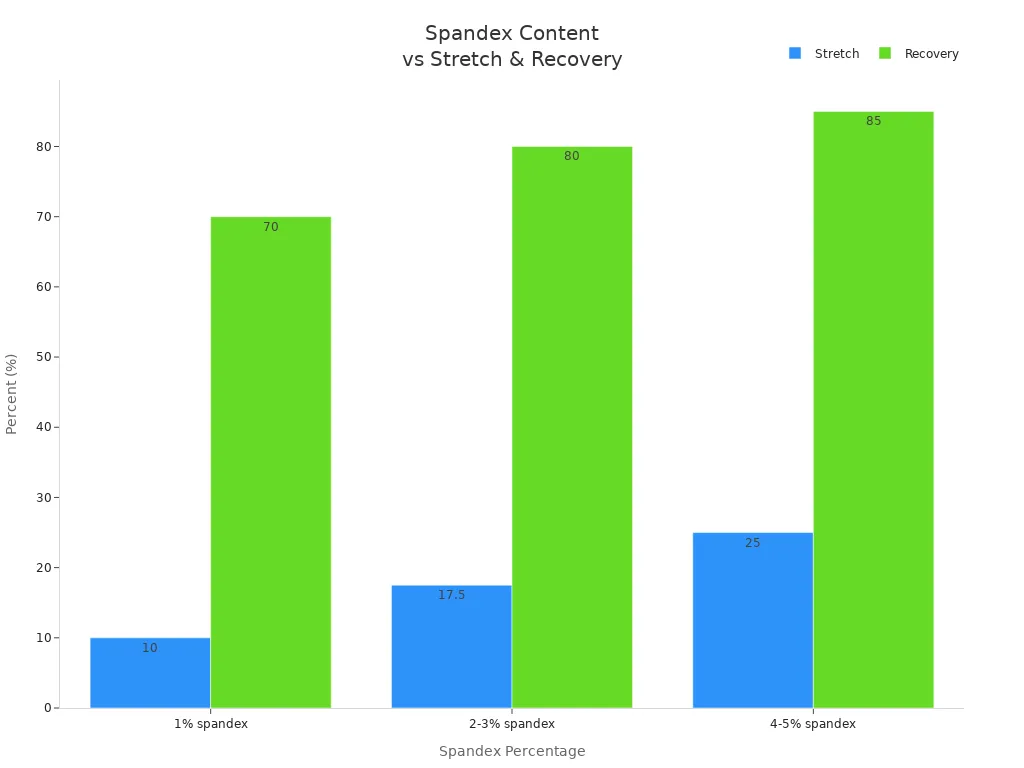
You get more flexibility and comfort as the spandex percentage increases, but too much can reduce durability.
Fiber Blends and Softness
The blend of fibers in denim fabric changes how soft and comfortable your jeans feel. Cotton-elastane blends give you stretch and recovery, making fitted styles more comfortable. Cotton-polyester blends add durability and reduce shrinkage, but they may feel less breathable. Some premium denim fabric uses Tencel or Modal for extra softness and drape. Here is a table that compares common fiber blends:
Fiber Blend | Effect on Softness and Comfort |
|---|---|
Cotton-Elastane | Provides stretch and recovery, enhancing comfort in fitted styles. |
Cotton-Polyester | Increases durability and reduces shrinkage, but may reduce breathability. |
Tencel/Modal | Offers premium softness and drape, improving hand feel and comfort. |
If you want jeans that feel soft and flexible, look for denim fabric with 100% long-staple cotton and a small spandex blend. This combination gives you the best balance of comfort, stretch, and durability.
Elasticity Testing in Denim
Measuring Stretch and Recovery
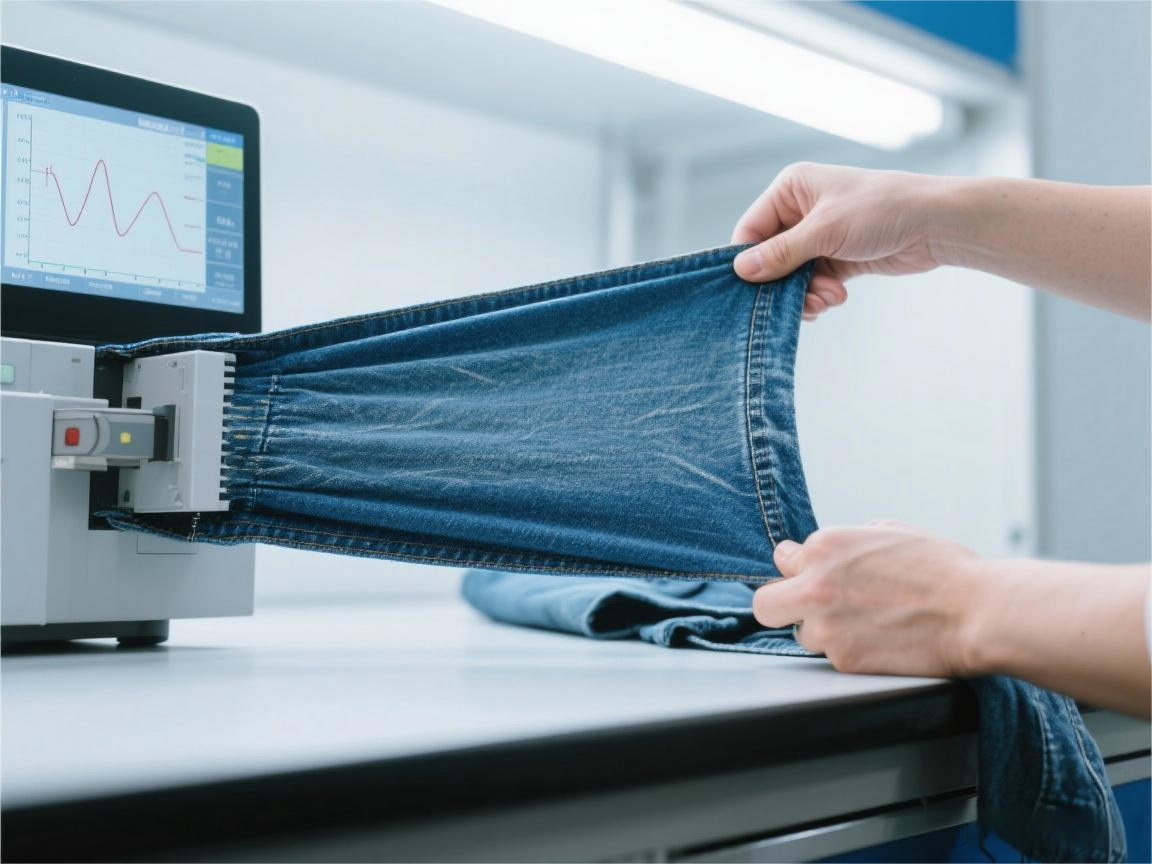
You can measure how much denim fabric stretches and how well it returns to its original shape using standard lab tests. The most common method is the strip test. In this test, you pull a strip of denim fabric to a set length and then release it. You measure how far the fabric stretches and how much it recovers. The difference between the stretched length and the recovered length shows the stretch recovery. You may also see the cyclic loading test. This test repeats the stretching and releasing process several times to check if the fabric keeps its stretch and recovery over time.
Lab technicians use machines to apply force and record the results. They look for two main things:
Maximum stretch: How far the denim fabric can extend before it loses shape.
Recovery rate: How quickly and completely the fabric returns to its original length after stretching.
You can see these results in a simple table:
Test Type | What It Measures | Why It Matters |
|---|---|---|
Strip Test | Stretch, recovery | Shows how jeans fit and move |
Cyclic Loading | Stretch recovery over time | Predicts long-term comfort |
Note: High stretch recovery means your jeans will keep their shape and fit, even after many wears.
Regular vs. Stretch Denim Results
You will notice big differences when you compare regular denim and stretch denim in these tests. Regular denim fabric, made from pure cotton, shows low stretch and slow recovery. The fabric feels firm and holds its shape, but it does not move with your body. Stretch denim, which blends cotton with elastane or spandex, shows high stretch and fast recovery. The fabric adapts to your movements and snaps back into place after you bend or sit.
Here is what you can expect:
Regular denim stretches less than 5% and has average recovery. You may feel restricted when you move.
Stretch denim can stretch 15–30% and has superior recovery. You feel more freedom and comfort.
Stretch recovery is important for keeping jeans looking good. If the fabric does not recover well, you may see sagging at the knees or seat. Stretch denim with good stretch recovery keeps its fit longer.
Impact on Daily Wear
You will feel the effects of stretch and recovery every time you wear your jeans. Different levels of stretch serve different purposes. If you have an active lifestyle, higher stretch percentages give you more flexibility and comfort throughout the day. You can bend, walk, and sit without feeling tightness. Lower stretch levels offer a more structured look, which works well for professional or fashion-forward settings.
You may prefer minimal stretch if you have a lean build and want a streamlined appearance. If you have a muscular frame, moderate to high stretch helps you move easily. Four-way stretch fabric enhances mobility and fit retention. This type of denim adapts to your body movements without sagging, which adds to long-term comfort.
You get greater flexibility with higher stretch percentages.
You enjoy a structured look with lower stretch levels.
You benefit from four-way stretch fabric if you want jeans that move with you and keep their shape.
Tip: Choose denim with the right amount of stretch and recovery for your lifestyle. You will notice the difference in comfort and fit every day.
User Experience: Jeans in Daily Life

Everyday Comfort
You want jeans that feel good all day. Most people agree that comfort matters most when choosing what to wear. The 2025 Consumer Sentiment Survey found that 93% of people say comfort is the top feature they look for in jeans. You will notice that stretch denim gives you a soft, flexible feel right from the start. This type of fabric adapts to your body and feels gentle on your skin. Regular denim can feel stiff at first and may take time to break in. If you want jeans that feel comfortable as soon as you put them on, stretch denim is a smart choice.
Here is how different styles rate for comfort:
Style | Comfort Rating (%) |
|---|---|
Baggy Jeans | 65 |
Straight Jeans | 48 |
Easy Movement | 58 |
Loose and easy-movement jeans often use stretch denim to boost comfort.
Movement and Flexibility
You move a lot during your day. You sit, stand, walk, and bend. Stretch denim lets you do all these things without feeling tight or restricted. The fabric contains elastane or spandex, which helps your jeans move with you. Many wearers say they like that stretch denim combines style and comfort. You do not have to choose between looking good and feeling good. Modern stretchy waistbands also add flexibility, making it easier to find jeans that fit well.
Fabrics that blend cotton with elastane or spandex give you the flexibility you need.
Stretch denim keeps the classic look of jeans while making movement easier.
If you want jeans for work, leisure, or active days, stretch denim will help you stay comfortable.
Long-Term Wear
You want your jeans to last. Regular denim often lasts longer than stretch denim. High-quality jeans fabric made from rigid denim can last three to five years and over 100 wash cycles. Stretch denim usually lasts 18 to 24 months. Over time, stretch denim may lose its shape as the elastane fibers weaken. You might see sagging at the knees or seat. Regular denim keeps its shape and develops unique fade patterns as you wear it.
Here is a table comparing durability:
Feature | Stretch Denim | Rigid Denim |
|---|---|---|
Average Lifespan | 3–5 years | |
Elasticity Loss | 10–15% (30–40 washes) | N/A |
Wash Cycles | 50–60 | 100+ |
Shrinkage and fading also matter. Good quality jeans made of pre-washed or sanforized denim shrink less than raw denim. Stretch denim shrinks very little, but you should always follow care instructions. Air-drying and avoiding direct sunlight will help your jeans keep their color and fit.
Tip: If you want jeans that last longer and develop a personal look, choose rigid denim. If you want jeans that feel soft and flexible, stretch denim is your best bet.
Denim Comparison Table
Feel, Fit, and Performance
You want to know how different types of denim compare in feel, fit, and performance. The table below gives you a clear look at the main differences. You can use this guide to choose the right jeans for your needs.
Type of Denim | Composition | Feel and Fit | Performance |
|---|---|---|---|
Rigid Denim | 100% cotton, no stretch | Structured, classic, needs break-in | High durability, keeps shape, best for rugged use |
Stretch Denim | 1–3% elastane or Lycra | Flexible, comfortable, fits body well | Good flexibility, moderate durability, easy care |
Super Stretch Denim | Over 4% stretch fibers | Very soft, hugs body, maximum flexibility | Less durable, best for leggings or jeggings |
You can see that rigid denim gives you a classic look and strong structure. Stretch denim offers more comfort and adapts to your body. Super stretch denim feels soft and moves with you, but it works best for styles like leggings.
Note: If you want jeans that feel good from the first wear, stretch denim is a smart choice. If you want jeans that last for years and develop a unique look, rigid denim gives you that option.
Here is another table that highlights the main aspects you should consider:
Comparison Aspect | Classic Regular Denim | Stretch Denim |
|---|---|---|
100% cotton | Cotton + elastane/spandex | |
Comfort | Rigid at first, softens | Comfortable and flexible |
Durability | High, best for tough use | Moderate, more flexible |
You should always check the quality of the fabric before you buy. High quality denim feels smooth and strong. Good quality stretch denim keeps its shape and does not sag quickly. Quality matters for every type of denim. You want jeans that keep their color, resist pilling, and last through many washes. Quality stitching and finishing also help your jeans fit better and last longer.
Look for quality labels and trusted brands.
Feel the fabric to judge its quality.
Check the seams and buttons for quality construction.
You can trust quality denim to give you the best experience, whether you choose stretch or regular styles. Quality makes a big difference in how your jeans feel, fit, and perform every day.
You have seen that stretch denim usually feels softer and more flexible. Textile experts point out that stretch denim gives you comfort, flexibility, and shape recovery. Regular denim stands out for breathability, durability, and a classic texture. Your best choice depends on your needs and daily activities.
Think about what matters most to you—comfort, long-lasting wear, or authentic style. Choose the denim that fits your lifestyle.
Stretch denim: enhanced comfort and flexibility
Regular denim: better durability and breathability
FAQ
What makes stretch denim fabric more comfortable than regular denim?
You feel more comfort with stretch denim fabric because it adapts to your body. The elastic fibers allow for easy movement. You notice less restriction when you walk, bend, or sit. This fabric offers a soft touch and flexibility from the first wear.
How can you tell if your jeans use stretch denim fabric?
You can gently pull the fabric. If it stretches and returns to its shape, you have stretch denim fabric. You often see labels that mention elastane or spandex. You feel the difference when you try them on.
How do you confirm jeans are 100% cotton?
You should check the care label inside your jeans. It lists the fabric content. If it says only cotton, you confirm jeans are 100% cotton. You can also feel the fabric. Pure cotton feels sturdy and does not stretch.
What is stretch and quick recovery in denim?
Stretch and quick recovery means the fabric stretches when you move and returns to its original shape. You avoid sagging at the knees or seat. Stretch denim fabric with this feature keeps your jeans looking new longer.
How to check denim fabric quality before buying?
You should look at the stitching and feel the weight of the fabric. High-quality stretch denim fabric feels smooth and strong. You can gently tug at the seams. Good jeans do not show loose threads. This is how to check denim fabric quality.