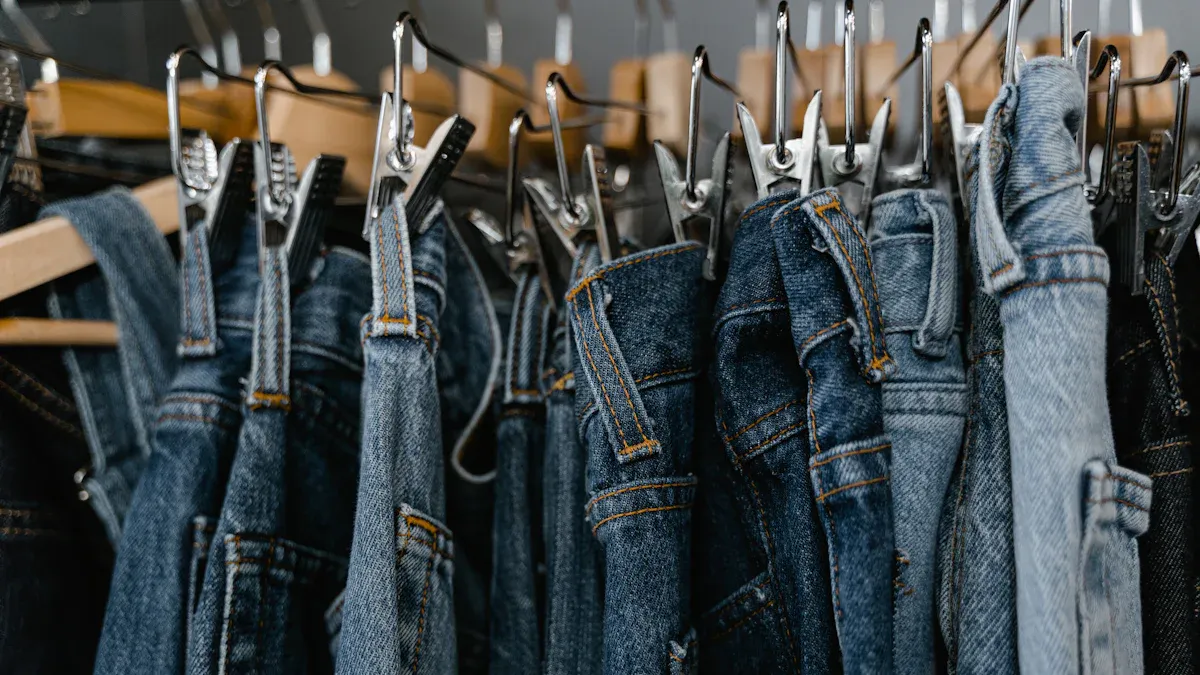
You want to find affordable, high-quality denim for your jeans, but the market keeps changing. Right now, you face some big challenges:
Higher production costs from sustainable materials and new technologies
Limited supply chain options for eco-friendly denim
Tough competition with fast-fashion brands
Price-sensitive shoppers
Check out how these trends might affect your sourcing decisions:
Factor | Impact on Costs and Quality |
|---|---|
Rising Labor Costs | Manufacturing gets more expensive in key countries. |
Advanced tech drives up costs for sustainable denim. |
If you want cost-saving denim sourcing tips, start by thinking about your current approach and what you want to improve.
Key Takeaways
Research suppliers carefully. Look for those who offer quality, fast delivery, and eco-friendly options to attract conscious shoppers.
Always vet suppliers for quality and price. Test fabric samples for durability and comfort to ensure your jeans meet high standards.
Consider both global and local sourcing. Local suppliers provide quick quality checks, while international options may offer lower costs.
Buy denim in bulk or join group buying programs. This strategy can significantly reduce costs and increase your profit margins.
Build long-term relationships with suppliers. Strong partnerships lead to better pricing, quality, and a smoother supply chain.
Cost-Saving Denim Sourcing Tips

Researching Suppliers
You want to make premium jeans that stand out, but you need the right partners. Reliable suppliers help you deliver quality and keep your costs in check. When you start sourcing fabric, look for suppliers who offer both value and fast delivery. Many brands now focus on eco-friendly production, so you should check if your supplier uses organic cotton or recycled materials. This attracts shoppers who care about the planet and helps your jeans compete in a crowded market.
You can find dependable suppliers at trade shows or through online platforms. Here’s a quick guide to help you get started:
Type | Name/Link |
|---|---|
Trade Shows | Denim Première Vision, Canton Fair, Texworld USA |
Online Platforms | Maker’s Row (U.S.), Alibaba/Aliyun (Asia), Intertex (Latin America) |
These events and sites let you compare pricing, see samples, and ask questions about sourcing fabric. You can also meet suppliers who specialize in direct-to-consumer models, which can lower your costs and speed up your production. If you want to see what works, check out brands like Everlane, Madewell, Taylor Stitch, and Buck Mason. They all use direct-to-consumer strategies to offer premium jeans at a better price.
When you research, don’t just look at cost. Ask about their delivery times, inventory, and how they handle bulk orders. Suppliers who use new technology often offer better pricing and more sustainable options. This gives your jeans a real edge.
Vetting for Quality and Price
After you find a few suppliers, you need to check if they meet your standards. Start by looking at their product quality. Good denim should feel strong, last long, and keep its color after many washes. If you want to make premium jeans, ask for test results on durability and comfort. Suppliers who invest in high-end fabrics and advanced weaving techniques usually deliver better value for money.
Here’s a table to help you compare suppliers:
Criteria | Description |
|---|---|
Product Quality | Fabric durability, colorfastness, and comfort levels. |
Innovation & Sustainability | Use of eco-friendly dyes, sustainable farming practices, and innovative weaving techniques. |
Pricing & Cost Efficiency | Competitive pricing structures and bulk discount options. |
Supply Chain Reliability | Delivery times, inventory management, and geographic reach. |
Customization & Flexibility | Ability to meet specific design or quality specifications. |
Brand Reputation | Industry standing, customer reviews, and compliance with standards. |
Technological Capabilities | Use of automation, quality control systems, and R&D investments. |
Financial Stability | Long-term viability and investment capacity. |
You should also check the supplier’s pricing. Some offer bulk discounts or flexible payment terms, which help you stick to your budget. If you want to make affordable jeans, look for suppliers who balance price and quality. Brands like H&M, Texas Jeans, Nudie Jeans, Unbranded Brand, and The Gap Inc. are known for offering both value and quality. Texas Jeans, for example, makes all its jeans in the USA and focuses on durability and craftsmanship.
American-made denim has a strong reputation. It costs more because of higher labor and material expenses, but you get premium jeans that last longer and fade beautifully. Many American brands use double-stitched seams and heavy-duty bar tacks, so your jeans can handle daily wear. If your budget allows, investing in American-made denim can boost your brand’s value and attract customers who want ethical, long-lasting jeans.
When you vet suppliers, always ask for samples. Test the fabric for staple length, tensile strength, and abrasion resistance. Make sure they meet standards like OEKO-TEX® for safety and sustainability. This step protects your investment and ensures your premium jeans deliver real value to your customers.
Tip: Don’t rush the sourcing fabric process. Take time to compare pricing, quality, and supplier reputation. The right choice leads to better jeans and bigger savings.
Affordable Denim Sources
Global and Local Options
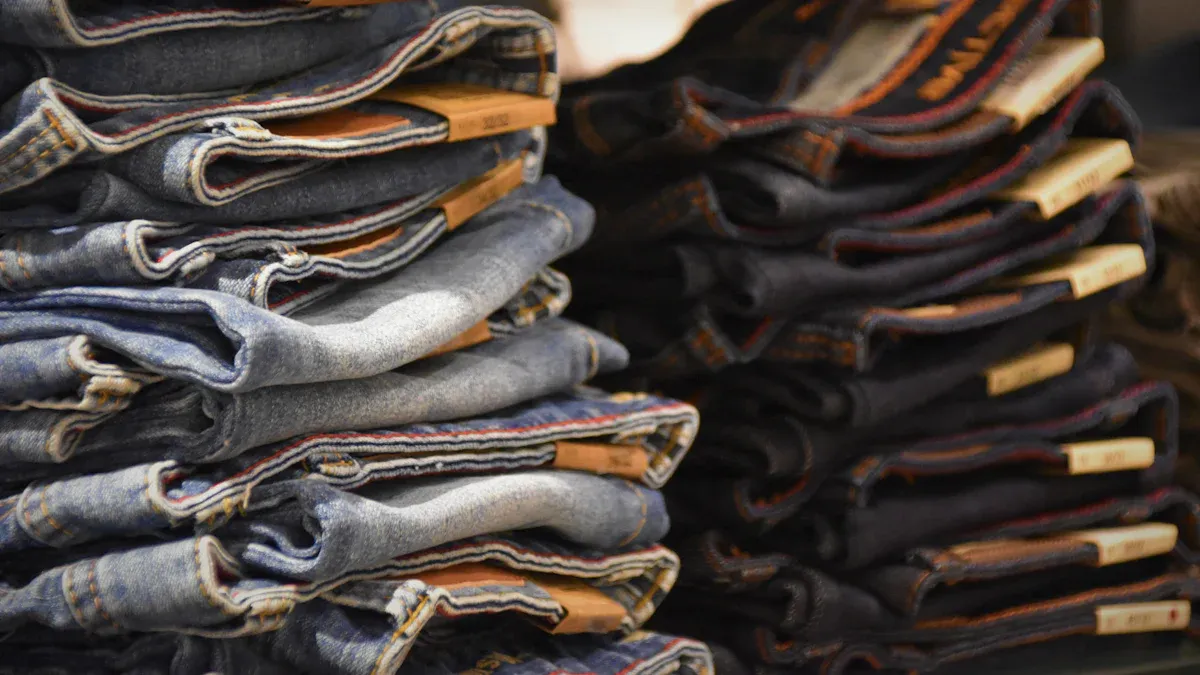
You want to find affordable denim for your jeans, but you also want quality. The best way is to look at both global and local sources. Some countries offer great prices and unique fabrics. Here’s a quick look at top choices for denim in 2025:
Country | Strengths | Specialties | Avg. Price (USD/m) |
|---|---|---|---|
Pakistan | Competitive pricing, green technologies | Midweight to heavyweight rigid denim, low-cost organic options | $2.30 – $3.80 |
India | Organic cotton denim, vertically integrated | GOTS-certified organic denim, lightweight options | N/A |
Turkey | Trend-forward development, EU logistics | High-stretch performance denims, rapid lead time | N/A |
You can also source denim locally. Local suppliers let you check quality fast and make quick changes. International suppliers give you more choices and lower costs, but you may wait longer for your jeans. Here’s a quick comparison:
Aspect | Local Sourcing Advantages | Local Sourcing Disadvantages | International Sourcing Advantages | International Sourcing Disadvantages |
|---|---|---|---|---|
Quality Control | Proximity allows for quick inspections and adjustments. | Higher costs due to labor and regulations. | Lower costs lead to higher margins. | Longer lead times and potential quality issues. |
Turnaround Time | Faster due to reduced shipping and customs delays. | Limited scale for mass orders. | Large-scale production capabilities. | Complex communication and potential misinterpretations. |
Brand Value | Enhances local credibility. | Smaller range of raw materials available. | Access to diverse skills and materials. | Compliance and duties can complicate sourcing. |
If you want budget-friendly jeans, try off-season or surplus stock deals. Many mills offer leftover selvedge jeans fabric at a discount. This helps you keep your budget in check and still make great jeans.
You can also find affordable selvedge jeans from brands like Gustin, Brave Star Selvage, and SOSO. Gustin uses crowdfunding to offer selvedge jeans at wholesale prices. Brave Star Selvage makes American selvedge jeans for tight budgets. SOSO offers custom selvedge jeans for hard-to-fit bodies. LYDENIM in China also sells custom selvedge jeans at a good price.
Bulk and Group Buying
If you want to save even more, buy denim in bulk or join group buying programs. When you buy more fabric, you get lower prices. This helps you make affordable jeans and boost your profit. Many small brands use this strategy to get high-quality denim for their jeans.
Tip: Always check the minimum order quantities and lead times before you buy. Most suppliers ask for 500–2,000 pieces per style. OEM partners may let you order as few as 500 pieces. Lead times usually run 8–12 weeks, but you can pay extra for a rush order in 6–8 weeks. If you order 30 pairs of jeans, you might pay $35–$60 per pair. For 500 pairs, the price drops to $15–$20 per pair.
Bulk buying gives you access to better selvedge jeans fabric and helps you stick to your budget. You can make more jeans for less money and offer affordable selvedge jeans to your customers.
Quality Assurance
Key Quality Indicators
You want your jeans to stand out, so you need to focus on the right quality indicators when sourcing denim. Here’s what you should look for:
Weave type matters. Right-Hand Twill, Left-Hand Twill, and Broken Twill all affect durability and the look of your denim.
Color and dye quality are important. Rub a white cloth on the denim to check if the dye transfers. Uniform color means better quality.
Durability is key. Try the Pinch and Twist Test to see if the fabric keeps its shape.
Fiber content and weight make a difference. Heavier denim lasts longer and feels sturdier.
Construction quality shows in well-spaced stitches and even threads.
Look for features like selvage denim, strong hardware, and finishing techniques. These details show true craftsmanship.
You can use this table to compare denim weights and their best uses for jeans:
Denim Weight | Characteristics | Use Case |
|---|---|---|
Lightweight (Below 10oz) | Soft, breathable, good for warm weather | Slim-fit or casual jeans |
Midweight (10-13oz) | Balanced comfort and durability | Year-round jeans |
Heavyweight (14oz+) | Thick, sturdy, long-lasting, unique fades | Workwear or rugged jeans |
100% Cotton Denim | Breathable, molds to your body | Raw denim jeans |
Stretch Denim | Flexible, comfortable | Skinny or slim-fit jeans |
Blended Denim | Soft, durable, less shrinkage | Easy-care jeans |
Organic Cotton Denim | Soft, eco-friendly, sustainable | Conscious jeans shoppers |
Sample Testing and Certifications
Before you buy denim in bulk, you should test samples to make sure you get the best quality for your jeans. Here are some common tests and what the results mean:
Test Type | Minimum Acceptable Rating | Premium Criteria |
|---|---|---|
Washfastness | ≥4 (AATCC 61) | ≥4.5 |
Dry Rub | ≥3–4 | ≥4 |
Wet Rub | ≥2–3 | ≥3 |
Shrinkage | ≤3% (AATCC 135) | ≤2% |
Certifications help you trust the denim you buy. Look for these labels:
Certification Name | Focus Areas |
|---|---|
GOTS | Organic cotton, ethical production |
Bluesign Standard | Worker safety, eco footprint, safe chemicals |
Regenerative Organic Certified (ROC) | Soil health, animal welfare, social fairness |
OEKO-TEX® (STANDARD 100) | Safety from harmful substances |
OEKO-TEX® (MADE IN GREEN) | Sustainability, social responsibility, traceability |
Global Recycled Standard (GRS) | Recycled materials tracking |
Leather Working Group (LWG) | Sustainable leather sourcing |
Better Cotton Initiative (BCI) | Sustainable cotton practices |
Tip: Certifications like Fair Wear Foundation, SA8000, and ISO 9001 also show that your denim supplier cares about labor standards and quality management.
When you pay attention to these indicators and tests, you make sure your jeans deliver comfort, durability, and style. Your customers will notice the difference in quality and craftsmanship.
Negotiation & Supplier Relationships
Negotiation Tactics
You want to get the best deal for your jeans, but you also want to keep quality high. Smart negotiation can help you stretch your budget and secure better terms with denim suppliers. Here are some tactics you can use:
Ask suppliers if you can lock in fabric costs with an advance purchase. This helps you avoid sudden price hikes and keeps your jeans affordable.
Inquire about events that might trigger price changes, like raw material shortages or shipping delays. Knowing this helps you plan your budget and avoid surprises.
Check if suppliers offer fixed pricing for long-term volume commitments. If you agree to buy more denim over time, you can often get better rates and more stable costs.
Don’t be afraid to compare offers from different suppliers. Let them know you’re looking for the best value for your jeans line.
Use your order size as leverage. If you plan to scale up, mention your growth plans to negotiate better terms.
Tip: Direct-to-consumer pricing models can give you more room to negotiate since you cut out the middleman and work directly with mills.
Building Long-Term Partnerships
Building strong relationships with your denim suppliers pays off in many ways. When you work together over time, you get more than just good prices. You also gain stability, better quality, and a smoother supply chain for your jeans.
Key Factor | Description |
|---|---|
Trust | You and your supplier feel secure and valued, which leads to honest communication. |
Collaboration | Working together helps you solve problems and create new ideas for your jeans. |
Shared Goals | When your goals match, both sides work toward success. |
Long-term Contracts | These give suppliers confidence to invest in your partnership and improve their denim. |
Volume Guarantees | Promising to buy a certain amount shows commitment and encourages suppliers to prioritize you. |
You get even more benefits from long-term partnerships:
Direct sourcing reduces waste and improves lead time, which helps you keep your jeans on schedule and within budget.
Working directly with reputable denim mills means you get consistent quality and a reliable supply for your jeans.
Long-term cooperation leads to better pricing and quality, not just for one season but for every collection you launch.
Note: When you invest in these relationships, you set your jeans brand up for long-term success and keep your budget under control.
Avoiding Sourcing Pitfalls
Red Flags to Watch
You want to avoid mistakes when you choose a denim supplier. Some warning signs can help you spot trouble before it hurts your business. If you see these red flags, take a closer look:
Missing or fake business licenses and certifications like ISO, BSCI, or WRAP.
Suppliers who refuse to send samples or give inconsistent sizing.
No references from other clients or poor feedback from past buyers.
Reluctance to allow on-site visits or third-party audits.
If you notice any of these issues, ask more questions. Reliable denim suppliers will share proof of their track record and let you check their quality. You can also talk to other brands that have worked with them. This helps you avoid costly mistakes and keeps your jeans line on track.
Preventing Hidden Costs
Hidden costs can sneak up on you and ruin your budget. You want to keep your denim sourcing affordable, so watch out for extra fees and unexpected expenses. Here are some smart ways to protect yourself:
Work with suppliers who use carbon-neutral operations. Allbirds did this in Brazil, which helped them avoid expensive changes later.
Use platforms that show ESG insights, like Veridion. These tools help you find denim suppliers who follow rules and save you time.
Try circular economy strategies. You can lower waste management costs and reduce your impact on the planet.
You should always read contracts carefully. Look for extra charges for rush orders, shipping, or changes in raw material prices. Ask your supplier to explain every fee before you sign. If you plan ahead and choose the right partners, you can keep your denim costs low and your jeans business strong.
Tip: Stay alert for hidden costs and supplier red flags. Careful sourcing means better jeans and bigger savings for you.
You can make your jeans stand out and save money by using smart sourcing tips. Many brands now work together to share costs and keep quality high. Some choose regional suppliers to avoid high tariffs and get faster service. Others focus on new materials and eco-friendly practices for their jeans. When you look for suppliers, check their certifications and ask about their values. Always test your jeans for strong stitching and good washing results. Want to share your own jeans sourcing story or have questions? Drop a comment below!
FAQ
What is the best way to test denim quality before buying?
Ask for fabric samples. Try simple tests like rubbing a white cloth on the fabric to check dye quality. Wash the sample to see if it shrinks or fades. Always trust your hands and eyes.
How can I find reliable denim suppliers?
Start with trade shows or trusted online platforms. Check reviews and ask for references from other brands. Reliable suppliers will answer your questions and provide certifications without hesitation.
Can I source small quantities of denim for a new brand?
Yes, some suppliers offer low minimum order quantities. Look for OEM partners or join group buying programs. This helps you get started without a huge investment.
How do I avoid hidden costs when sourcing fabric?
Read every contract carefully. Ask about extra fees for shipping, rush orders, or changes in raw material prices. Good suppliers will explain all costs upfront.
Is sustainable denim more expensive?
Sustainable options often cost more at first. Over time, you may save money by reducing waste and building a stronger brand reputation. Many customers prefer eco-friendly choices.