
You want jeans that last, feel great, and look better with age. Here’s a bold fact: high-density denim weave can outlast regular denim by years. The tight weave and premium materials give you unmatched strength and comfort. When you choose high-density denim, you invest in quality that pays off every single day.
High-Density Denim Weave Benefits include durability, a better fit, and unique style as the fabric ages.
Key Takeaways
High-density denim lasts longer due to its tight weave and high-quality materials, making it a smart investment.
The fabric softens over time, providing a custom fit that enhances comfort with each wear.
Unique aging patterns develop on high-density denim, giving your jeans a personalized look that regular denim cannot match.
Choosing heavyweight denim means lower cost-per-wear, as these jeans endure years of use without needing replacement.
Look for high stitch density and quality reinforcements when shopping to ensure you select true high-density denim.
What Is High-Density Denim?
Weave Structure and Materials
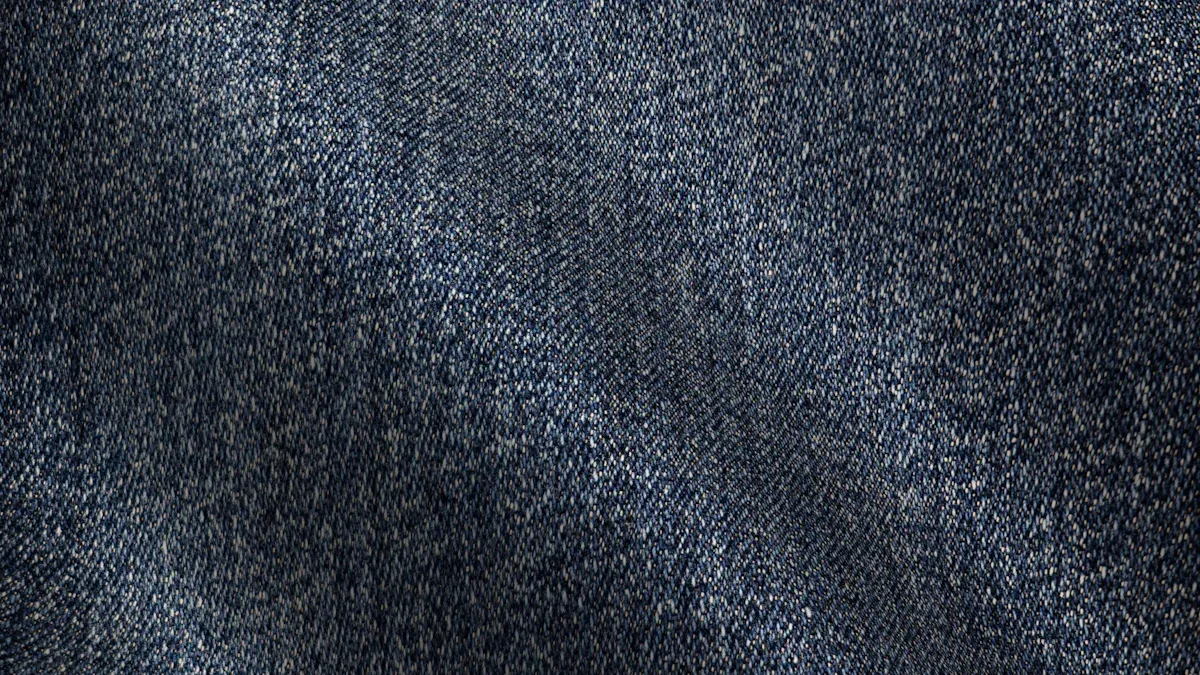
You may wonder what sets high-density denim apart from the jeans you see every day. The answer starts with the weave structure and the materials used. High-density weave means the fabric has more threads packed into each inch. This tight construction gives the denim extra strength and a smoother feel.
Manufacturers use high-quality materials, such as long-staple cotton fibers, to create this fabric. These fibers twist together tightly, making the yarns stronger and less likely to break. You get a fabric that resists wear and tear, even after many washes.
Here’s a quick look at how high-density denim compares to regular denim in terms of thread count and yarn quality:
Denim Type | Yarn Quality Description | |
|---|---|---|
80-100 | Uses long-staple fibers and higher yarn twist counts | |
Regular Denim | 70-90 | May use shorter fibers and lower twist counts |
You can see that high-density denim uses more threads and better fibers. This makes your jeans last longer and feel better.
How It Differs from Regular Denim
High-density denim stands out because of its unique production process. Manufacturers use specialized machines that insert elastane consistently and control the tension of the threads. This process keeps the fabric strong and even.
Let’s compare the weaving process:
Feature | High-Density Denim | Regular Denim |
|---|---|---|
Weaving Process | Uses specialized elastane feeders for consistent elastane insertion | Standard looms without elastane |
Tension Control | Maintains weft tension between 350–450 grams | Warp tension typically between 700–900 grams |
Weaving Speed | Slower speeds (550–700 ppm) for consistency | Faster speeds (800–1,100 ppm) for efficiency |
Fabric Defects & Inspection | Fewer breakages due to elastane handling | Manual inspection for defects required |
You get a fabric that feels more consistent and lasts longer. High-density weave also means fewer defects and a smoother finish. When you choose this type of denim, you invest in jeans that keep their shape and look great for years.
Tip: Always check the label for thread count and fiber type. High-density denim often lists these details, helping you make a smart choice.
High-Density Denim Weave Benefits
Durability and Strength
When you choose jeans made with a high-density denim weave, you get a fabric built to last. The secret lies in the use of long-staple cotton fibers and a tighter weave. Long-staple cotton fibers interlock more effectively, creating a denser and more robust material. This process removes shorter fibers and impurities, which means your jeans resist fraying and tearing much better than regular denim.
A tighter weave also plays a big role in everyday durability. Heavyweight denim, especially raw selvedge, stands up to friction and rubbing, even in high-stress areas like the inner thighs. Right-hand twill, a common weave in high-density denim, gives your jeans extra resilience against abrasion and general wear.
You can see the difference in lab tests:
Test Type | High-Density Denim | Regular Denim | Notes |
|---|---|---|---|
Peak Load (Before Wash) | <3,000 N | Shows initial strength | |
Strength Retention (Post-Wash) | ≥85% | <85% | Measures durability after laundering |
High-density denim weave benefits include a peak load of at least 3,000 Newtons before washing and the ability to retain 85% or more of its strength after many washes. This means your jeans stay strong, even after repeated use and laundering.
The Martindale Abrasion Test, which measures how well fabric withstands rubbing, shows that top denim brands target over 30,000 cycles for core denim and over 40,000 for selvedge lines. This level of performance highlights the superior durability you get from high-density denim.
Comfort and Fit Over Time
At first, high-density denim may feel stiff and dense. This is normal and actually a sign of quality. As you wear your jeans, the fabric softens and adapts to your body. The high-density denim weave benefits you by providing a fit that gets better with every wear.
Selvedge denim, woven on traditional shuttle looms, creates a dense edge that resists fraying and adds to your comfort. High-quality jeans usually weigh between 12 and 16 ounces per square yard. This weight helps your jeans keep their shape and feel comfortable, even after months of use.
You will notice that stretch denim, which often includes a small amount of elastane, improves comfort and mobility. The fabric molds to your body, reducing issues like waist gaps and excessive wrinkling. Over time, your jeans develop a custom fit that feels unique to you.
Feature | Traditional Denim | Stretch Denim (1% Elastane) | High-Stretch Denim (5-8% Elastane) |
|---|---|---|---|
Elongation | Limited | Increases by 10-15% | Multidirectional stretch |
Comfort during movement | Low | Improved | Excellent for active lifestyles |
Fit | Standard | Body-hugging | Inclusive for various body shapes |
Breaking in process | Stiff | Softens over time | Custom fit with each wear |
High-density denim weave benefits you by offering a fabric that softens without losing its shape, giving you comfort and a perfect fit that lasts.
Unique Aging and Character
One of the most exciting high-density denim weave benefits is the way your jeans age. As you wear them, the fabric forms distinct creases and fades that reflect your daily habits and lifestyle. These changes create a personalized look that regular denim cannot match.
You will see unique fading patterns develop from exposure to light, friction, and natural oils. This process turns your jeans into a visual record of your experiences. High-density denim fades subtly and evenly, while regular denim often loses color quickly and unevenly.
Aspect | High-Density Denim | Regular Denim |
|---|---|---|
Fading | Fades subtly and evenly | Fades unevenly and loses color quickly |
Shape Retention | Maintains shape with minimal changes | Sags and looks worn out quickly |
Texture After Wear | Develops a lived-in feel | Remains rough or harsh |
Durability | Shows minimal structural damage | Gets holes near seams after few washes |
Comfort | Softens remarkably without fit compromise | Less comfortable after washes |
Each pair of high-density denim jeans tells a story. The high-density denim weave benefits you by creating a garment that becomes more comfortable and visually interesting the longer you wear it.
If you want jeans that offer superior durability, comfort, and a unique look, high-density denim is the clear choice. The high-density denim weave benefits you every step of the way, from the first wear to years down the road.
Heavyweight Denim Jeans and Value
Long-Term Wear and Cost-Effectiveness
When you invest in heavyweight denim jeans, you choose a product that stands the test of time. These jeans use dense weave and high-quality cotton, which means you get superior durability. You will notice that heavyweight denim jeans last much longer than regular denim. Over the years, this makes them a smart buy for anyone who values sustainable fashion.
Take a look at how the cost-per-wear compares:
Type of Denim | Lifespan (Years) | Cost-Per-Wear Implication |
|---|---|---|
Heavyweight Denim | 5-10+ | Lower cost-per-wear due to longevity |
Regular Denim | 2-5 | Higher cost-per-wear due to shorter lifespan |
You save money in the long run because you do not need to replace your jeans as often. Heavyweight denim jeans, especially those made from Japanese selvedge, keep their shape and develop unique fades. These fades show the quality of the fabric and make each pair special. You also support sustainable fashion by choosing jeans that last for years instead of months.
Suitability for Rugged Use
If you need jeans for tough jobs or outdoor adventures, heavyweight denim jeans are the rugged choice. The dense weave and thick cotton fibers resist fraying and tearing. You can wear them for demanding activities without worrying about damage. This makes heavyweight denim jeans a rugged choice for work, hiking, or even motorcycle riding.
Here are some reasons why heavyweight denim jeans work well for rugged use:
The robust construction stands up to pressure and stress.
Thick fibers protect against wear and tear.
These jeans adapt to different climates, keeping you comfortable in both warm and cool weather.
You can style heavyweight denim jeans for casual or semi-formal events, adding versatility to your wardrobe.
You can also find heavyweight denim jackets that offer the same benefits. When you choose heavyweight denim jeans, you make a smart investment in both durability and sustainable fashion.
Tip: Look for jeans with a weight of 14 ounces or more per square yard. Check for tight stitching and quality hardware. These signs point to true heavyweight denim jeans that will serve you well for years.
How to Identify High-Density Denim
Key Features to Look For
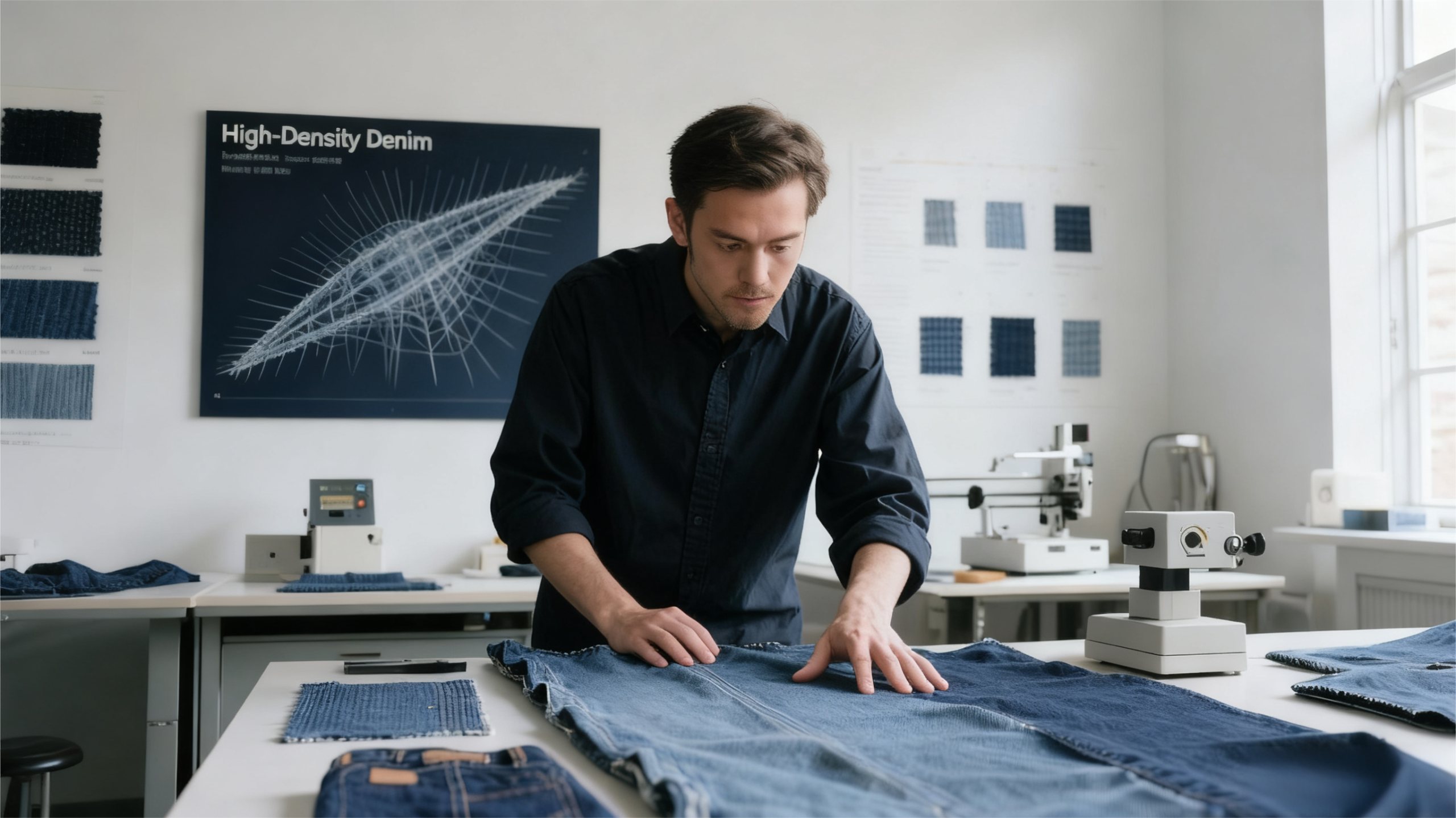
You can spot high-density denim by checking a few important details. Start by feeling the fabric. High-density denim feels sturdy and has a noticeable weight. Premium jeans often use long-staple cotton, which gives the fabric extra strength and a smooth touch. You may also find a small amount of elastane (1–2%) in the blend. This adds comfort and helps the jeans keep their shape.
Look for these signs when shopping for high-density denim:
High stitch density. More stitches per inch mean stronger seams.
Chain stitching. This technique makes the seams more durable than regular lockstitching.
Reinforcements like bar tacks and rivets. These features prevent the seams from splitting.
Fabric weight. High-quality denim jackets usually weigh between 11 and 14 ounces. This weight gives you structure and comfort.
Selvedge or raw denim. These types often use a tighter weave and higher yarn density.
You can also use this table to compare high-density denim with regular denim:
Feature | High-Density Denim | Regular Denim |
|---|---|---|
Yarn Density | High-density yarn | Standard yarn |
Production Cost | Relatively high | Lower cost |
Texture | Textured patterns | Typically smooth |
A quick check of the inside seams and the fabric’s edge can reveal a lot. High-density denim often has a clean, finished edge and tight, even stitching.
Air drying your jeans helps keep their shape and prevents shrinkage. Hang them by the waistband to avoid unwanted creases. Rotate your jeans and let them rest between wears to extend their life.
Common Myths
You may hear some myths about high-density denim. One common belief is that heavier denim always means better quality. In reality, the weave and fiber quality matter more than just the weight. Another myth says that only raw or selvedge denim can be high-density. Many modern jeans use advanced weaving techniques to achieve high density, even if they are not selvedge.
Some people think high-density denim feels uncomfortable. At first, the fabric may feel stiff, but it softens and molds to your body with wear. You get a custom fit and lasting comfort.
Remember, high-density denim stands out because of its construction and materials, not just its weight or brand name. When you know what to look for, you can choose jeans that last longer and look better every day.
You now know why high-density denim stands above regular denim. You get jeans that last longer, feel better, and look unique as they age.
Stronger fabric means fewer replacements.
Superior comfort molds to your body.
Long-term value saves you money.
Choose high-density denim for your next pair of jeans. You invest in quality, comfort, and style that grows with you.
FAQ
What makes high-density denim different from regular denim?
High-density denim uses more threads per inch and long-staple cotton. You get stronger fabric that resists wear. Regular denim uses fewer threads and shorter fibers, so it wears out faster.
How do you care for high-density denim jeans?
Wash your jeans inside out in cold water. Air dry them by hanging from the waistband. You keep the color and shape longer. Avoid using a dryer to prevent shrinkage.
Does high-density denim feel stiff when new?
You may notice stiffness at first. The fabric softens as you wear it. Your jeans mold to your body over time, giving you a comfortable fit.
Can high-density denim jeans stretch?
Many high-density denim jeans include elastane. You get a little stretch for comfort and movement. The fabric holds its shape better than regular stretch denim.