
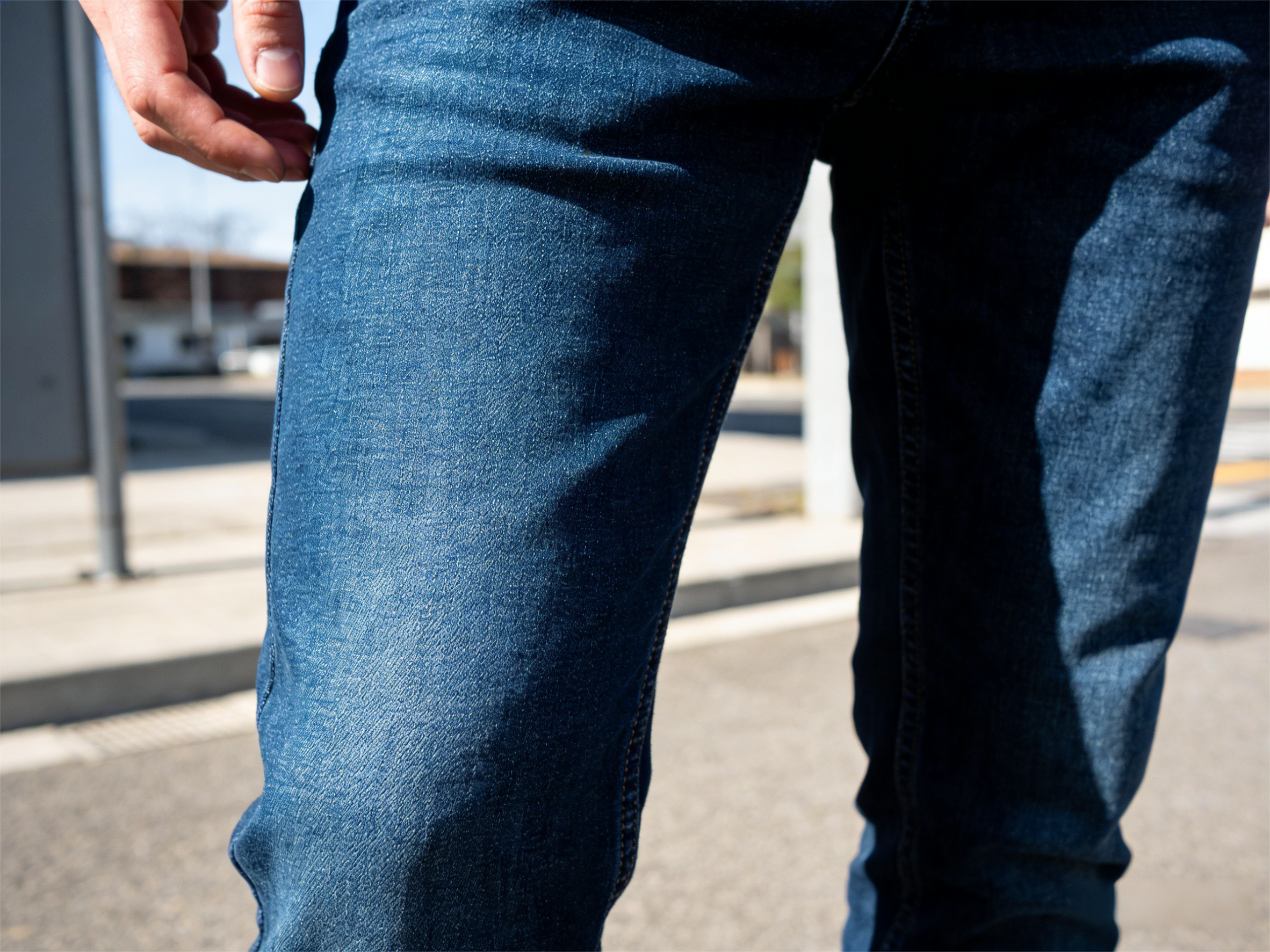
You might wonder, why do jeans fade? The answer lies in the indigo dye used to color denim. Indigo has poor color fastness, so each wash or wear causes some of the color to wash out. Heat, friction, and harsh chemicals speed up this process. When you expose your jeans to these factors, you notice fading and a softer texture.
Friction breaks down fibers and leads to a worn look.
Washing and tumble drying make the dye fade faster.
Chemicals and abrasion can reduce the strength and lifespan of your jeans.
With the right care, you can keep your jeans looking new for longer.
Key Takeaways
Jeans fade due to the indigo dye sitting on the surface of the fabric. This dye wears off with washing and friction.
Wash jeans in cold water and use gentle cycles to reduce color loss. This simple change can preserve the dye and extend the life of your jeans.
Turn jeans inside out before washing. This protects the outer color and minimizes fading by reducing friction.
Wash jeans less often, ideally every four to six weeks. This helps maintain their color and strength.
Choose eco-friendly washing methods. Washing less and using cold water not only helps your jeans but also benefits the environment.
Why Do Jeans Fade?
Indigo Dye and Color Fastness
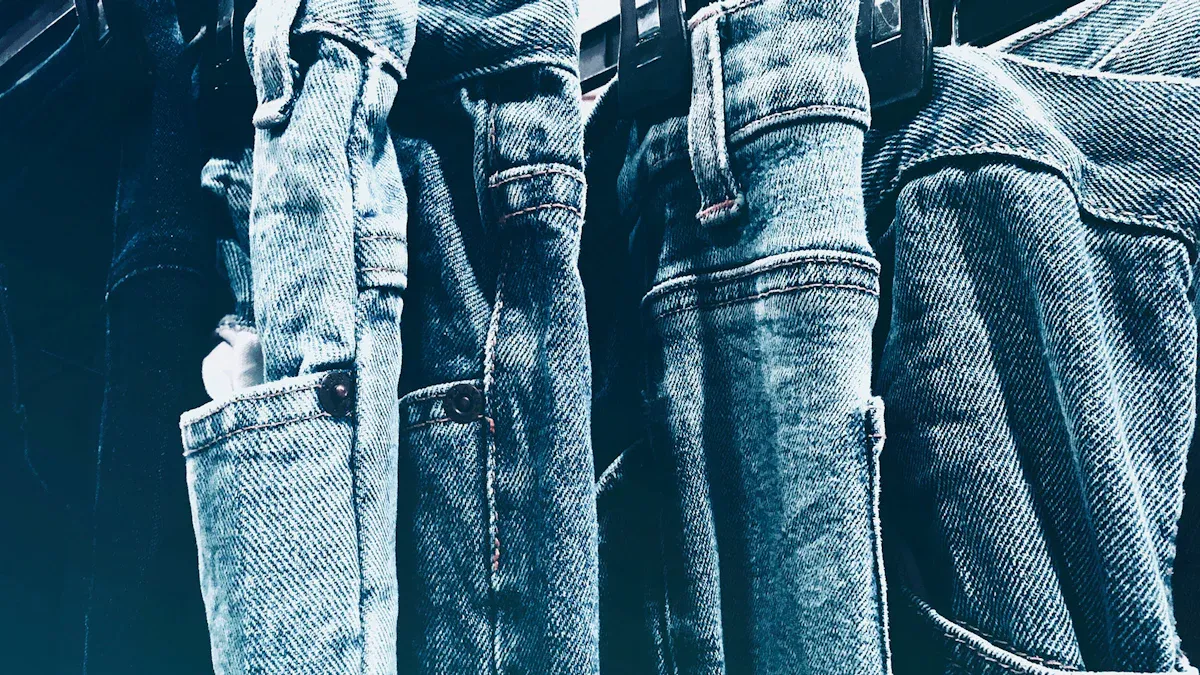
You may ask, why do jeans fade? The answer starts with the indigo dye. Manufacturers use indigo to give jeans their classic blue color. Indigo does not bond deeply with cotton fibers. This weak attachment means the color sits mostly on the surface. Each time you wear or wash your jeans, some dye rubs off or washes away. That is why jeans fade over time. You see this most clearly on areas that bend or stretch, like knees and pockets. Indigo’s poor color fastness explains why denim fades faster than other fabrics.
Effects of Heat and Washing
Washing plays a big role in why do jeans fade. Hot water and long wash cycles strip away more dye. Research from the University of Leeds and Procter & Gamble shows that washing denim at lower temperatures, such as 25°C (77°F), and using shorter cycles can reduce color loss by up to 74%. Higher temperatures, like 40°C (104°F), cause more dye to leave the fabric. Washing in cold water helps your jeans keep their color and last longer. Studies also show that cooler water prevents dye bleeding and fiber damage. If you want to keep your jeans looking new, always choose cold water and gentle cycles.
How often you wash your jeans matters too. Most stretch jeans labels recommend cold washing and air-drying. Consumer surveys reveal that 45% of stretch jean owners wash in hot water, which can shorten the life of the jeans. A 2023 study found that people usually wear stretch jeans two or three times before washing, but many wash rigid jeans after each wear. Washing less often helps preserve the indigo color and keeps your jeans strong.
Friction and Chemical Exposure
Friction is another reason why do jeans fade. When you walk, sit, or move, the fabric rubs against itself and other surfaces. This rubbing causes the dye to wear off, especially in high-contact areas. Laboratory tests measure how well denim resists fading from friction. The table below shows how different denim blends perform:
Test Type | Standard | 100% Cotton | Cotton + Elastane | Poly/Cotton Blends |
|---|---|---|---|---|
Wash Fastness | ISO 105-C06 | 4 | 4–5 | 5 |
Rub Fastness (dry/wet) | ISO 105-X12 | 3–4 / 3 | 4 / 3 | 5 / 4 |
Light Fastness | ISO 105-B02 | 4 | 4 | 5 |
You can see that blends with polyester resist fading better than pure cotton. Chemicals also speed up fading. Bleach, harsh detergents, and stain removers break down the dye and fibers. If you want to keep your jeans looking new, avoid strong chemicals and wash with mild detergent.
Tip: Turn your jeans inside out before washing. This simple step reduces friction on the outside and helps the color last longer.
You now know why do jeans fade, why denim fades, and how heat, washing, friction, and chemicals all play a part. Understanding these factors helps you make better choices to keep your jeans looking their best.
Is Fading Harmful to Jeans?
Fading vs. Dye Bleeding
You might notice your jeans lose color over time. Fading happens when the dye slowly wears away from the surface. Dye bleeding is different. It occurs when the color runs off quickly, often during the first few washes. Fading gives your jeans a softer, worn look. Dye bleeding can stain other clothes and cause uneven patches. You can control dye bleeding by washing your jeans separately in cold water. Fading is a natural part of denim’s life, but dye bleeding can make your jeans look patchy.
Tip: Wash new jeans alone the first few times to prevent dye transfer.
Impact on Fabric Strength
You may wonder if fading affects the strength of your jeans. When the color fades, the fibers sometimes weaken, especially in areas that rub together. Sunlight and friction can break down the cotton threads. Over time, you might see thin spots or small holes. Most fading does not damage the fabric right away. If you care for your jeans properly, they stay strong and last longer. Avoid harsh chemicals and limit exposure to direct sunlight to protect the fibers.
When Fading Is a Problem
Fading becomes a problem when it leads to uneven color or weak fabric. Fashion experts say that controlled fading adds character to premium denim. Uncontrolled fading can make jeans look worn out or patchy. The table below shows when fading affects appearance or strength:
Aspect | Details |
|---|---|
Color Loss | Uncontrolled fading leads to uneven discoloration, affecting appearance. |
Structural Integrity | Fading from friction or sunlight can weaken fabric over time. |
Controlled Fading | Premium denim maintains appealing fading through careful dye management. |
If you see uneven patches or feel thin spots, your jeans may need extra care. Controlled fading keeps your jeans stylish and strong. You can slow down fading by washing less often and using gentle methods.
Keep Jeans New
Washing Tips
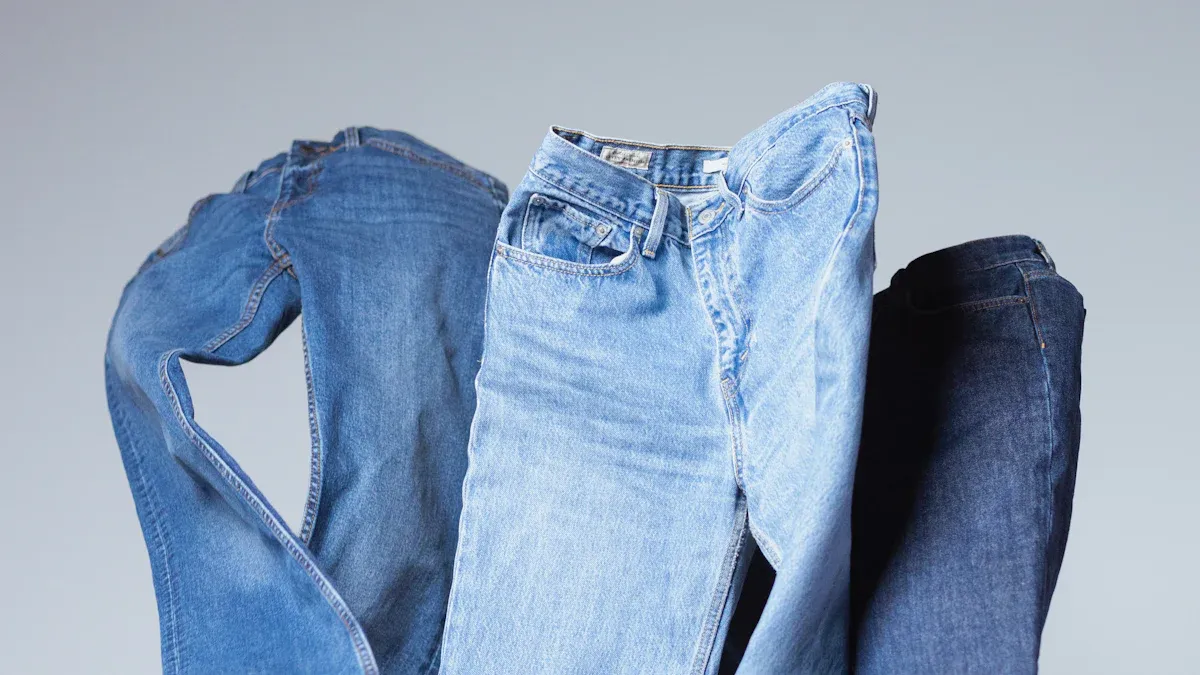
You can keep your jeans looking new by following a few simple washing tips. Most textile experts agree that you should wash them inside out. This step reduces abrasion on the outer surface and helps the color last longer. Always use cold water when you wash jeans. Cold water protects the indigo dye and prevents shrinking. Choose a gentle cycle on your washing machine to reduce stress on the fabric. Wash your jeans less often—every four to six weeks or only when they are visibly dirty. Air-dry your jeans instead of using a dryer. High heat from dryers can damage the fabric and cause more fading.
Here is a quick guide to the most effective washing techniques:
Washing Technique | Explanation |
|---|---|
Turn Jeans Inside Out | Reduces abrasion on the outer surface, minimizing fading by up to 25%. |
Wash in Cold Water | Prevents dye from escaping; cold water users report up to 40% less fading. |
Use Mild Detergent | Gentle on dye, helps lock in color; avoid harsh chemicals that strip pigment. |
Preserves color; recommended to wash every 4-6 weeks or when visibly dirty. |
Tip: Always wash them separately the first few times to prevent dye transfer to other clothes.
Preventing Excessive Fading
You can prevent excessive fading by controlling how you care for your denim. Washing jeans in cold water makes a big difference. Experimental data shows that washing at 30°C or below results in only about 5% color loss, while higher temperatures can cause up to 30% color loss. Turning your jeans inside out before washing also helps protect the outer color. Use a mild detergent and avoid bleach or harsh chemicals. These steps help lock in the indigo dye and keep your jeans looking vibrant.
Controlled studies show that several steps help prevent excessive fading:
Sort your laundry by fabric type and color to avoid uneven washing.
Test your jeans for colorfastness before the first wash.
Maintain proper stitch quality to avoid weak spots.
Use accurate amounts of detergent and chemicals.
Control washing temperature, pH, and time.
Load your washing machine evenly.
Use soft water to prevent mineral stains.
Handle enzymes carefully if used in specialty washes.
Wash dark and light garments separately.
Inspect your jeans for shade consistency after washing.
Hang dry and control drying temperature to prevent shrinkage.
Note: These steps help you keep your denim strong and colorful for a longer time.
Best Practices
Major denim manufacturers recommend a few best practices to help you maintain both color and fabric quality. Wash sparingly—only when your jeans are dirty or start to smell. Always turn them inside out before washing. Wash with like colors to avoid dye transfer. Use cold water and select the gentle or delicate cycle. Choose a mild detergent without bleach or brighteners. Hang dry your jeans whenever possible. If you must use a dryer, use the lowest heat setting and remove the jeans while they are still slightly damp.
Here is a summary of the best practices:
Care Instruction | Why It’s Important |
|---|---|
Wash Sparingly | Every wash affects color and fit. Wash only when necessary. |
Turn Inside Out | Protects color and prevents indigo bleed onto other clothes. |
Wash with Like Colors | Prevents staining of lighter garments. |
Use Cold Water | Reduces color loss and shrinkage. |
Gentle/Delicate Cycle | Minimizes stress on seams and fabric. |
Use Mild Detergent | Prevents uneven color loss. |
Hang Dry | Avoids heat damage, shrinkage, and wrinkles. |
Textile experts and denim brands agree that these steps help you keep your jeans looking new. Expert advice often contrasts with common habits. Many people wash jeans frequently and use hot water, which leads to fading and damage. By following these best practices, you protect your denim and extend its life.
Recent research also shows that indigo dye, whether natural or synthetic, helps protect the cotton fibers in your jeans. Indigo has strong photostability, which means it resists fading from light and washing. This property helps your jeans keep their color over time.
Tip: If you want your jeans to last, always use cold water, wash them inside out, and wash them separately for the first few washes.
Sustainable Care
Eco-Friendly Washing
You can make a big difference by choosing eco-friendly washing methods for your denim. Traditional washing uses a lot of water and energy. It also creates pollution that harms the environment.
Traditional denim washing methods are highly water and energy-intensive, requiring approximately 3,781 liters of water to produce a single pair of jeans. This process contributes to significant pollution, with denim production releasing between 40 and 65 liters of colored wastewater per kilogram, severely impacting local ecosystems. Additionally, the carbon footprint of the textile industry, including denim, is around 1.2 billion tonnes of CO₂ annually, which is greater than that of international aviation and shipping.
You can help reduce this impact by adopting better habits at home. Wash your jeans less often and always use cold water. Choose a gentle cycle and air-dry your denim. These steps save water and energy. Some brands, like MUD Jeans, lead the way in eco-friendly practices. Here are some facts about water and energy savings:
MUD Jeans has a very low water consumption compared to other brands.
82% of total water consumption is attributed to the raw materials supply chain.
75% of water consumption arises from the production of organic cotton.
The environmental footprint of the ‘Dry Spirit’ washing technique is less than 22% of the ‘Whale Blue’ wash.
When you choose sustainable jeans and care for them wisely, you help protect the planet.
Innovations in Denim Care
New technology is changing how you care for denim. Companies now use advanced dyeing and washing methods that use less water and fewer chemicals. These innovations help your jeans last longer and keep their color.
Recent innovations in denim care technology, such as foam dyeing, ozone washing, and laser finishing, have been shown to significantly reduce water usage. Additionally, the adoption of energy-efficient machinery and closed-loop systems contributes to a lower environmental footprint, making these technologies essential for sustainable denim production.
Here are some of the latest advances:
Innovation Type | Description |
|---|---|
Waterless Dyeing | Utilizes supercritical CO2 and foam dyeing technologies to eliminate water usage. |
Hydrogel Treatment | Requires no dilution, minimizing water and energy needs during the washing process. |
Oxygen-rich Baths | Enables dyeing with minimal water, producing vibrant colors with a reduced environmental footprint. |
You benefit from these changes because your denim stays strong and colorful. Modern manufacturing techniques, such as precise dye application, significantly enhance color retention in jeans, ensuring they resist fading better than traditional methods that often waste resources. When you support brands that use these methods, you help reduce pollution and save resources for the future.
You now know that jeans fade mainly because indigo dye sits on the surface of the fibers. This fading happens with wear, washing, and friction. You do not need to worry—fading is a normal part of denim. To keep your jeans looking new, wash them inside out in cold water, use mild detergent, and skip the dryer. Sustainable habits, like washing less often and air drying, help both your jeans and the planet.
Remember: Extending the life of your jeans reduces waste and saves resources.
Quick-Reference Best Practices:
Wash inside out in cold water
Use mild detergent
Air dry, avoid the dryer
Wash only when needed
Fold jeans to keep their shape
Air out or spot clean between washes
FAQ
Why do my jeans fade faster than others?
Jeans fade quickly when you wash them often, use hot water, or expose them to sunlight. Some denim blends lose color faster. You can slow fading by washing less and using cold water.
Can I restore faded jeans to their original color?
You cannot fully restore the original color. You can use fabric dye kits to refresh the shade. Always follow instructions and test on a small area first.
Should I use fabric softener on my jeans?
Avoid fabric softener. It can break down fibers and cause fading. Use a mild detergent instead. Air drying helps keep jeans strong.
How often should I wash my jeans?
Wash your jeans every four to six weeks or when they look dirty. Spot clean stains to keep them fresh between washes.