
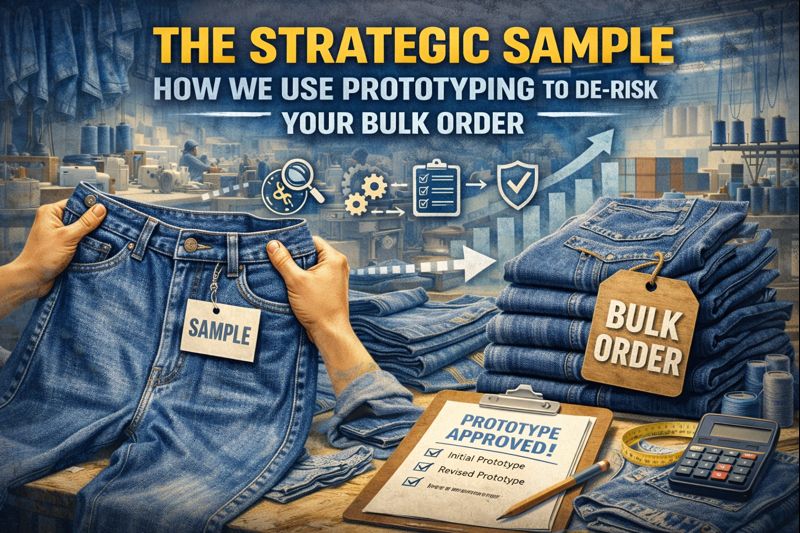
You want your new electronic hardware product to succeed in the market. When you develop and prototype, you can spot design flaws early and improve your product before bulk production. Prototyping lets you test ideas, adjust your design, and see how your product performs in real situations. A strategic sample helps you de-risk innovation by giving you a clear look at quality and performance. Rapid prototyping speeds up development and builds your confidence in each prototype.
Key Takeaways
Prototyping helps you identify design flaws early, saving time and money before bulk production.
Real-world testing builds confidence in your product and aligns it with user needs, enhancing customer loyalty.
Using a strategic sample ensures your product meets quality standards, reducing the risk of costly mistakes.
Rapid prototyping accelerates development cycles, allowing you to bring your product to market faster and more efficiently.
Involving third-party inspections adds trust and ensures your product meets industry standards before shipment.
Prototyping and Risk Reduction
Identifying Issues Early
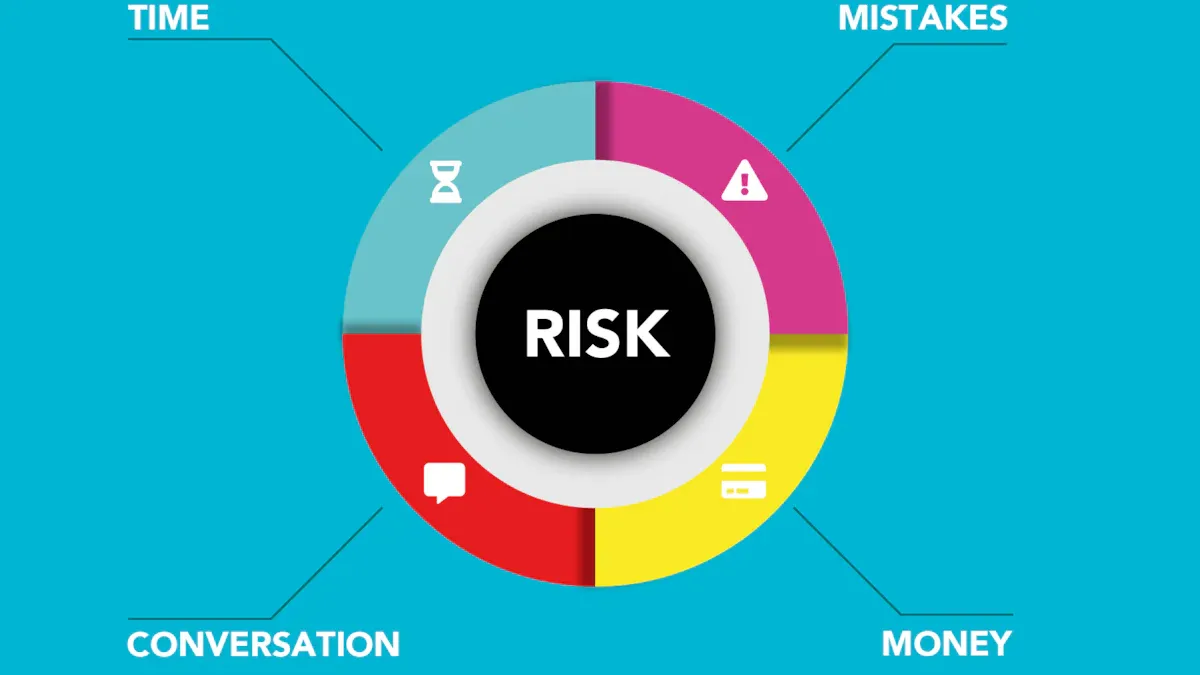
You want to avoid surprises when you move from early-stage r&d to full-scale production of your new electronic hardware product. Prototyping gives you a strategy to spot problems before they become expensive mistakes. When you develop and prototype, you can catch issues that might otherwise go unnoticed until after launch. This proactive risk assessment helps you save time and money.
Here is a table showing the most common issues you can identify during the prototyping phase:
Issue Type | Description |
|---|---|
Environmental Constraints | Your prototype must work in real-world conditions, like different network speeds and device types. |
Collaboration and Alignment Issues | Clear communication and teamwork are key to keeping your project on track. |
Misaligned Goals | Departments need to agree on objectives to avoid roadblocks. |
Poor Planning and Scheduling | Rushed timelines can lead to incomplete testing and missed problems. |
Mismanaging Stakeholder Expectations | Be honest about what your prototype can do to keep trust high. |
Failing to Adapt Prototypes | Update your prototype as you learn from user feedback. |
Neglecting Usability and Accessibility | Make sure your product is easy to use and accessible to everyone. |
Resource Constraints | Plan your resources well to get the most out of your prototyping efforts. |
When you use a strategic sample, you can address these issues early. This strategy lets you gather feedback, adjust your design, and avoid costly production failures. By focusing on proactive risk assessment, you build a strong foundation for your product.
Real-World Testing for Confidence
Testing your prototype in real-world situations gives you confidence in your final product. You can use each round of testing to fine-tune your design and make sure it meets user needs. Real-world feedback helps you turn potential complaints into customer loyalty, which gives you a competitive edge.
Real-world testing lets you:
Improve your product step by step.
Align your design with what users want.
Catch problems early, which is much cheaper than fixing them after launch.
Companies that use this strategy often see big benefits:
Development costs can drop by 33%.
Collaboration time can shrink by 25%.
Products can reach the market 50% faster.
Customer loyalty can jump by 240%.
Skipping this step can lead to poor product-market fit, low engagement, and high redesign costs. When you develop and prototype with a strategic sample, you reduce risk and set your new electronic hardware product up for success.
Proof of Concept and Decision Making
A proof of concept, or poc, is a key part of your r&d strategy. You use a poc to test if your idea works before you invest in full production. This step saves resources and helps you avoid making big commitments too soon.
A poc lets you:
Check if technical features, like API connections or data analysis, work as planned.
Spot problems early and make informed decisions.
When you use a poc, you give investors and partners solid evidence that your product can succeed. This builds trust and supports your strategic partnership goals. In early-stage r&d, a poc helps you validate your design and strategy, giving you a competitive edge in the market.
By making prototyping and poc a core part of your strategy, you turn potential bottlenecks into streamlined processes. You reduce risk, improve your product, and create a strong foundation for your strategic partnership. This approach helps you move from r&d to bulk production with confidence.
Strategic Sample Essentials
What Is a Strategic Sample?
A strategic sample is more than just a test unit. You use it to check if your new electronic hardware product meets your expectations before you commit to a large order. This sample lets you see how your product looks, feels, and works in real life. You can test the prototype for fit, function, and finish. By using a strategic sample, you make sure your product matches your design and technical requirements. This step helps you avoid surprises and gives you confidence in your decisions.
Strategic Sample vs. Standard Sample
You might wonder how a strategic sample differs from a standard sample. A standard sample often shows only the basic features of a product. It may not include all the details or final materials. In contrast, a strategic sample follows a clear process:
You create a design and tech pack with all details for your new electronic hardware product.
The manufacturer builds a prototype based on your tech pack.
You review the prototype and give feedback.
The manufacturer makes changes and sends a fit sample for you to check size and usability.
Once you approve, the manufacturer creates a pre-production sample for final review.
This process ensures your product meets your standards at every stage. You can spot issues early and make changes before bulk production starts.
Quality Assurance Through Sampling
Quality matters for every new electronic hardware product. You want to deliver a product that works well and lasts. Sampling helps you reach this goal. Manufacturers use several methods to check quality:
Random sampling: Inspectors pick products from the batch to check for defects.
AQL (Acceptable Quality Level): This method sets the maximum number of defects allowed.
100% inspection: Every product in the lot is checked, often for critical items.
Third-party inspections: Independent companies review your product to confirm quality.
Tip: Always ask for third-party inspection before shipment. This step adds trust and helps you meet industry standards.
By using a strategic sample and these quality checks, you protect your investment and deliver a reliable product to your customers.
Prototyping Process Steps
Design and Specification
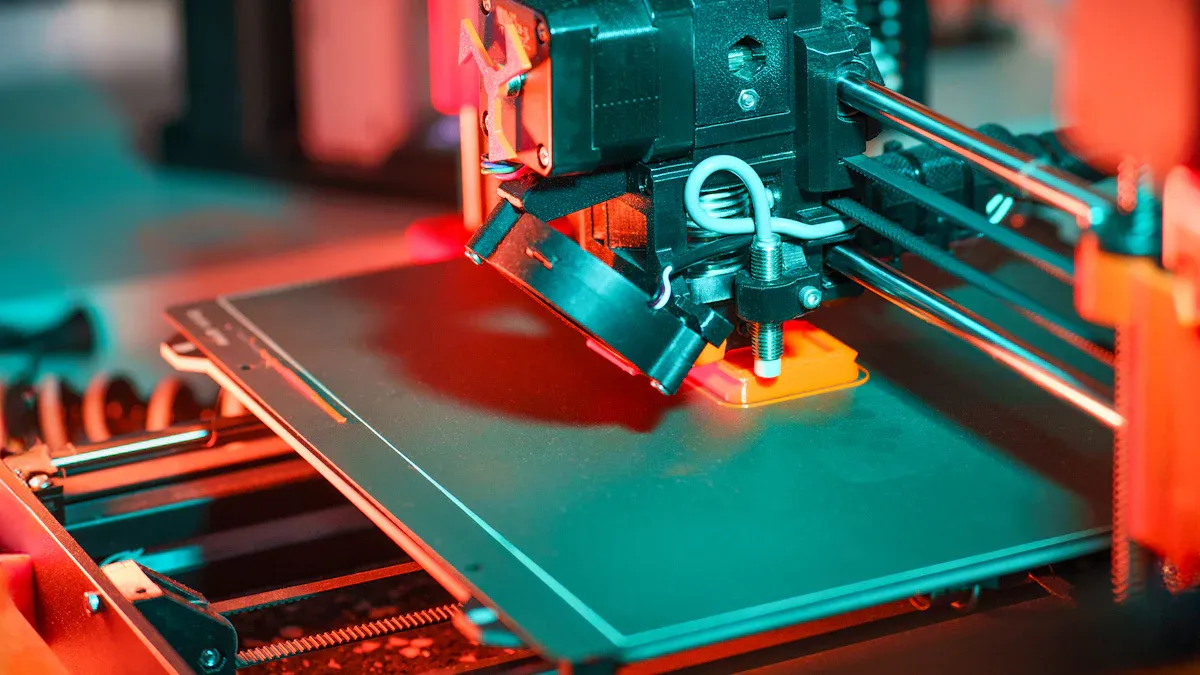
You start the prototyping journey with clear design and specification. This step shapes your product’s purpose and features. You use engineering drawings and 3d printing models to visualize your ideas. Early design validation helps you catch flaws before they become expensive. The table below shows how your choices at this stage influence the final outcome:
Evidence Type | Description |
|---|---|
Prototype testing uncovers design flaws early, saving costs and improving user experience. | |
Iterative Testing | Each round of testing confirms your design is ready for production and market launch. |
Alignment with Market Demands | Prototyping ensures your product matches what users want, building loyalty. |
You develop and prototype with accuracy, using engineering software and 3d printing to create digital and physical models. This step sets the foundation for the rest of the process.
Material Selection
Material selection is critical for both prototyping and production. You compare options using a requirements matrix, which helps you weigh strength, cost, and manufacturability. Early testing with 3d printing lets you see how different materials perform. For example:
A furniture maker found that cheap plywood splintered, but a bamboo-aluminum hybrid worked well.
An automotive supplier switched from polypropylene to glass-reinforced ABS for better shape retention.
You use engineering knowledge to ensure your prototype parts will scale for bulk production. Testing materials early prevents costly mistakes later.
Prototype Production
You move to prototype production once you finalize your design and materials. You use 3d printing, CNC machining, and other engineering methods to create prototype parts. This stage often reveals new challenges:
Supplier capacity may limit how many prototype parts you can make.
Custom tooling for production takes time and money.
Engineering changes during prototyping can disrupt production schedules.
Quality assurance becomes more complex as you prepare for mass production.
Pricing for prototype parts is higher, but costs drop as you scale up.
You develop and prototype with a focus on engineering precision, ensuring each prototype part meets your standards before moving to full production.
Testing and Iteration
Testing and iteration drive the iterative prototyping process. You perform functional testing on each prototype part, checking usability, durability, and safety. You gather feedback from users and your engineering team. Each round of functional testing leads to improvements.
Increased efficiency: You reach your goals faster through trial and error.
Increased collaboration: Your team works together to solve problems.
Increased adaptability: You adjust quickly based on new findings.
More cost effective: Changes require less time and money.
Reduced risk: You catch problems before production.
You use 3d printing to quickly produce new prototype parts for each round of functional testing. This approach supports design validation and ensures your engineering team delivers a product ready for production.
Rapid Prototyping Benefits
Cost and Time Savings
You want to save time and money when you bring a new product to market. Prototyping helps you do this by letting you test your design early and often. Rapid prototyping can cut development time by up to 90%. Many projects finish in just 3–4 weeks instead of the usual 6–8 months. This speed changes how you plan your supply chain and manage your resources. You can spot problems with your product or supply chain before they become expensive. When you use prototyping, you avoid costly mistakes and keep your supply chain running smoothly.
Organizations report:
Projects complete in 3–4 weeks versus 6–8 months
6× faster delivery speeds
The main cost difference between a prototype and full production comes from high Non-Recurring Engineering fees. As you move to mass production, these costs spread out over thousands of units. Your per-part price drops as your supply chain scales up.
Accelerating Time to Market
Prototyping lets you move quickly from idea to finished product. You can test your design, gather feedback, and make changes fast. This process gives you a big advantage in a competitive market. Early testing and validation lower your risk of failure. You get faster feedback from real users, which helps you improve your product. Lower development costs and fewer design errors mean your supply chain stays efficient.
Benefits include:
Faster feedback loops
Lower development costs
Greater investor confidence
You can show a working prototype to investors and partners, which builds trust and helps with supply chain optimization.
Lowering Risk and Improving Quality
Prototyping helps you lower risk and improve quality at every stage. You use data-driven methods to choose the right materials and avoid common mistakes. About 30% of prototype failures come from material issues. By using historical data and predictive modeling, you make better choices for your product and supply chain.
“A prototype asks a question and facilitates rapid (in)validation of hypotheses with the goal of significantly de-risking technical, market and business decisions/opportunities.”
You validate your design, test your product, and refine your supply chain. This approach leads to better quality and a stronger product in the market.
Success Stories with Prototyping
Avoiding Design Flaws
You can prevent expensive mistakes by using prototyping early in your process. When you build a prototype, you see how your product works in real life. This step helps you spot design flaws before you move to mass production. You can test different features and gather feedback from your team. If you find a problem, you can fix it quickly. This approach saves you time and money. You avoid making changes after you have already invested in tooling and materials.
Prototyping gives you a clear view of your product’s strengths and weaknesses. You can make smart decisions before you commit to a large order.
Material Improvements
You can improve your product by testing different materials during prototyping. Early testing lets you compare options for strength, cost, and manufacturability. You might find that one material works better than another. For example, you could switch from a basic plastic to a stronger composite. This change can make your product last longer and perform better.
Prototyping helps you:
Detect design flaws early.
Test how easy it is to manufacture your product.
Find and fix bottlenecks before production.
Make cost-effective changes based on feedback.
Communicate clearly with your team using real samples.
When you use prototyping for material selection, you avoid costly mistakes and improve your final product.
Entrepreneur Innovation
You can use prototyping to turn your ideas into real products. Many entrepreneurs start with a simple prototype to test their concepts. You can show your prototype to investors or customers and get valuable feedback. This process helps you validate market demand and make smart choices about production and marketing. Testing your ideas with a prototype gives you the confidence to move forward.
You can use prototyping to build trust with partners and make informed decisions about your business.
You can use a prototype to test your product early and reduce risk before bulk production. This approach helps you ensure quality and avoid costly mistakes. Key benefits include:
Faster development cycles and lower costs
Improved market confidence through real-world testing
Better team collaboration and decision-making
Benefit | Explanation |
|---|---|
Cost Savings | Early testing prevents expensive changes later. |
Faster Development | Rapid prototyping speeds up the process. |
Market Confidence | User feedback builds trust in your product. |
Consider reaching out for expert guidance or a sample request to start your journey.
FAQ
What is the main purpose of a strategic sample?
You use a strategic sample to check if your product meets design and quality standards before you order in bulk. This step helps you avoid costly mistakes and ensures your product works as planned.
How does prototyping help reduce risk?
You test your product with a prototype to find problems early. This process lets you fix issues before mass production starts. You save money and improve your product’s reliability.
Can you change materials after testing a sample?
You can change materials if your sample shows weaknesses or fails tests. Early testing helps you pick the best option for strength, cost, and performance. You make smart choices before you commit to bulk orders.
Why should you request third-party inspection?
You request third-party inspection to confirm your product meets industry standards. Independent checks add trust and help you catch defects before shipping. This step protects your reputation and investment.
How fast can you get a prototype made?
You can get a prototype made in just a few weeks. Rapid prototyping speeds up development and lets you test ideas quickly. This approach helps you launch your product faster.